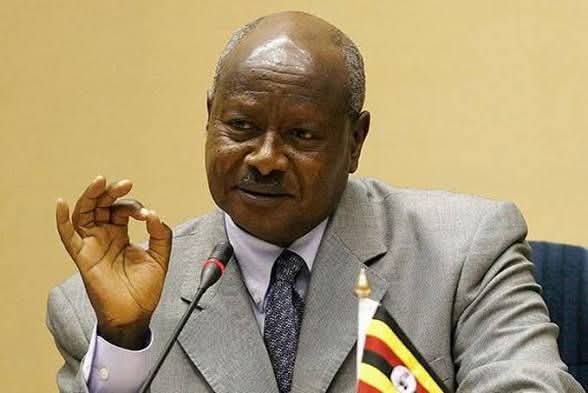
President Yoweri Museveni has ignited a storm of criticism after bluntly telling citizens struggling with soaring fuel prices to “stay at home” if they cannot afford to run their vehicles — a statement many are calling out of touch with the daily realities of ordinary Ugandans.
Speaking at the “Africa We Build” conference in Nairobi, Kenya, Museveni dismissed concerns over rising petrol and diesel costs, arguing that much of the fuel is used for non-essential activities such as leisure trips and drinking.
“Where are you going?” Museveni asked rhetorically. “If you don’t have money for fuel, stay at home.”
The remarks have triggered widespread backlash, with critics accusing the long-serving leader of trivializing the economic hardships facing millions. For many Ugandans, fuel is not a luxury—it is a lifeline that powers transport, trade, agriculture, and daily survival in a struggling economy.
A Disconnect with Reality?
Analysts say Museveni’s comments reveal a growing disconnect between leadership and citizens. In a country where public transport costs are directly tied to fuel prices, any increase quickly ripples through the economy—driving up food prices, business costs, and the overall cost of living.
“Fuel is not just about driving to entertainment places,” one economic observer noted. “It affects everything—from the price of maize flour to school transport for children.”
Yet Museveni appeared more concerned about aviation fuel shortages, warning that disruptions in jet fuel supply threaten tourism and international trade. While that concern is valid, critics argue it ignores the immediate pain felt by ordinary citizens grappling with daily expenses.
On social media and in public discourse, frustration is mounting. Many Ugandans say the president’s remarks are insensitive at a time when households are already under pressure from inflation, unemployment, and stagnant incomes.
“This is not leadership—it’s dismissal,” one commentator wrote online. “People are not driving for fun. They are trying to survive.”
Leadership on Trial
Museveni, one of Africa’s longest-serving leaders, has often positioned himself as a stabilizing force in the region. But statements like these risk eroding public trust and fueling perceptions that the government is increasingly detached from the struggles of its people.
As fuel prices continue to bite across East Africa, the debate is no longer just about energy costs—it is about empathy, accountability, and whether those in power truly understand the weight carried by ordinary citizens.
For now, Museveni’s words continue to echo—loud, controversial, and deeply polarizing.