
 Suleman Chitera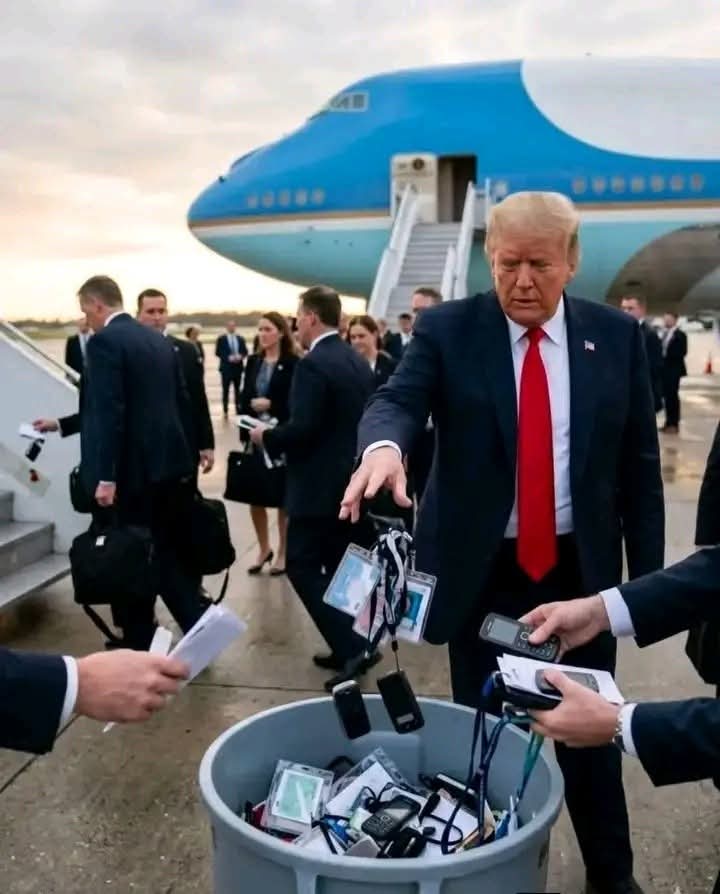
By Suleman Chitera
Trump’s Delegation Reportedly Rejects Chinese Gifts Amid Espionage Concerns
See also Iran Rejects Trump Threats, Vows to Defend Country
Reports emerging from diplomatic circles suggest that a delegation linked to reportedly refused to take home or use gifts presented by Chinese authorities during a visit to for high-level discussions on trade and bilateral relations.
See also Does Israel “Hate Arabs”?
The move, described by some insiders as “unusual but precautionary,” is believed to have been driven by heightened fears of surveillance, cyber-espionage, and hidden data extraction technologies embedded in modern electronic devices.
Security Over Courtesy: Why the Gifts Were Left Behind
According to reports circulating in diplomatic and security circles, the Chinese delegation offered a range of items commonly exchanged in state visits. These allegedly included smartphones, audio recording devices, and advanced communication gadgets.
See also Trump Expresses Disappointment in Putin Over Ukraine War Stance
However, Trump’s security team is said to have raised immediate concerns that such devices could be pre-installed with tracking software or surveillance mechanisms capable of monitoring conversations and movements.
As a result, the delegation reportedly made the strict decision to leave all items behind rather than risk potential intelligence compromise.
Rising Fear of Technological Espionage
The incident highlights growing global anxiety over digital surveillance and state-sponsored intelligence gathering. In recent years, concerns have intensified over whether everyday communication devices could be weaponized for espionage.
See also Iran imposes new rules for Strait of Hormuz in bid to secure wartime gains
Security experts argue that even standard-looking devices can be modified to collect sensitive data, particularly during high-stakes diplomatic engagements involving trade negotiations, military strategy, or political alignment.
Diplomatic Reactions: Trust Deficit Between Superpowers
While some observers view the decision as a necessary security protocol, others interpret it as a symbolic sign of deep mistrust between the United States and China.
Relations between and China have long been strained over issues including trade tariffs, technology competition, cybersecurity accusations, and geopolitical influence in global markets.
See also Russia, China, France Block Arab Push for Military Action Against Iran Over Strait of Hormuz
This latest incident—whether fully confirmed or not—adds another layer of tension to an already fragile diplomatic relationship.
What This Means Going Forward
If such security-driven refusals become more common in international diplomacy, experts warn it could reshape how world leaders interact during state visits. Traditional gift exchanges, once considered symbolic gestures of goodwill, may increasingly be subjected to strict intelligence screening or outright rejection.Iran Threatens U.S. Forces in Strait of Hormuz as Trump Orders Military Escort for Blocked Oil Tankers
For now, the alleged incident underscores one central reality: in the modern geopolitical arena, even gifts are no longer just gifts—they are potential security risks.Iran Draws a Red Line as Trump’s Rhetoric Fuels Tensions