
 Suleman Chitera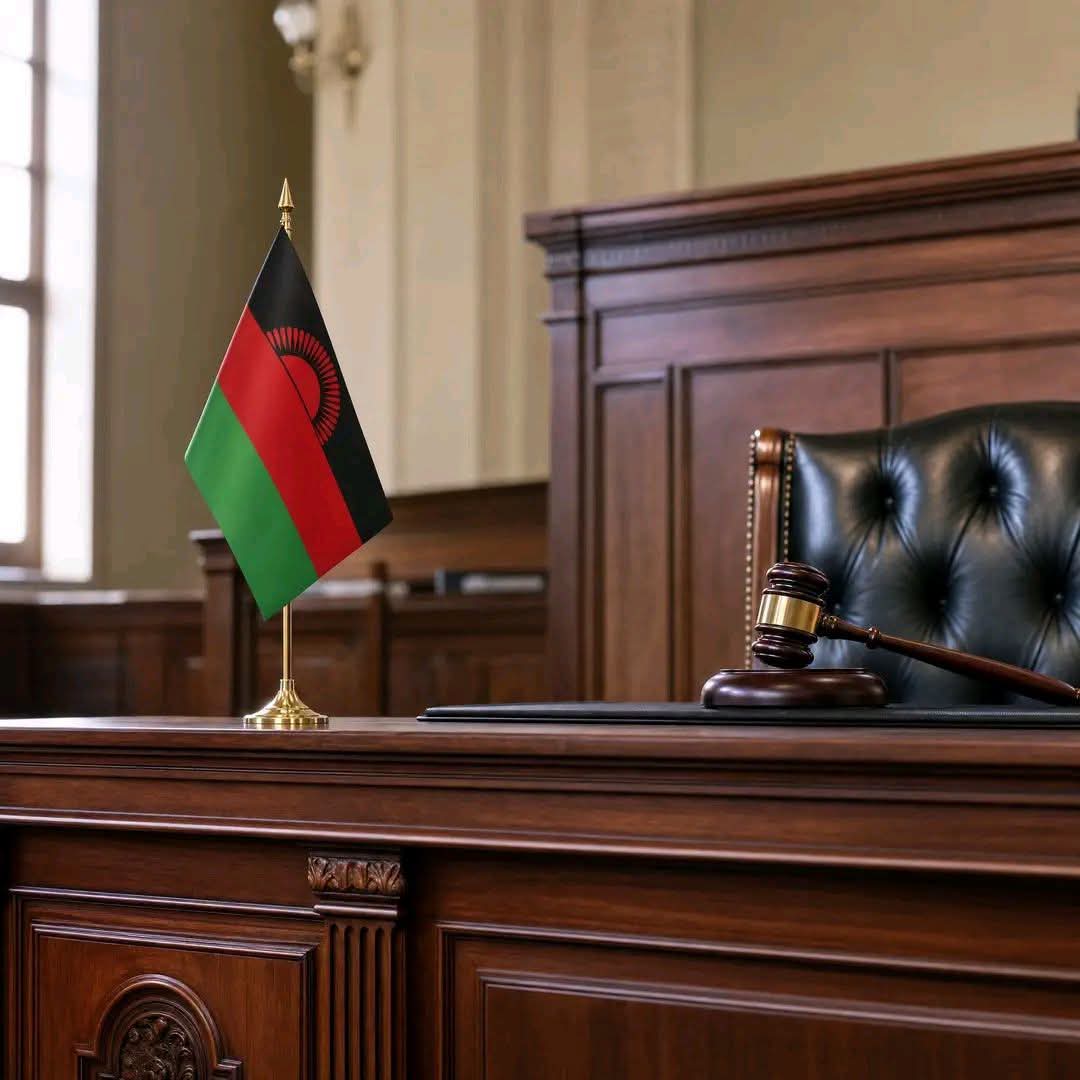
By Suleman Chitera
The High Court’s decision to stop the relocation of the Malawi Electoral Commission (MEC) from Lilongwe to Blantyre is more than a dispute over office space. It is a significant constitutional and governance battle that could define the limits of presidential authority and the independence of key state institutions.Justice on Trial: Malawi’s Judiciary Under Fire
Judge Kenyatta Nyirenda’s injunction temporarily blocks the implementation of President Peter Mutharika’s October 2025 Executive Order directing MEC to move its headquarters to Blantyre. While the substantive case is yet to be heard, the ruling signals that the court believes the issues raised deserve serious legal examination.
Why MEC Matters
Unlike many government departments, MEC occupies a unique position in Malawi’s democratic framework. It is the institution responsible for managing elections, voter registration, and safeguarding the integrity of the electoral process.
Because of this constitutional mandate, any decision affecting MEC’s operations is likely to attract heightened public scrutiny. Critics of the relocation have argued that moving the commission could affect its independence or create perceptions of political influence, especially as the country approaches future electoral cycles.Corruption Cannot End If The Judiciary Remains Rotten
Supporters of the relocation, however, maintain that government has the authority to determine where public institutions should be based and that decentralisation can stimulate economic activity outside the capital city.
The Bigger Constitutional Question
At the heart of the case lies a fundamental question: How far can executive power extend when dealing with independent constitutional bodies?
The applicants and the Malawi Congress Party (MCP) appear to be challenging not only the relocation itself but also the legal process used to make the decision. The Judicial Review and Constitutional Review proceedings will likely examine whether proper constitutional procedures were followed and whether the Executive Order infringes on institutional independence.A Judiciary Under Fire: Malawians Question Court Rulings and the Future of National Justice
The outcome could establish an important legal precedent for future administrations.
Political Implications
The ruling is also politically significant.
For the opposition MCP, the injunction represents an early victory in challenging one of the government’s major administrative decisions. It allows the party to frame itself as a defender of constitutional governance and institutional independence.
For the government, the court order creates a temporary obstacle to its decentralisation agenda. If the courts ultimately rule against the relocation, it could limit the executive’s ability to unilaterally move independent institutions in the future.
Impact on Other Planned Relocations
The Executive Order also envisioned the relocation of other institutions, including MACRA and the Malawi Housing Corporation (MHC).
Although the injunction specifically focuses on MEC, legal experts will be closely watching whether the court’s reasoning could have implications for other planned relocations. A final judgment that restricts executive authority in this matter could influence how future government restructuring initiatives are designed and implemented.Judiciary That Punishes the Poor, Saves the Rich
Public Confidence and Electoral Integrity
Perhaps the most important issue is public confidence.
Electoral management bodies derive much of their legitimacy from public trust. Any controversy surrounding their independence can have consequences that extend far beyond administrative decisions.
By granting the injunction, the court has effectively preserved the status quo while constitutional questions are examined. This approach may help reassure stakeholders that changes affecting electoral institutions will be subjected to legal scrutiny before being implemented.Why the Judiciary Never Changes – and Why Malawi Is Paying the Price
What Happens Next?
The injunction is not a final victory for either side. It merely pauses the relocation while the court considers the substantive legal arguments.
The upcoming hearings will determine whether President Mutharika’s Executive Order complies with constitutional principles and administrative law requirements. The final ruling could become one of the most consequential decisions on executive authority and institutional independence in recent years.Judiciary vs Reform: How Courtroom Decisions Are Undermining Malawi’s Promise to the Poor
For now, MEC remains in Lilongwe, but the larger battle is no longer about geography. It is about constitutional boundaries, democratic institutions, and the balance of power within Malawi’s governance system.