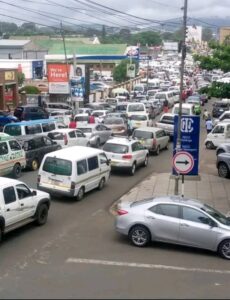
LILONGWE, Malawi — The Centre for Democracy and Economic Development Initiatives (CDEDI) has described the latest fuel price reduction announced by the Malawi Energy Regulatory Authority (MERA) as inadequate to address the severe economic challenges facing Malawians.CDEDI Says Former President Chakwera Does Not Deserve Retirement Benefits
Speaking in response to the revised fuel prices, CDEDI Executive Director Sylvester Namiwa said the reduction was insignificant considering the sharp increases that motorists and consumers have endured over the past few months.
According to Namiwa, fuel prices rose by an average of 75 percent within a three-month period, making the latest downward adjustment too small to provide meaningful relief to households and businesses already struggling with the rising cost of living.
“The reduction does not reflect the economic realities that Malawians are facing. Fuel is a key driver of transport costs, food prices, and the overall cost of doing business. A minor adjustment after such substantial increases cannot significantly improve people’s livelihoods,” said Namiwa.CDEDI Turns Up Pressure on Road Fund Over Toll Money Transparency
He argued that fuel pump prices should be ranging between K4,500 and K5,000 per litre, a level he believes would be more reasonable and responsive to prevailing market conditions.
Namiwa further called on authorities to review and reduce various charges that contribute to high fuel costs. Among the measures he proposed are cuts to the Road Levy and the Malawi Rural Electrification Programme (MAREP) levy, as well as the removal of the K350 fuel under-recovery charge currently included in fuel pricing.
The CDEDI executive director warned that continued high fuel prices are worsening inflationary pressures, increasing transport fares, and pushing the prices of essential goods beyond the reach of many citizens.
“The burden of high fuel costs is ultimately passed on to consumers. This affects food security, access to services, and the overall welfare of ordinary Malawians,” he said.
The latest fuel price review by MERA came amid growing public concern over the rising cost of living and persistent economic difficulties, including foreign exchange shortages and increasing prices of basic commodities.
However, MERA has yet to respond publicly to CDEDI’s calls for further reductions in fuel prices and related levies.Namiwa Calls for Unity and Action
As debate over fuel pricing continues, economic observers say the issue remains critical to Malawi’s broader efforts to manage inflation, stabilize the economy, and protect vulnerable households from escalating living costs.