LILONGWE – Malawi has registered notable progress in reducing poverty, with the national poverty rate declining from 50.7 percent to 47.3 percent, according to findings from the Sixth Integrated Household Survey (IHS6) released by the National Statistical Office (NSO).
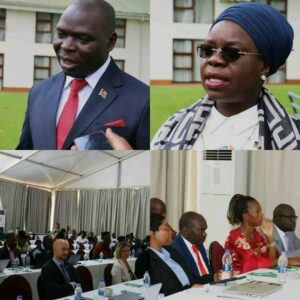
The findings were unveiled on Friday at the Bingu International Convention Centre (BICC) in Lilongwe, where government officials, development partners and stakeholders gathered to review the country’s latest socio-economic indicators.
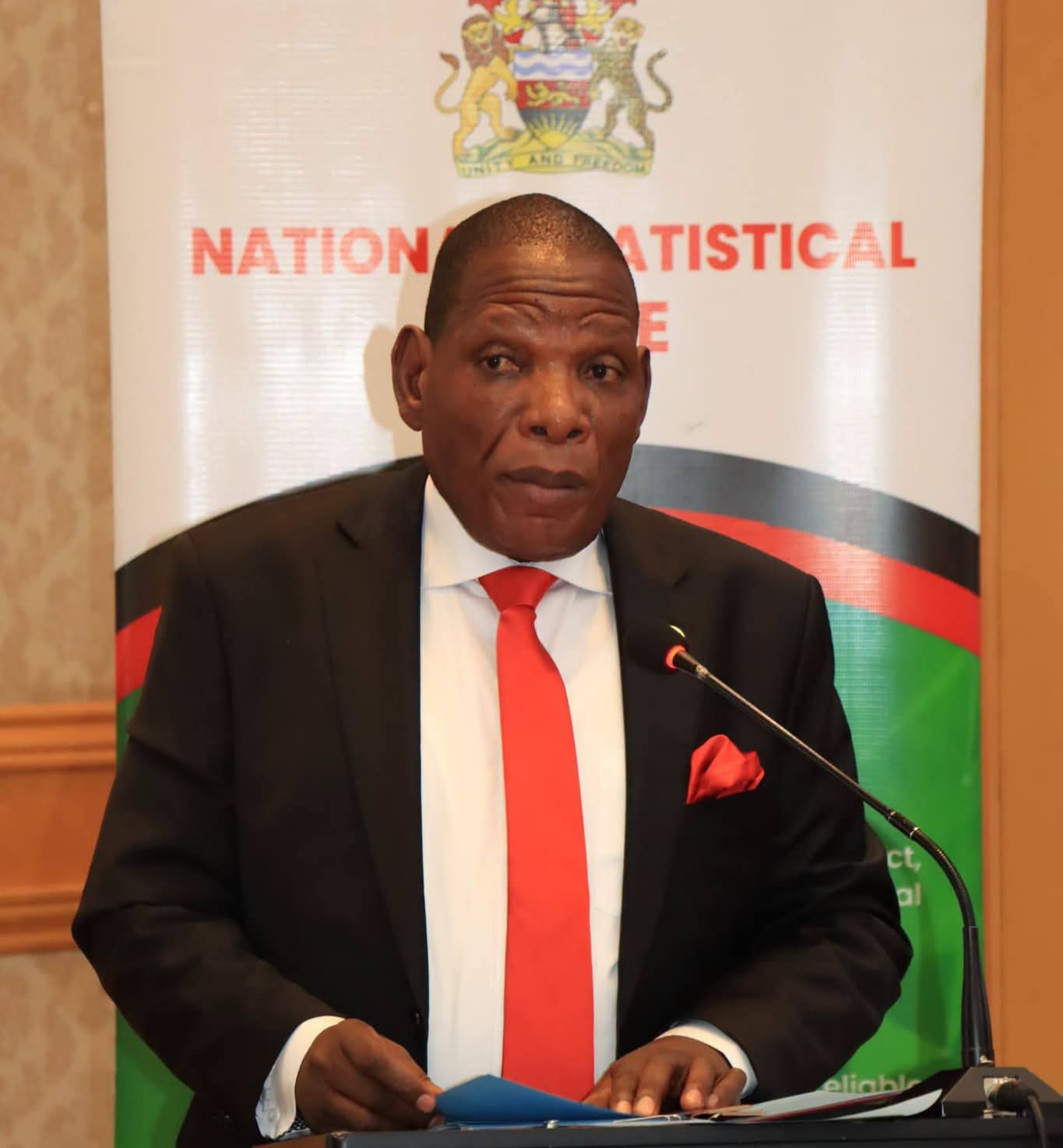
NSO Commissioner Shelton Kanyanda described the results as a significant achievement in Malawi’s ongoing efforts to improve the living standards of its citizens and strengthen inclusive development.IMF Says Malawi’s Economy Is Improving
“The survey demonstrates that Malawi is making steady progress in addressing poverty and improving household welfare,” said Kanyanda.
Minister of Finance, Economic Planning and Decentralisation Joseph Mwanamvekha hailed the survey as a vital instrument for guiding national development, emphasizing the importance of evidence-based policy formulation.
“The data generated through the IHS6 enables us to better understand the welfare conditions of our people, the challenges they face and the opportunities available to improve their livelihoods,” Mwanamvekha said.
The survey highlights improvements in several key areas, including health services, sanitation, access to electricity and food security. These gains reflect the impact of government programmes and support from development partners aimed at enhancing socio-economic resilience among Malawians.IMF Team Concludes Malawi Visit, Advances Talks on Economic Recovery Support
World Bank Economist and Task Team Leader for the Statistics Capacity Building Project, Lina Cardona, welcomed the findings, describing them as encouraging signs of progress while stressing the need for continued investment in poverty reduction initiatives.
The IHS6 serves as one of Malawi’s most comprehensive sources of socio-economic data, providing critical information on poverty, employment, education, health, housing and household welfare. The report is expected to play a central role in shaping future policies and development interventions.
The latest findings also support the aspirations of the Malawi 2063 agenda, which seeks to transform the nation from a predominantly consuming economy into a wealth-creating and self-reliant economy driven by inclusive growth and sustainable development.Malawi, IMF to Begin Extended Credit Facility Talks in June
As Malawi continues its development journey, the survey provides renewed optimism that targeted policies, strategic investments and strong partnerships can further accelerate progress towards improved livelihoods and shared prosperity for all citizens.