
 Suleman Chitera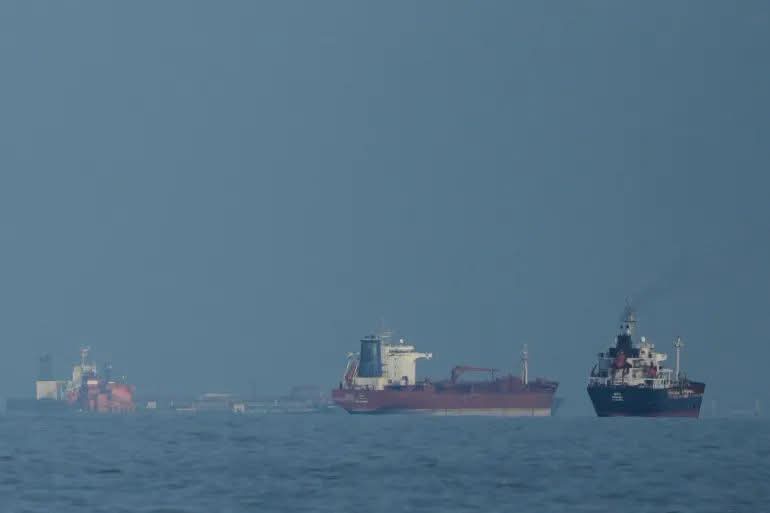
By Suleman Chitera
Iran Warns Vessels Against Passing Through Strategic Waterway
Fresh tensions in the Middle East have raised fears of a new global energy crisis after Iran’s military reportedly warned that any vessel attempting to pass through the Strait of Hormuz could face military action.
The warning has sparked concerns among global markets, shipping companies, and governments worldwide, as the Strait of Hormuz remains one of the most important maritime routes for the transportation of oil, natural gas, and other essential commodities.
The latest developments come just days after hopes emerged that shipping traffic through the strait would normalize, contributing to a gradual decline in fuel prices across several countries.
Why the Strait of Hormuz Matters to the World
The Strait of Hormuz is a narrow waterway connecting the Persian Gulf to the Gulf of Oman and the Arabian Sea. It serves as the primary route for nearly one-fifth of the world’s oil supply.
Every day, millions of barrels of crude oil and petroleum products pass through the strait from major producers such as Saudi Arabia, the United Arab Emirates, Kuwait, Iraq, and Iran.
Any disruption to this route immediately affects global energy markets, shipping costs, and fuel prices.Malawi Needs K24 Billion to Repatriate 15,000 Citizens Stranded in South Africa
Experts warn that a prolonged closure could trigger:
- Sharp increases in global oil prices
- Rising transportation costs
- Higher food prices
- Increased fertilizer costs
- Supply chain disruptions
- Economic uncertainty worldwide
Iran Links Threat to Ongoing Regional Conflict
Iranian military officials say the warning is linked to Israel’s continued military operations in Lebanon.
The latest reports indicate that dozens of people were killed during Israeli military actions overnight, further escalating tensions across the region.
Analysts say the conflict has increasingly drawn in regional powers, creating fears that a wider Middle East confrontation could emerge.
The situation has also raised concerns among international observers who worry that attacks on shipping routes could destabilize global trade.
Impact on Global Fuel Prices
The reopening of shipping lanes through the Strait of Hormuz in recent days had helped ease market concerns and contributed to declining fuel prices in several countries.
However, renewed threats against commercial vessels could reverse those gains.Breaking: Gunfire Reported Near White House as Trump Inside During Iran Talks
Oil traders are closely monitoring developments, as any interruption in supply often causes immediate spikes in crude oil prices.
Historically, geopolitical tensions involving the Strait of Hormuz have led to significant market volatility.
If shipping companies decide the route is too dangerous, oil exports could slow dramatically, creating shortages and pushing fuel costs higher worldwide.
What It Means for Malawi and Other Developing Nations
Countries that rely heavily on imported fuel, including Malawi, could face serious economic consequences if the situation worsens.
Potential impacts include:
Increased Fuel Prices
Higher global oil prices often translate into increased pump prices, affecting motorists, businesses, and public transport operators.
Rising Cost of Goods
Transportation costs influence the prices of food, construction materials, and consumer products. Any increase in fuel costs can quickly spread throughout the economy.
Pressure on Farmers
Fertilizer prices are closely linked to energy markets. Disruptions in global supply chains could make agricultural inputs more expensive for farmers.
Inflation Risks
Rising fuel and commodity prices could increase inflation, reducing purchasing power for households already struggling with the cost of living.
Iran and United States Peace Negotiations Continue
Despite the latest threats, diplomatic efforts remain underway.Iran war live: US strikes Iranian site; Kuwait targeted by missiles, drones
Iran and the United States are reportedly engaged in negotiations aimed at reducing tensions and preventing further escalation in the region.
Among the issues under discussion is the safe reopening of the Strait of Hormuz to commercial shipping.
International observers believe a successful agreement could help stabilize energy markets and reduce the risk of a wider conflict.
However, uncertainty remains high as military developments continue to unfold.
Global Markets Watching Closely
Financial markets, shipping companies, and governments are monitoring the situation with growing concern.
The Strait of Hormuz has long been considered one of the world’s most important strategic chokepoints, and any threat to its security carries implications far beyond the Middle East.Iran Threatens U.S. Forces in Strait of Hormuz as Trump Orders Military Escort for Blocked Oil Tankers
With global economies still recovering from recent inflationary pressures, a prolonged disruption could have far-reaching consequences for consumers and businesses worldwide.
Conclusion
Iran’s latest warning regarding the Strait of Hormuz has reignited fears of a global energy shock at a time when international markets were beginning to stabilize. As tensions between Iran, Israel, and regional actors continue to rise, the future of one of the world’s most critical shipping routes remains uncertain.
For countries dependent on imported fuel and essential commodities, including Malawi, developments in the Strait of Hormuz will remain a key factor influencing fuel prices, inflation, and economic stability in the months ahead.
Read also: Minister Of Transport Beamons Reckless Driving On The Roads Of Malawi
Read also: Late Mtumodzi laid to rest in Dowa
Read also: Toyota Land Cruiser Dangling as Newly Built Kamilang’ombe Bridge Collapses in Chitipa