 Suleman Chitera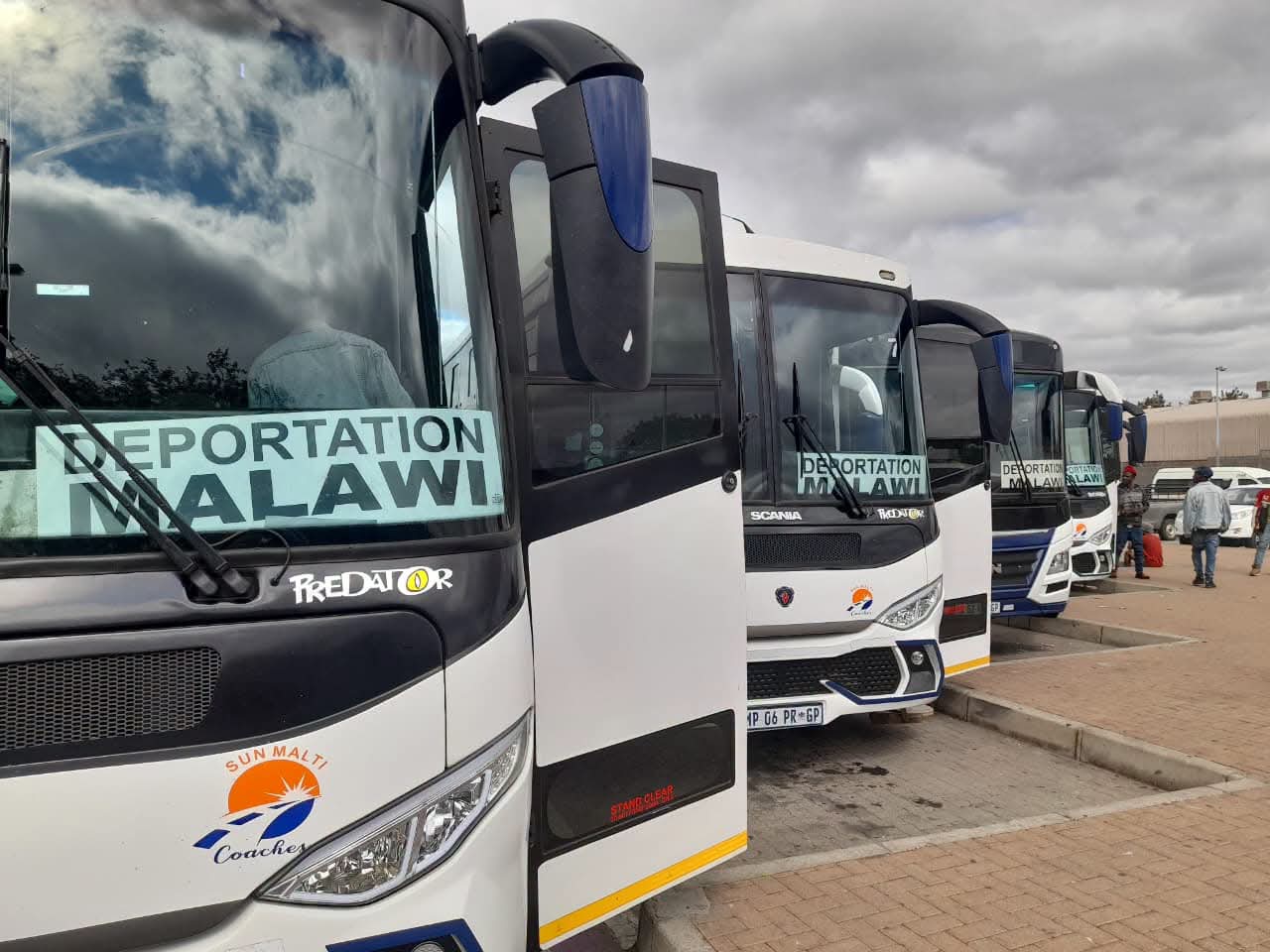
By Suleman Chitera
Thousands of Malawians are racing against time to return home from South Africa as fears mount over planned anti-immigrant demonstrations scheduled for June 30.
The looming deadline, announced by anti-immigration groups in South Africa targeting undocumented foreign nationals, has triggered one of the largest voluntary repatriation exercises involving Malawian citizens in recent years. The situation has left thousands stranded in temporary camps while the Malawi Government works to transport them home.
Thousands Await Transport
The Malawi Government, through the Department of Disaster Management Affairs (Dodma), has been coordinating the return of citizens seeking assistance.
According to Dodma, more than 3,000 Malawians had already been repatriated by the end of last week, with additional buses continuing to ferry returnees from South Africa. However, officials have acknowledged that it may not be possible to bring everyone home before the June 30 deadline.Hundreds of Undocumented Malawians Face Deportation as Buses Arrive at Beitbridge Border Post
Earlier government estimates suggested around 15,000 Malawians wanted assistance, although more recent reports indicate the number seeking to return could be considerably higher.
Why Are Malawians Returning?
The repatriation exercise follows weeks of growing anti-immigrant sentiment in parts of South Africa.
Citizen groups have demanded that undocumented foreign nationals leave the country before June 30, arguing that illegal immigration contributes to unemployment, crime and pressure on public services. While South African authorities have condemned vigilantism and xenophobic attacks, many migrants fear violence similar to previous outbreaks witnessed in 2008 and later years.
In recent weeks, reports of intimidation, forced evictions and attacks have prompted thousands of foreign nationals—including Malawians, Zimbabweans and Mozambicans—to seek voluntary repatriation.
What Returnees Should Expect
Upon arrival in Malawi, returnees are expected to undergo registration and receive temporary humanitarian assistance coordinated by government agencies and humanitarian partners.South Africa Weighs Plan to Bill Foreign Governments for Deportation Costs Amid Tighter Immigration Stance
Support generally includes:
- Registration and identity verification.
- Temporary shelter and reception services.
- Food, water and basic medical assistance.
- Transport to home districts where possible.
- Assessment for further humanitarian support.
Authorities have shifted reception operations closer to the Mwanza border to improve logistics as buses continue arriving from South Africa.
Challenges Remain
Despite the ongoing operation, significant challenges remain.
Transport capacity has become one of the biggest obstacles, with demand far exceeding the number of available buses. Thousands of people continue waiting in temporary camps in South Africa hoping to secure transport before the demonstrations.Malawi Government Intensifies Repatriation of Citizens Amid Xenophobic Attacks in South Africa
Officials have also warned that processing and verification requirements have slowed departures, making it unlikely that every Malawian requesting assistance will return before June 30.
South Africa Steps Up Security
The South African Government has appealed for calm ahead of the planned demonstrations.
President Cyril Ramaphosa has condemned violence against foreign nationals while emphasizing that immigration enforcement must remain the responsibility of law enforcement agencies rather than vigilante groups.
Police have announced major security deployments in areas expected to experience demonstrations in an effort to prevent violence and protect both citizens and migrants.
Humanitarian Concerns
Human rights organizations have expressed concern over the welfare of vulnerable migrants, including women, children and asylum seekers.
Many people fleeing violence have reported losing homes, businesses and personal belongings, while others remain uncertain about their future after returning to Malawi.Five Buses Carrying Repatriated Malawians Arrive in Blantyre from South Africa
Development experts say successful reintegration will require not only emergency assistance but also long-term support through employment opportunities, vocational training and social protection programmes.
Outlook
As June 30 approaches, thousands of Malawians remain in limbo, hoping to secure transport before tensions escalate.
While the Malawi Government continues working with South African authorities and humanitarian partners to facilitate safe returns, officials acknowledge that the operation may continue beyond the unofficial deadline.
For many returnees, arriving home represents safety from immediate threats. However, rebuilding livelihoods after leaving jobs, businesses and communities in South Africa will remain a major challenge long after the buses stop arriving.DPP Diaspora RSA Warns Malawians Against Repatriation Bus Scam
Read also: First Capital Bank Launches Five Million Kwacha Ipite Promotion
Read also: Dedza Dynamos Vow to Bounce Back in Second Leg After 4-1 Loss to Silver Strikers
Read also: Castel Malawi strengthens employee welfare, market leadership