

By Political Desk
Politics is unforgiving. It rewards courage, memory, and loyalty—and brutally exposes opportunism. Malawi’s recent political history offers a clear lesson: parties rise and fall, but only leaders who value loyalty build durable movements.
Not long ago, the Malawi Congress Party (MCP) basked in public enthusiasm. Technocrats queued to be associated with it. Social media commentators polished their language, not out of conviction, but out of calculation—hoping proximity to State House would translate into tenders, contracts, or influence. It was fashionable to wear MCP colours when power seemed secure.
That illusion has collapsed.
Today, the same voices are silent. The same “experts” have vanished. The same online cheerleaders have retreated into cautious neutrality. As confidence in MCP’s political future wanes, so too does the crowd that once pretended to believe in it. This is not new. We saw it in 2020 when the Democratic Progressive Party (DPP) lost power. Overnight, beneficiaries of the Peter Mutharika administration reinvented themselves as critics, disowning the very system that elevated them.
But history also records something else—something far more important.
The DPP understands loyalty. Peter Mutharika understands loyalty.
When Professor Peter Mutharika faced political headwinds, internal sabotage, and relentless propaganda, a few stood firm. Among them was Shadreck Namalomba—unapologetic, resolute, and unwavering. At a time when many advised retreat, Namalomba defended APM’s leadership with clarity and courage. He did not calculate public opinion polls; he stood on principle. That is the difference between conviction and convenience.
It is therefore neither shocking nor controversial that Peter Mutharika now entrusts responsibility to those who stood with him when it mattered most. In serious politics, loyalty is not a favour—it is an investment. Rewarding it is not patronage; it is strategy. The DPP’s renewed cohesion is rooted in this understanding: you do not sideline your soldiers after the battle.
Contrast this with the failed approach of Dr Lazarus Chakwera.
Chakwera entered office on the shoulders of party loyalists but governed as if loyalty were disposable. His administration prioritised outsiders, fence-sitters, and opportunists over those who defended MCP in opposition and campaigned tirelessly for victory. The result was predictable: a hollow presidency, weak internal discipline, and a party that now struggles to inspire even its own base.
And what of Jessie Kabwira?
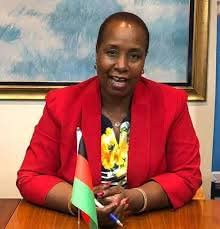
She has remained vocal, yes—but volume is not leadership. Kabwira’s combative public posture has often deepened MCP’s isolation rather than strengthened its appeal. Defending a failing administration without introspection, humility, or reform is not bravery—it is denial. While she absorbs criticism, she also symbolizes a party trapped in rhetoric, unable to reconnect with a disillusioned nation.
The difference is stark.
Where MCP flounders, the Democratic Progressive Party is rebuilding with purpose. Where Chakwera alienated his base, Peter Mutharika is consolidating his. Where MCP loyalists feel forgotten, DPP loyalists are recognised, empowered, and trusted.
Politics is not about applause when times are good. It is about who stands with you when the crowd disappears.
Peter Mutharika’s leadership—and Shadreck Namalomba’s steadfast loyalty—embody that truth. And as Malawi’s political winds shift once again, it is increasingly clear which party understands the real currency of power.
Loyalty remembered. Loyalty rewarded. That is how enduring political movements are built.