By Suleman Chitera
A scathing justice sector study has laid bare a growing crisis of confidence in Malawi’s courts, with most citizens believing the justice system serves the powerful while abandoning the poor.
The study, conducted by the Ministry of Justice through the National Statistical Office (NSO), reveals that many Malawians are deliberately bypassing formal courts and instead turning to the police, traditional leaders and other informal authorities to resolve disputes—particularly those involving human rights abuses.
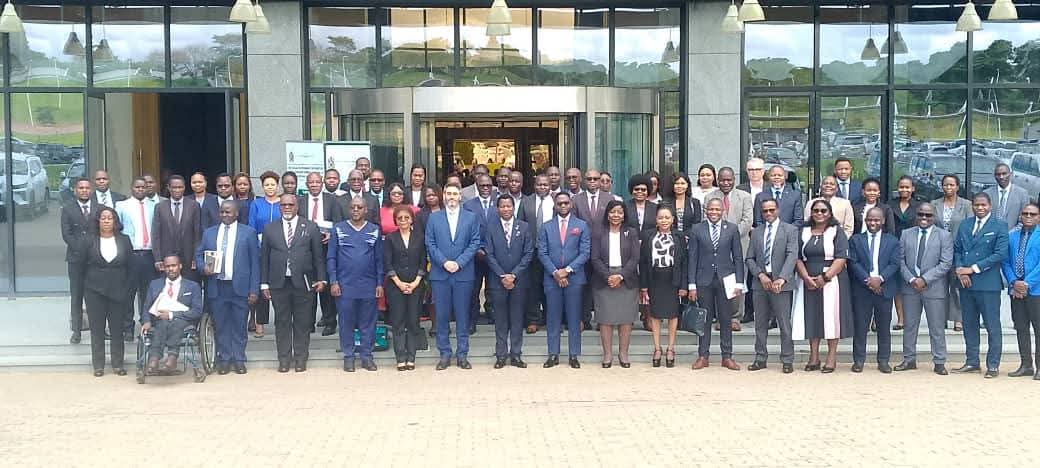
Presenting the findings in Lilongwe on Wednesday, NSO Director Shelton Kanyanda said respondents consistently expressed the view that courts favour politicians and other influential figures, reinforcing perceptions that justice in Malawi is selective rather than equal.
The research further exposes a troubling contradiction: while the police remain a key entry point for dispute resolution, they are simultaneously among the most criticised government institutions. Respondents cited widespread corruption within the service, raising serious questions about accountability in a system meant to protect the public.
The study also found that although awareness of children’s rights is relatively high, understanding of broader constitutional rights remains weak—leaving many citizens vulnerable to abuse and exploitation.
Minister of Justice Charles Mhango admitted reforms are unavoidable, promising measures aimed at restoring trust and ensuring access to justice for all Malawians, regardless of wealth or location. However, the findings add pressure on the government to move beyond promises and deliver concrete action.
European Union Ambassador to Malawi Daniel Aristi Gaztelumendi urged authorities to confront the uncomfortable truths exposed by the study and use the findings to drive meaningful reforms, warning that failure to act would continue to deny citizens their fundamental rights.
The study was funded by the European Union through the Chilungamo Programme, placing the spotlight firmly on whether government institutions will act—or continue business as usual.