Opinion By Donald Malanga
In the shadows of our nation’s hospitals, where medicine cabinets stand empty, and in markets where food prices soar beyond reach, a question of moral leadership hangs heavy in the air. The recent uproar over a vice-presidential trip, Dr Jane Ansah to the United Kingdom, exposes more than a simple travel controversy; it lays bare a profound disconnect between the principles of public service and the practice of power. This incident demands that we ask: Where should the line be drawn between a public servant’s private life and the public resources entrusted to their office?
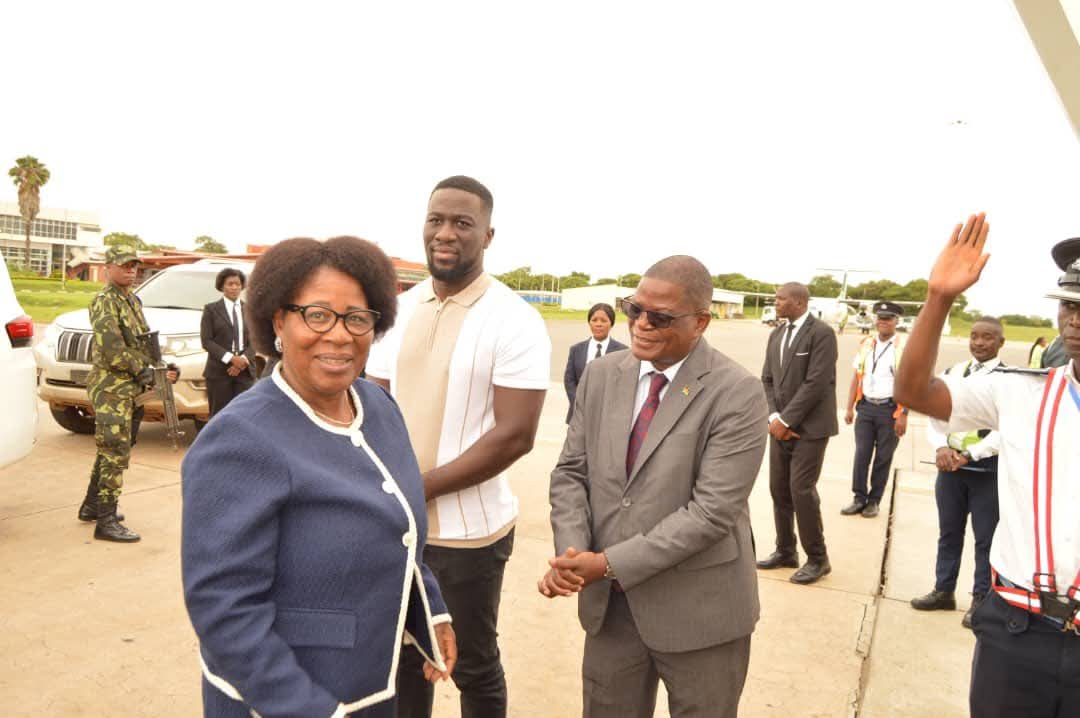
The facts, though disputed in detail, outline a troubling narrative. Vice President, Dr Jane Ansah, embarked on a private, post-Christmas trip to Nottingham, UK, primarily to celebrate her husband’s 80th birthday. While personal time is a right for all, including leaders, the circumstances surrounding this journey have ignited justified public fury. The government of President Peter Mutharika and Vice President Ansah came to power just 3 months ago on a platform of “Return to proven leadership” and prudent economic management, explicitly promising a raft of austerity measures and a reduction in both domestic and international travel for senior government officials.
This contrasts sharply with leaked documents indicating that up to 19 people, including accountants, security staff, and assistants, accompanied the Vice President on this private trip. Even more astonishing were the reported costs, nearly MK 2 billion, covering flights and double-rate daily allowances. The Vice President’s Office strongly denied the authenticity of these documents, claiming they “did not originate from any government institution,” and condemned the spread of what it calls false information. However, the administration has not provided any transparent or satisfactory official cost breakdown or delegation size, raising troubling questions for the public with few answers.
This opacity is poison to democracy. The Malawian Constitution is not merely a legal document; it is a social contract. Chapter III declares that “all persons responsible for the exercise of powers of State do so on trust” and that this authority depends on “sustained trust of the people”, maintained only through “open, accountable and transparent Government”. Our leaders swear an oath to preserve this Constitution and to “do right to all manner of people according to law without fear or favour, affection or ill-will”.
How, then, does a multi-billion-kwacha excursion for a private family event amid a national crisis align with this oath of service? The Human Rights Defenders Coalition (HRDC) has rightly called this a “double standard”. While Malawians are urged to endure hardship and accept reduced public services for the sake of fiscal discipline, the optics suggest our highest officials may exempt themselves from these very sacrifices. This perceived hypocrisy is corrosive. It tells the nurse buying her own gloves, the teacher without chalk, and the farmer selling livestock to buy food that their suffering is secondary to the comfort and ceremony of power.
Some may claim the Vice President deserves security and logistical aid. Yet, the reported scale and the lack of an official response with evidence suggest a culture of entitlement rather than necessity. The Constitution assigns state-funded residences and staff to leaders to serve the Republic, not to fund unlimited personal lives without oversight. When public funds are misused as personal expense accounts, it breaches the core principle that public resources are a sacred trust.
It is telling that the government’s response has been marked by denial and confusion rather than clarity. First, the President suggested that the Vice President would use personal resources; then a minister cited state costs; and finally, the Vice President’s office issued a statement distancing itself from any claim of individual funding, without providing the facts. This cacophony erodes trust far more than any single act of spending ever could.
The solution is not complex, but it requires humility and a commitment to service that seem in short supply. Authentic leadership in this moment would involve: The Office of the Vice President must publish a verified, line-by-line breakdown of the trip’s total cost, the official purpose of each delegation member, and the legal or policy basis for using public funds. If public funds were misused, restitution should be made. A symbolic yet powerful act would be for the Vice President to personally reimburse the treasury for all costs associated with the private elements of the journey. The administration must move beyond rhetoric and enact ironclad, publicly accessible rules governing the use of state resources for all private travel by senior officials.
Malawi is at a crossroads. We can continue down a path where power is synonymous with privilege, where the gulf between the governing and the governed widens into a chasm of resentment. Or, we can demand a return to the foundational principles etched in our Constitution: accountability, transparency, and the unwavering understanding that those in power are servants of the people, not masters of the public purse.
In conclusion, the Malawian people are watching. History, indeed, will remember. It is not too late for our leaders to ensure it remembers a course correction toward integrity, not an indelible stain of impunity.