By Suleman Chitera, Opinion and investigative desk
Malawi today stands battered by deepening poverty, a collapsing economy, and a citizenry pushed to the edge of survival. At the center of this crisis lies a troubling question that refuses to go away: What happened to the trillions borrowed in the name of the Malawian people over the past five years?
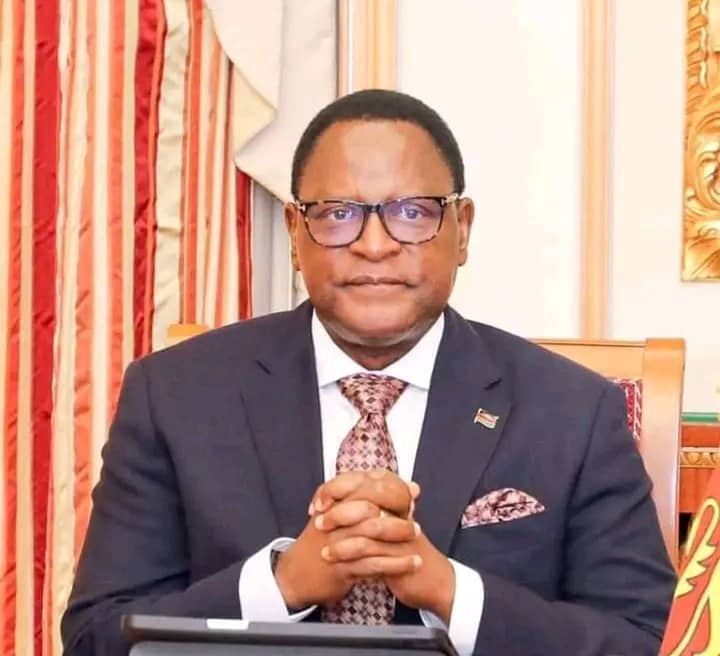
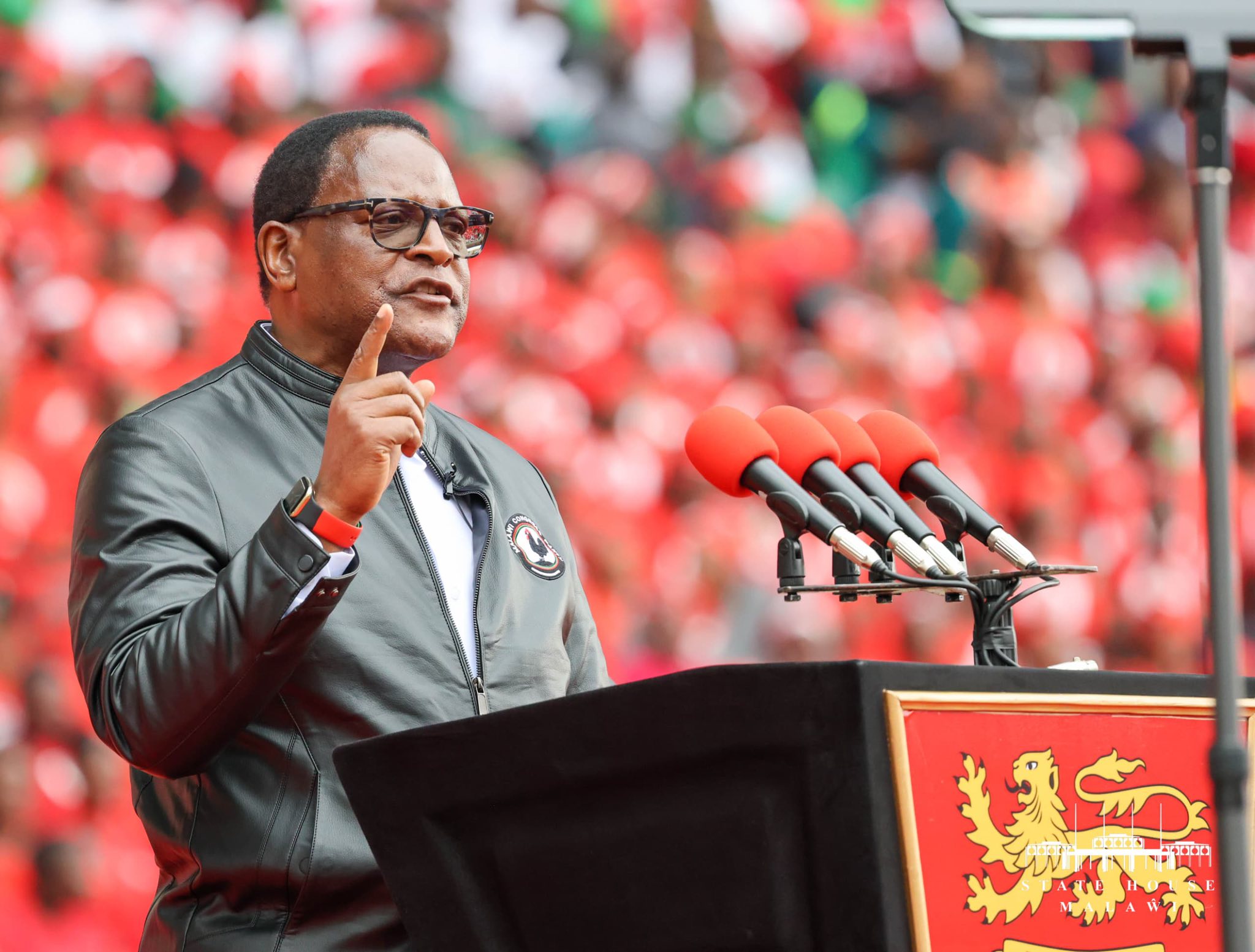
Under the administration of Lazarus Chakwera and his Malawi Congress Party, Malawi’s public debt ballooned to an estimated K21 trillion. This borrowing was justified as necessary for development, economic recovery, and national transformation. Yet, on the ground, Malawians see little—if anything—to show for it.
Borrowed Billions, Invisible Development
Across the country, infrastructure is crumbling, hospitals lack basic medicines, schools are under-resourced, and youth unemployment is worsening. No flagship project, no transformative investment, no enduring national development can be clearly identified as the product of this unprecedented borrowing spree.
Instead, what dominates public discourse are persistent allegations of:
- Systematic looting of public funds
- Self-enrichment by politically connected elites
- Rampant corruption and financial mismanagement
- Extravagant lifestyles funded by public debt
If K21 trillion was truly spent for the public good, Malawians deserve transparency, audited accounts, and visible results—not silence and excuses.
A State Capture Allegation That Cannot Be Ignored
Multiple reports and whistleblower accounts point to politically linked individuals amassing unexplained wealth during this period. Luxury homes, lodges, and properties—some reportedly within Malawi and others abroad—have raised serious red flags.
The perception among citizens is stark: government was treated not as a vehicle for service, but as a feeding trough for the few, while millions sank deeper into hardship.
Public Demands for Accountability
With a new administration under Peter Mutharika, pressure is mounting for decisive action. Malawians are not calling for rhetoric; they are demanding:
- Forensic audits of all major loans contracted
- Arrests where evidence of corruption exists
- Seizure and recovery of assets suspected to have been acquired through public funds
- Prosecution without fear or favor, regardless of political affiliation
Anything less risks cementing a dangerous culture of impunity.
Five Years of Economic Vandalism?
Critics argue that the last five years represent one of the darkest chapters in Malawi’s governance—an era marked not by nation-building, but by what many describe as economic vandalism. Positions of public trust were allegedly handed to individuals lacking the competence, integrity, and vision required to govern a nation in crisis.
Conclusion: The Debt Belongs to the People—So Must the Truth
The K21 trillion debt will not be repaid by politicians; it will be repaid by ordinary Malawians through taxes, inflation, and reduced public services. That reality alone makes accountability non-negotiable.
Malawi cannot move forward by burying the past. The nation must confront it—fearlessly, transparently, and lawfully. The time for investigations is now. The time for justice is now. Silence is no longer an option.