
By Suleman Chitera
The United Kingdom’s decision to pivot from traditional aid to an investment-led development model in Malawi is more than a policy adjustment. It is a blunt verdict on a failed status quo—and a warning shot across the bow of a system long addicted to handouts, mismanagement, and elite capture.
For decades, aid has functioned as Malawi’s economic life-support machine. It has kept the country breathing, but never strong. It has softened collapse, but never built resilience. Worse still, it has sustained a political economy in which failure carries no consequences, corruption is quietly subsidised, and reform is endlessly postponed. The UK’s “donor-to-investor” shift is an overdue admission that this model has run its course.
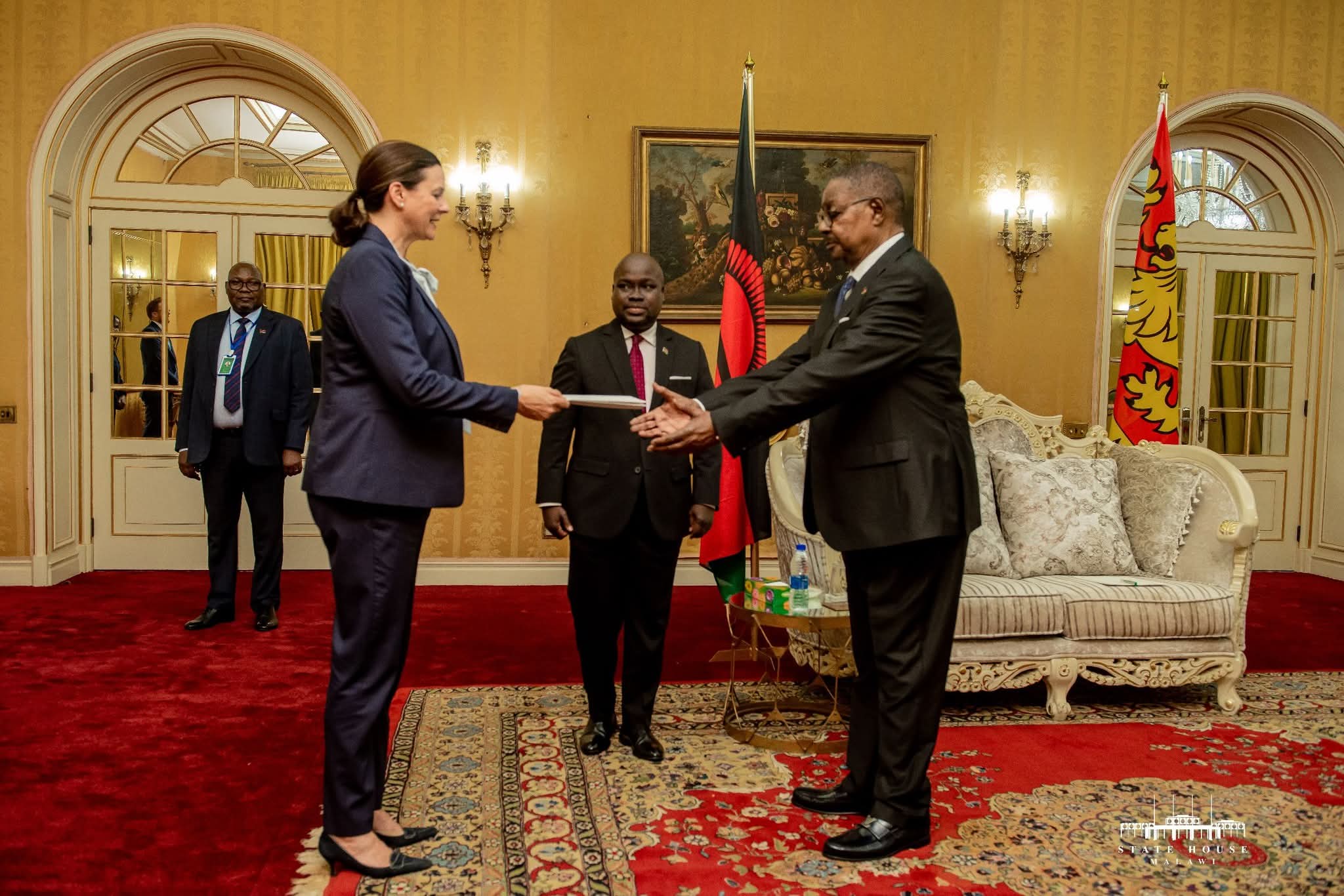
The message delivered by British High Commissioner Leigh Stubblefield at Kamuzu Palace was unusually candid: aid alone will not develop Malawi. That truth may unsettle those who have grown comfortable in the aid ecosystem—but it is precisely the honesty the country needs. Grants do not create industries. Workshops do not generate exports. Per diems do not employ the youth. Investment does.
By choosing to channel support through British International Investment, the UK is deliberately backing production over pity, enterprise over entitlement. This is bad news for corrupt officials who thrive in opaque aid flows, but potentially transformative news for Malawians who want jobs, dignity, and economic agency. Investment demands performance. It demands returns. And above all, it demands accountability.
Malawi’s greatest crisis today is not simply poverty—it is the collapse of opportunity. A youthful population is being wasted in an economy that produces too few jobs and too little value. Investment-led development directly targets this failure by prioritising businesses, value chains, and infrastructure that can absorb labour and generate sustainable growth. Without jobs, social stability is an illusion.
The UK’s strategy also confronts realities many donors prefer to discuss in whispers. Climate change is no longer a future threat; it is a present economic wrecking ball. Floods, droughts, and crop failures repeatedly erase development gains. An investment focus on climate-smart agriculture, renewable energy, and resilient infrastructure is not charity—it is economic survival. Likewise, the link between economic stagnation and irregular migration is undeniable. People do not flee opportunity; they flee hopelessness.
But this shift also exposes Malawi’s own uncomfortable truths. Investment does not flourish in chaos. It does not tolerate policy flip-flopping, institutional weakness, selective justice, or endemic corruption. If Malawi fails to attract investment under this new approach, the fault will not lie in London—it will lie in Lilongwe.
The challenge is now squarely on Malawi’s leadership. Reform is no longer optional or rhetorical. It must be visible, measurable, and enforced. Property rights must be protected. Contracts must be honoured. Macroeconomic discipline must replace reckless populism. Investors do not gamble on speeches; they invest in systems.
The UK’s repositioning is therefore not a gift—it is a test. A test of whether Malawi is ready to graduate from dependency to responsibility. From aid negotiations to investment partnerships. From survival politics to economic strategy.
we believe this moment should be seized with urgency and seriousness. Development must empower citizens, not anesthetise them. It must reward productivity, not patronage. If matched with genuine domestic reform, the UK’s donor-to-investor strategy could mark a historic turning point—one that finally forces Malawi to stop managing poverty and start building prosperity.
The era of handouts is ending. The era of hard choices has begun.