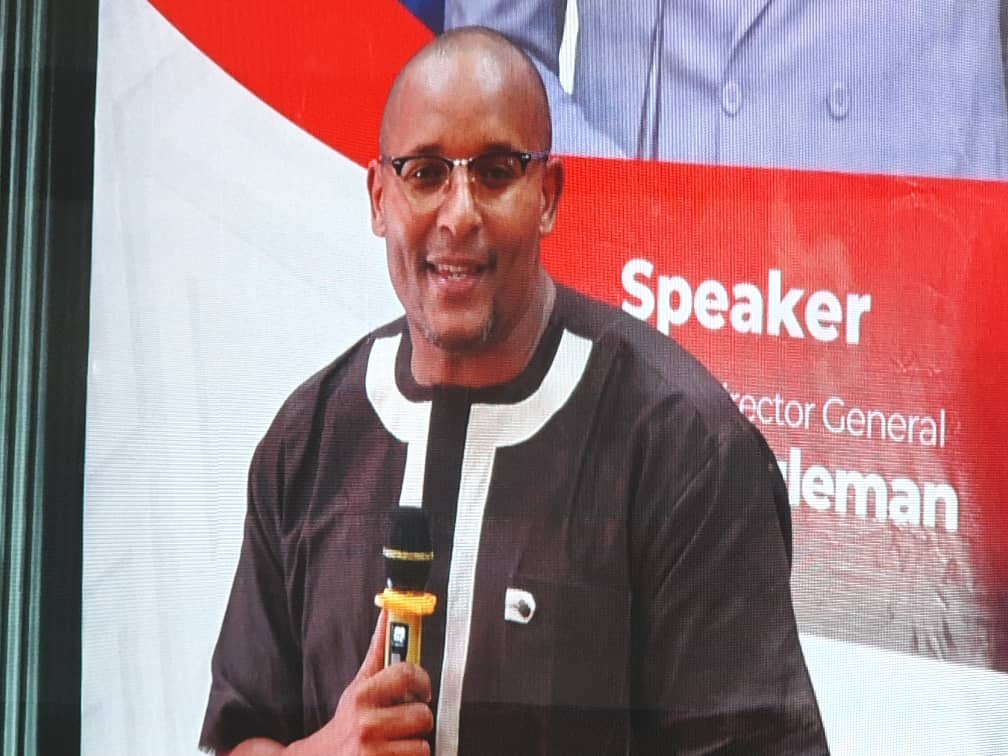

By Suleman Chitera
The demand by the Human Rights Defenders Coalition (HRDC) for an apology from Chihana raises a far more serious question than the one it seeks to answer: what exactly is HRDC defending—and for whom?
A supporter of the Malawi Congress Party (MCP) has posed a blunt and legitimate challenge to the coalition’s posture. While HRDC trains its fire on Chihana over remarks it finds objectionable, the country is grappling with allegations that cut to the bone of governance and social justice. In the Central Region, citizens are reportedly redeeming bags of APM fertilizer at K10,000 each—an amount that places a basic livelihood input beyond the reach of the poorest households. Even more troubling are claims that some traditional leaders are sabotaging the process, turning a public support programme into a private tollgate.
If these allegations are true, they represent a gross violation of citizens’ rights to equitable access to public resources. Yet, on this matter, HRDC’s voice is conspicuously muted.
This is the core of the accusation: selective outrage. HRDC has built its reputation on speaking truth to power and standing with the vulnerable. But credibility is not sustained by press statements alone; it is earned through consistency. When civil society appears quick to censure an individual for speech, while slow—or silent—on systemic abuses that directly impoverish citizens, it risks looking partisan, detached, or worse, complicit.
What “wrong” has Chihana committed that rises above the lived reality of farmers being priced out of survival? If an apology is being demanded, who should be apologising to the widow who cannot afford fertilizer, to the smallholder farmer forced to borrow at exploitative rates, or to communities watching public programmes captured by local gatekeepers?
HRDC must decide whether it remains a defender of human rights in practice or merely an arbiter of acceptable speech. The former requires confronting uncomfortable truths wherever they arise—be it in government policy, party structures, or traditional authority. The latter invites public skepticism and erodes the moral authority the coalition once commanded.
Malawi does not need selective condemnations. It needs principled advocacy that prioritizes bread-and-butter injustices over personality clashes. Until HRDC addresses the fertilizer scandal allegations with the urgency they deserve, its call for an apology rings hollow. The real apology, many would argue, is owed to the people.