By Jones Gadama
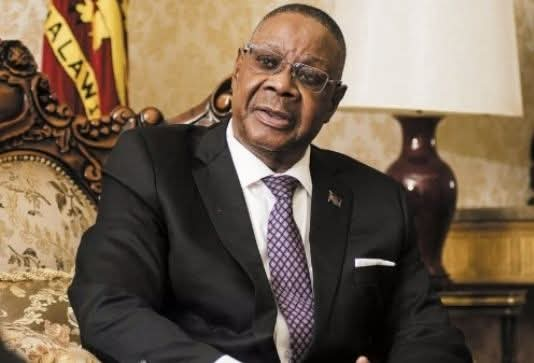
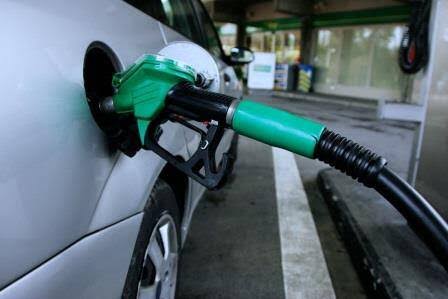
The recent fuel price adjustment of 41% by the government of Malawi under President Arthur Peter Mutharika has sparked strong reactions, notably from the United Transformation Party (UTM), which has criticized the decision as a policy failure and a sign of poor economic thinking.
However, a deeper and more comprehensive analysis reveals that the government’s decision is not only justified but necessary for Malawi’s economic stability, fuel security, and long-term growth.
This response will address every point raised by the UTM, demonstrating why the fuel price increase, though difficult, is a responsible and internationally recognized economic policy measure.
First and foremost, the UTM criticizes the government for adhering to the Automatic Pricing Mechanism (APM), arguing that strict application of the formula does not guarantee fuel availability, exchange rate stability, or economic resilience.
While it is true that no single policy instrument is a silver bullet, dismissing the APM’s role overlooks its foundational purpose: ensuring cost-reflective pricing and preventing fiscal distortions.
The APM is designed to align pump prices with global landed costs, preventing hidden subsidies that undermine government finances and distort market signals.
Many countries, including those in sub-Saharan Africa, rely on similar mechanisms precisely because they promote transparency, fiscal responsibility, and investor confidence.
It is important to recognize that Malawi’s fuel price issues are not unique but reflect broader global economic realities.
The international oil market has been volatile due to geopolitical tensions, supply chain disruptions, and fluctuating demand patterns post-pandemic.
These factors have pushed landed costs higher, and Malawi, as an oil-importing country, naturally faces the consequences.
The government’s decision to increase fuel prices by 41% is a direct response to these external shocks and aligns Malawi’s prices with global realities.
Without such adjustments, the government would be forced to subsidize fuel heavily, straining an already fragile fiscal budget—a path that is unsustainable and damaging in the long term.
UTM’s claim that fuel shortages and parallel markets persisted despite previous price hikes is an oversimplification that ignores other critical factors influencing supply.
Fuel shortages in Malawi stem from a complex mix of logistical challenges, foreign exchange constraints, and infrastructural bottlenecks.
The government has been actively working on improving supply chain resilience and securing foreign currency to mitigate these issues.
The argument that price hikes alone should solve shortages is misplaced because fuel availability depends on multiple factors beyond price, including import capacity, storage infrastructure, and currency availability.
Price adjustments are necessary but must be complemented by broader policy interventions, many of which the current government is pursuing.
The UTM also emphasizes the inelasticity of fuel demand, suggesting that price increases fail to reduce consumption and only fuel inflationary pressures.
It is true that fuel demand is relatively inelastic in the short term because fuel is essential for transportation, agriculture, electricity, and industry.
However, this inelasticity does not negate the necessity of cost-reflective pricing.
On the contrary, maintaining artificially low fuel prices through subsidies distorts economic incentives, encourages wasteful consumption, and places undue burden on government budgets, which could otherwise be deployed in social services or infrastructure development.
Moreover, the inflationary impact of fuel price increases, while real, must be understood within a broader macroeconomic context.
Fuel is a fundamental input cost that affects the entire economy, so price adjustments inevitably have ripple effects.
However, failing to adjust prices leads to chronic fiscal deficits that worsen inflation in the medium to long term by eroding investor confidence and destabilizing the currency.
The government’s strategy is to balance the immediate inflationary impact with the need to restore fiscal discipline and macroeconomic stability, which are critical for sustainable growth.
International economic institutions such as the International Monetary Fund (IMF) and the World Bank consistently recommend cost-reflective pricing for fuel in developing countries.
Their research shows that while price increases may cause short-term pain, they are essential for reducing subsidies that benefit wealthier consumers disproportionately, freeing fiscal space for targeted social protection programs that assist the poorest.
Malawi’s government is aligned with this internationally accepted best practice, reflecting sound economic stewardship rather than policy failure.
The UTM’s reference to the period under their own party leadership from 2020 to 2025, during which fuel prices reportedly increased from K699 to K3,459 per litre, is somewhat misleading.
It is important to recognize that price increases during that period were largely driven by global oil price trends and currency fluctuations beyond any government’s control.
The government’s role has been to manage these external shocks as prudently as possible.
The administrative freeze on fuel prices during that period, while politically popular, was economically unsustainable and contributed to the accumulation of quasi-fiscal liabilities and fuel shortages.
Maintaining such freezes indefinitely is not a viable strategy for economic resilience.
In addition, Malawi’s fuel pricing strategy must be viewed within the broader context of the country’s economic challenges, including foreign exchange scarcity, inflationary pressures, and infrastructure deficits.
The government’s decision to increase fuel prices is one component of a comprehensive economic reform agenda aimed at stabilizing the currency, attracting investment, improving energy security, and fostering economic diversification.
Without addressing fuel pricing, these broader reforms would lack credibility and effectiveness.
Finally, the government’s fuel price adjustment is a transparent, rule-based approach that builds market confidence.
By following a pre-established formula, the government signals to fuel importers, investors, and international partners that Malawi is committed to sound economic management.
This predictability is essential for planning and investment decisions that will ultimately improve fuel supply chains, stabilize foreign exchange markets, and promote economic growth.
While the fuel price increase is challenging for Malawians, it is a necessary and justified policy underpinned by sound economic principles and international best practices.
The government’s adherence to the Automatic Pricing Mechanism ensures transparency and fiscal responsibility, while broader reforms aim to address structural challenges affecting fuel supply and macroeconomic stability.
Condemning this measure without appreciating its complexity and necessity only risks undermining Malawi’s long-term economic prospects.
The government of Malawi, under President Arthur Peter Mutharika, deserves credit for taking difficult but responsible decisions to safeguard the nation’s economic future.
Feedback:+265992082424
[email protected]