
By Suleman Chitera
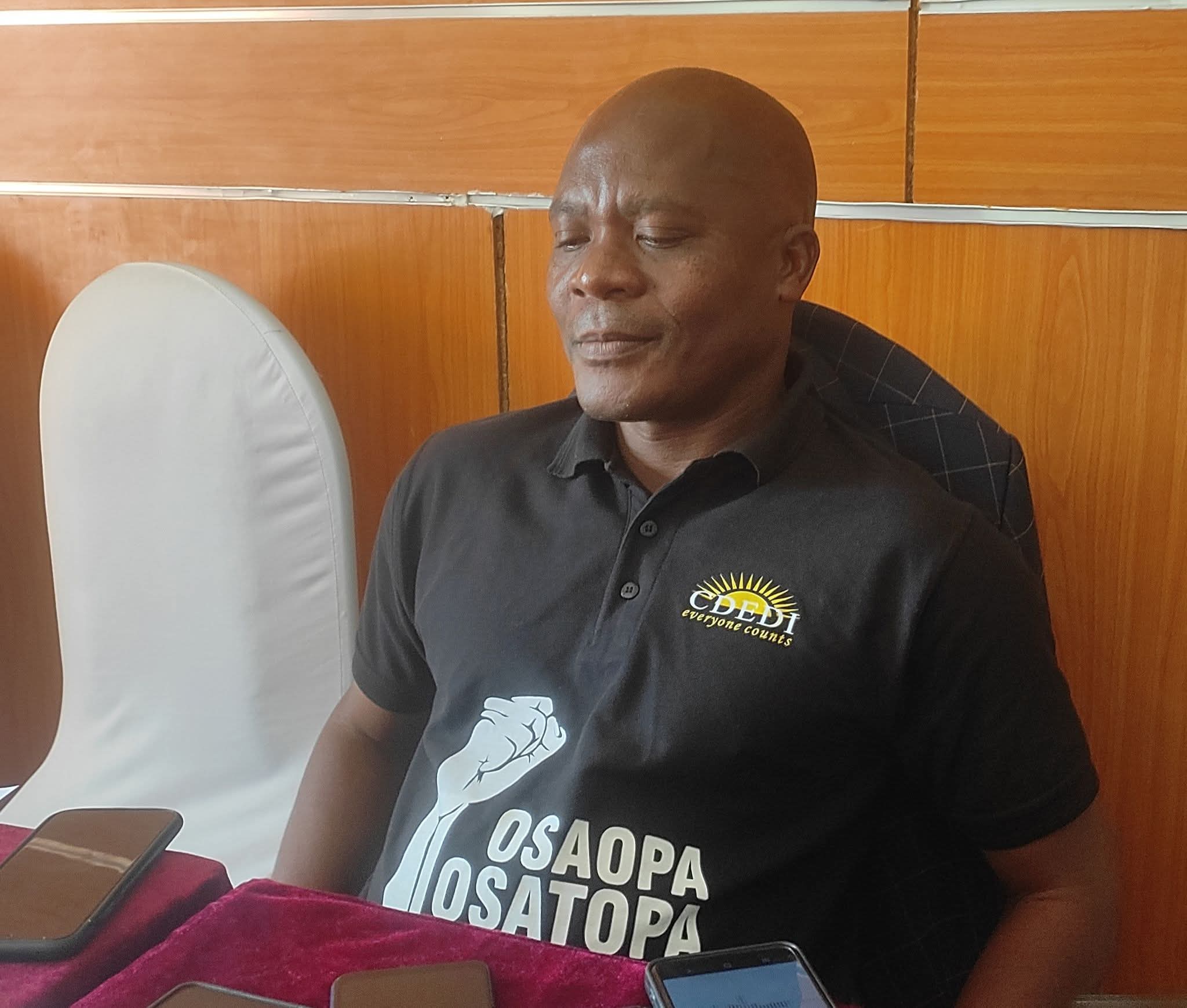
Executive Director of the (CDEDI), , has urged government to harmonise the retirement age across Malawi’s public service, arguing that the current disparities are unfair and discriminatory.
Speaking on the matter, Namiwa noted that while most civil and public servants are required to retire at the age of 60, members of the judiciary — including judges of the High Court, Supreme Court of Appeal and magistrates — are allowed to serve until the age of 70.
According to Namiwa, the unequal application of retirement age policies undermines the principle of fairness in public administration.
“It is either government makes 70 the retirement age for everyone, or we all go back to 60. The disparity is not right,” said Namiwa.
The retirement age for judges was previously set at 65 but was revised upward to 70 in 2022 following constitutional and legislative changes. Authorities at the time justified the move by citing the need to retain experienced and highly skilled judges, as well as to address the growing backlog of cases in the courts.
However, Namiwa argues that these justifications should not apply selectively.
He maintains that many other sectors within the public service also rely heavily on experience and institutional memory, yet their employees are compelled to retire earlier despite being capable of continued service.
“If experience and expertise are the reasons for extending the retirement age in the judiciary, then the same logic should apply to other professionals in public service such as doctors, teachers, engineers and economists,” Namiwa said.
He further warned that maintaining different retirement ages creates perceptions of privilege and inequality, which can negatively affect morale among public servants.
Namiwa has since called on to review the current policy framework and engage stakeholders on establishing a uniform retirement age that is fair, transparent and sustainable.
The debate over retirement age continues to draw public attention as Malawi grapples with youth unemployment, public sector wage pressures and the need to balance experience with generational renewal in state institutions
- Mwanamvekha’s Washington Breakthrough: How Mutharika’s Economic Strategy is Unlocking Millions for Malawi’s Recovery
 By Suleman Chitera Malawi’s economic recovery efforts are gaining renewed momentum following high-level engagements between Finance Minister Joseph Mwanamvekha and…
 - Shepherd Bushiri Ignites Youth Football Dreams as Nselema United Triumphs in Machinga Bonanza
 By Suleman Chitera Thousands of football lovers gathered at Ntaja Vision Stadium as Prophet Shepherd Bushiri delivered a powerful message…
 - Inga Technologies Launches Ride-Hailing Platform to Tackle Transport Woes and Create Jobs
 By Suleman Chitera A new player has entered Malawi’s transport sector, promising to ease mobility challenges while opening up income…
 - China scraps tariffs for all but one African nation
 By Suleman Chitera China will scrap tariffs for all African countries from Friday – except Eswatini, which maintains ties with…
 - Malawi U-23 Queen Cubs Dominate Tshukudu 73-29 in 2026 Telkom Netball League Power Week
 By Suleman Chitera Malawi’s Under-23 netball side, the Queen Cubs, delivered another commanding performance in the 2026 Telkom Netball League,…
 - Chithyola describes this year’s Labour Day as empty holiday
 By Vincent Gunde Leader of Opposition in Parliament Simplex Chithyola Banda, says workers deserve better, Malawi deserves better saying on…
 - Economy Shows Signs of Recovery Under President Arthur Peter Mutharika
 By Suleman Chitera LILONGWE — Malawi’s economy is beginning to register signs of recovery under the leadership of Arthur Peter…
 - NBS Bank, MDF seal 10-year partnership to sustain veterans’ welfare support
 By Suleman Chitera NBS Bank has signed a 10-year Memorandum of Understanding with the Malawi Defence Force (MDF), cementing its…
 - NBS Bank introduces Chinese Banking service to strengthen Malawi–China trade ties
 By Suleman Chitera In a move to strengthen international trade and investment, NBS Bank plc has introduced a dedicated Chinese…
 - Gender Ministry hails TNM Mpamba for transforming Social Cash Transfers in Mangochi
 By Suleman Chitera Ministry of Gender has commended Telecommunications Network Malawi (TNM), through its mobile money platform TNM Mpamba, for…
 - NBM plc commits K317 Million for Malamulo Hospital power project
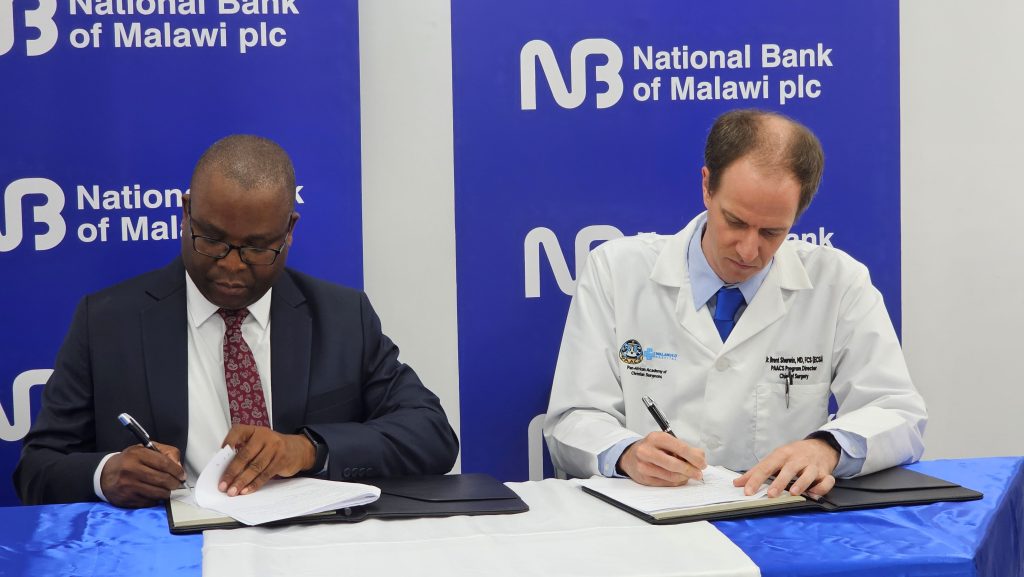 By Suleman Chitera National Bank of Malawi (NBM) plc has signed a Memorandum of Understanding (MoU) with Malamulo Mission Hospital…
 - NBM plc launches online account opening platform
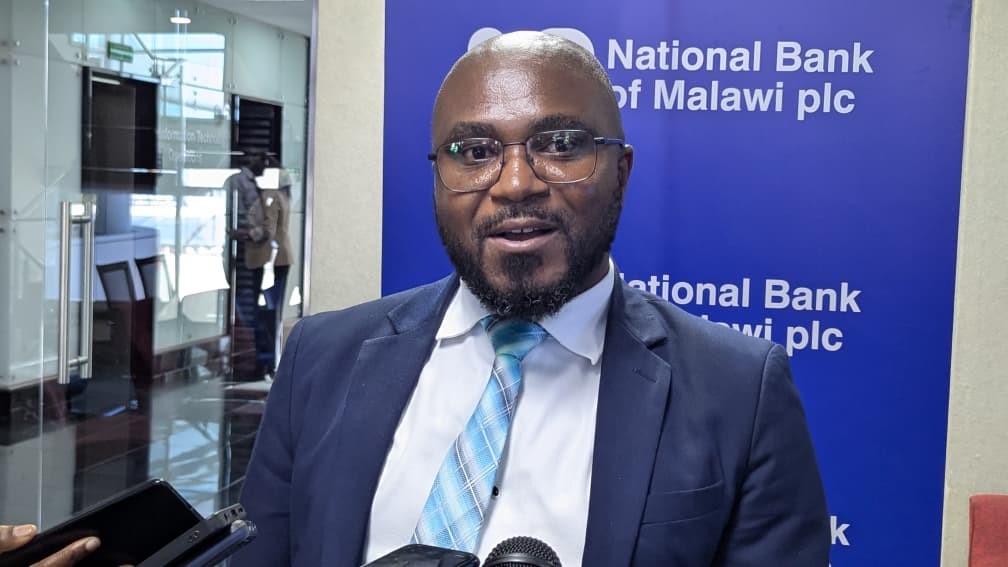 By Sphiwe Dorias, Contributor In a move to enhance digital banking, National Bank of Malawi (NBM) plc has introduced an…
 - FDH Bank posts strong 2025 performance, signals regional growth strategy
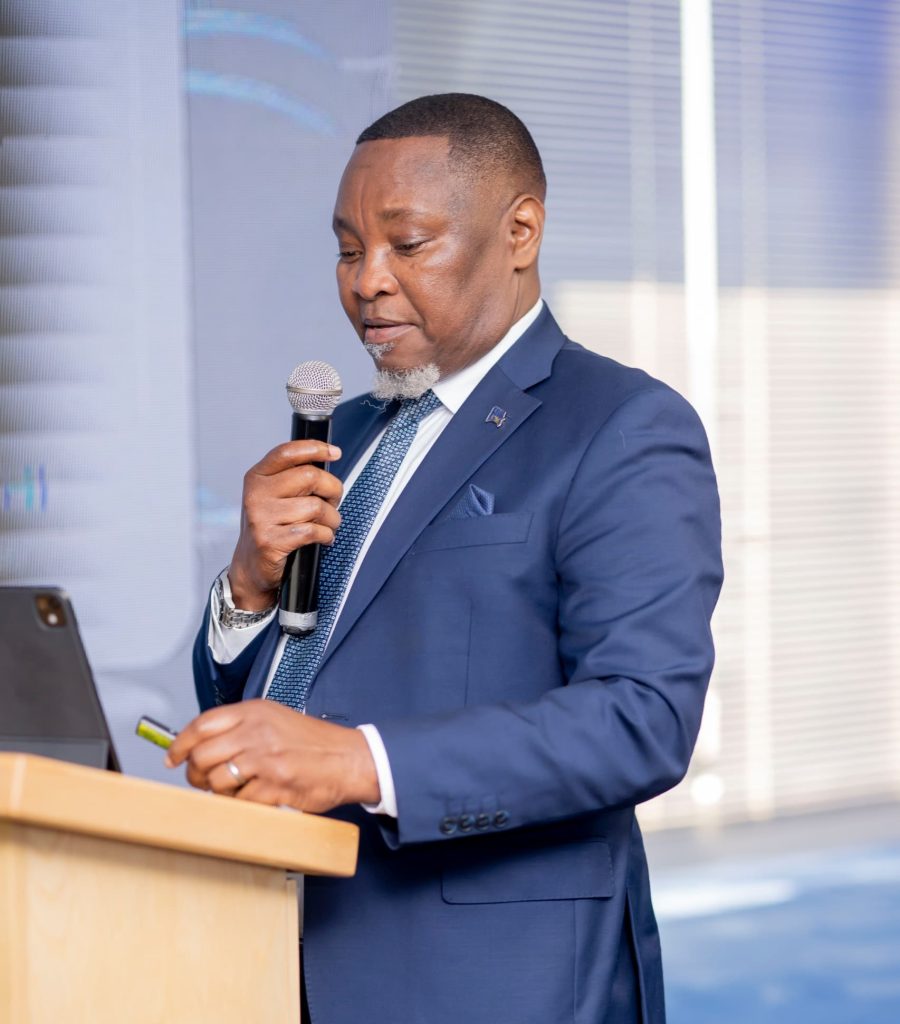 By Suleman Chitera FDH Bank plc has reported strong financial performance for the 2025 financial year, recording a profit after…
 - PIL touts historic zero-accident record in fuel haulage
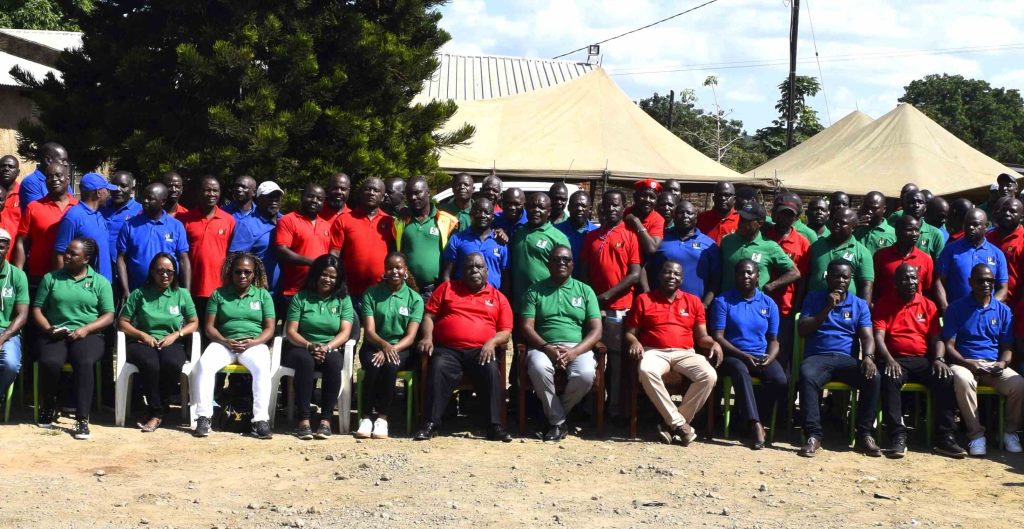 By Suleman Chitera Petroleum Importers Limited (PIL) has recorded a major safety breakthrough, delivering over 180 million litres of fuel…
 - Local Government Ministry shakes up Directors in Councils
 By Vincent Gunde The Ministry of Local Government and Rural Development has shaked up all Councils across the country with…
 - Mutharika proves that he is not hospitalized in South Africa
 By Vincent Gunde President Professor Arthur Peter Mutharika on Thursday proved to his critics that he was not hospitalized in…
 - Labour Day Bombshell: Opposition Declares Malawi “In Crisis,” Accuses Government of Driving Nation into Collapse
 By Suleman Chitera LILONGWE, MALAWI — May 1, 2025 — A fierce political storm has erupted on Labour Day after…