By Suleman Chitera
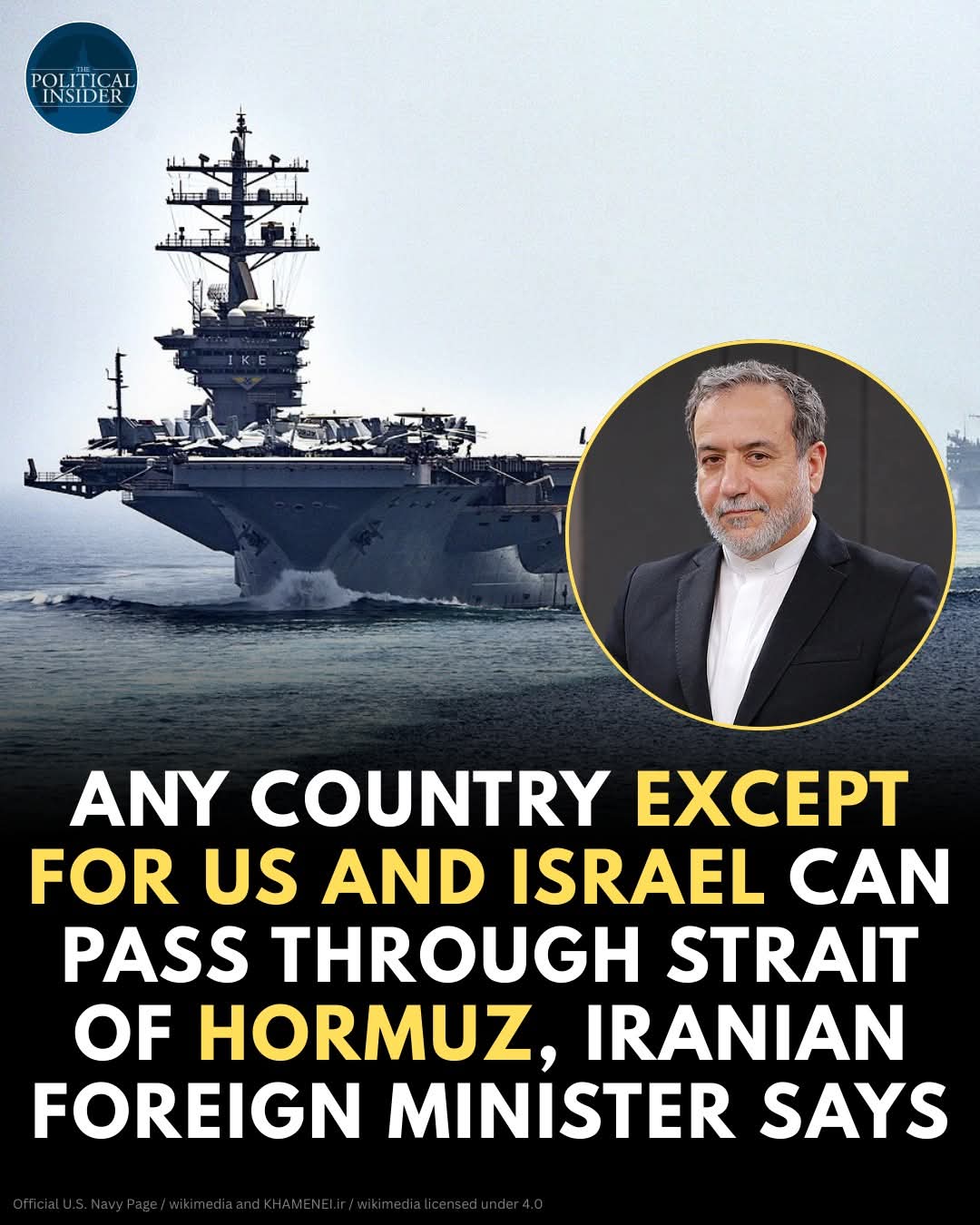
Tensions in the Middle East have sharply intensified following a controversial statement by Abbas Araghchi, who declared that the strategically vital Strait of Hormuz would remain open to all nations except the United States and Israel.
The remarks, widely interpreted as a direct challenge to international maritime norms, have sparked concern among global powers, energy markets, and security analysts. The Strait of Hormuz, a narrow but critical chokepoint, handles roughly one-fifth of the world’s oil supply, making any threat to its accessibility a matter of global economic and geopolitical significance.
A Strategic Flashpoint
Iran’s position effectively labels the United States and Israel as hostile actors, escalating already strained relations amid ongoing regional instability. While Tehran has long criticized both nations, this explicit warning marks a shift from rhetoric to a potential policy posture with far-reaching implications.
Maritime law experts point out that under the United Nations Convention on the Law of the Sea (UNCLOS), coastal states do not have the authority to unilaterally deny transit passage through international straits used for global navigation. The Strait of Hormuz qualifies as such a passage, meaning all vessels—military and civilian—are entitled to safe transit without interference.
“Iran cannot selectively restrict access without violating international law,” said a regional security analyst. “Any attempt to enforce such a policy would likely provoke a strong international response.”
Global Repercussions
The statement has already triggered unease in global energy markets, with traders wary of disruptions to oil shipments from major Gulf producers including Saudi Arabia, United Arab Emirates, and Kuwait. Even the suggestion of restricted passage could lead to price volatility and increased insurance costs for shipping companies.
For the United States, which maintains a significant naval presence in the region, any attempt by Iran to block or harass vessels could be interpreted as a direct provocation. The U.S. Navy’s Fifth Fleet, based in Bahrain, routinely patrols the area to ensure freedom of navigation.
Israel, though not directly bordering the Gulf, relies on global maritime routes for trade and energy supplies. Iranian threats against Israeli-linked shipping have increased in recent years, often playing out through proxy conflicts and covert maritime incidents.
Risk of Escalation
Security experts warn that the latest statement could heighten the risk of miscalculation in an already volatile region. Past incidents—including tanker seizures, drone attacks, and naval standoffs—demonstrate how quickly tensions can spiral into open confrontation.
“This is not just rhetoric; it’s signaling,” said one analyst. “Iran is testing boundaries, and the response from the international community will determine whether this escalates or is contained.”
A Test for International Order
The situation presents a broader challenge to the rules-based international order governing global trade routes. If Iran were to act on its threat, it could set a dangerous precedent for other nations controlling strategic waterways.
As diplomatic channels remain strained, the international community faces a critical question: how to deter escalation while preserving the principle of free navigation that underpins global commerce.
For now, the Strait of Hormuz remains open—but the warning from Tehran has cast a long shadow over one of the world’s most important maritime corridors.
- Iran Signals Escalation with Strait of Hormuz Warning, Raising Global Alarm
 By Suleman Chitera Tensions in the Middle East have sharply intensified following a controversial statement by Abbas Araghchi, who declared…
 - Israel’s Iran War Stalls After Strong Opening, Military Signals Strategy Crisis
 By Suleman Chitera The military campaign by Israel against Iran is losing momentum despite an initially successful opening phase, according…
 - Iran Defies Pressure: Pezeshkian Vows No Surrender as War Rages
 By Suleman Chitera Iran’s President Masoud Pezeshkian has issued a defiant warning, declaring that the country will not bow to…
 - WAR OF WORDS: Donald Trump, Abbas Araghchi Clash Over ‘Fake News’ and Secret Talks
 By Suleman Chitera A sharp war of words has erupted between the United States and Iran, exposing deep divisions and…
 - Controversial Amaryllis Hotel Purchase Sparks National Debate
 By Suleman Chitera The purchase of the luxury Amaryllis Hotel by the Public Service Pension Trust Fund (PSPTF) has become…
 - Namalomba: Amaryllis Hotel Purchase Began Under MCP Administration
 By Suleman Chitera Minister of Information Shadraic Namalomba has called on the public to stop blaming the Democratic Progressive Party…
 - NBM plc commits K67 million for orientation of new parastatal board members
 By Suleman Chitera National Bank of Malawi (NBM) plc has committed K67 million to the Corporate Governance Orientation Programme for…
 - Mbeta’s Attorney General Appointment Under Fire Over Amaryllis Links
 By Staff Reporter The appointment of Frank Mbeta as Attorney General has come under scrutiny after legal practitioner Alexious Kamangira…
 - Political Storm as Jappie Mhango Attacked Over Demeaning Remarks Against VP Chihana
 By Suleman Chitera Controversy erupted this week after Jappie Mhango, the Democratic Progressive Party (DPP) Vice President for the Northern…
 - Chithyola Banda Demands Action Over Amaryllis Hotel Scandal
 By Suleman Chitera Leader of Opposition, Simplex Chithyola Banda, has called for the immediate firing or suspension of individuals implicated…
 - YPU Northern Chapter Fires Back at Jappie Mhango Over “Disrespectful” Remarks Against Chihana
 By Staff Reporter The Northern Region Chapter of the Young Politicians Union (YPU) has strongly condemned remarks made by Democratic…
 - Iran Warns Romania Over Possible U.S. Use of Military Bases
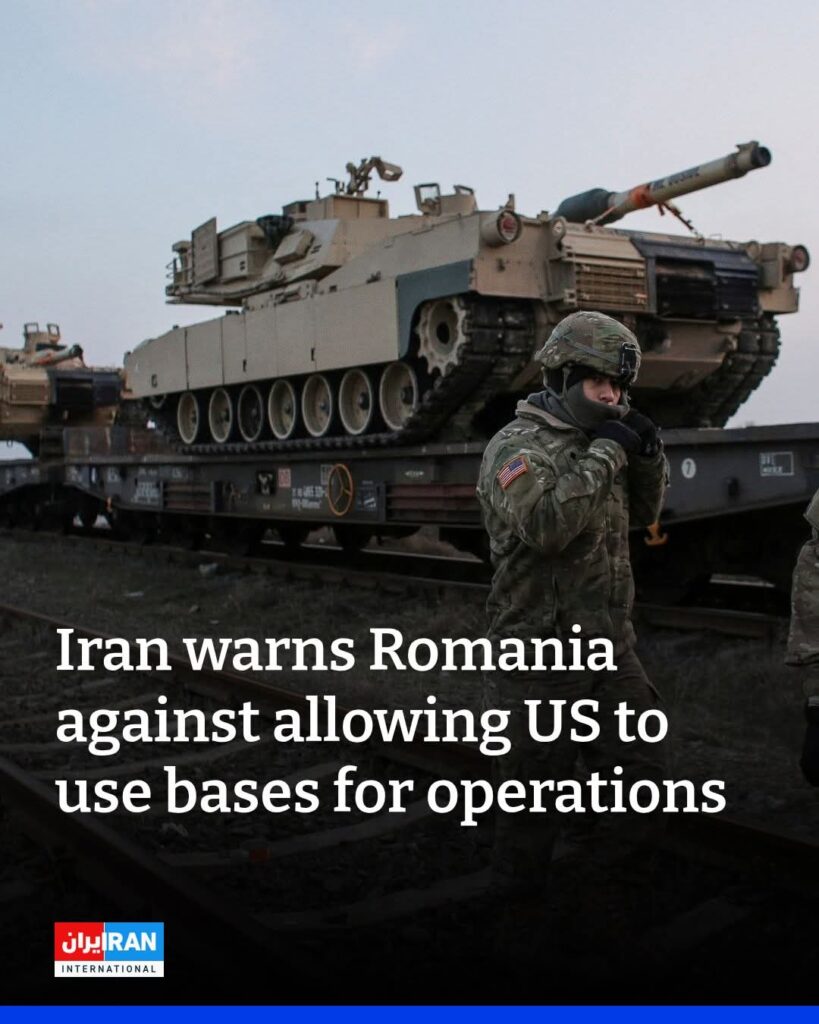 By Suleman Chitera Iran has warned Romania that it could face political and legal consequences if it allows the United…
 - China’s Liaowang-1 Arrives in Gulf of Oman, Raising Security Concerns
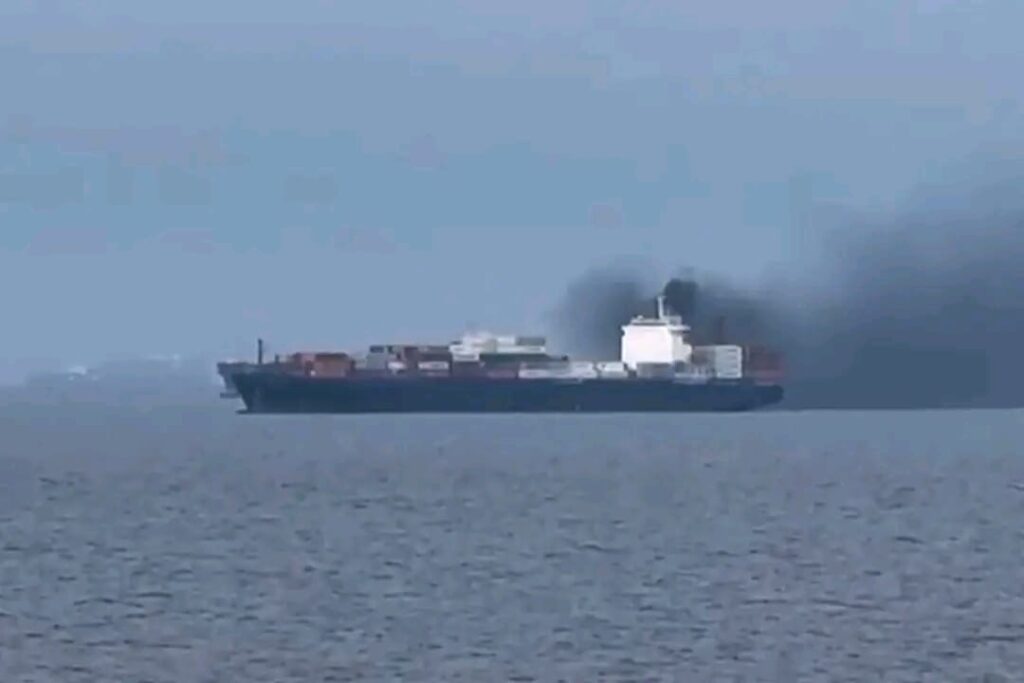 By International Investigator, Gulf The arrival of the Chinese tracking ship Liaowang‑1 in the strategic waters of the Gulf of…
 - Mbeta Fails to Appear Before PAC Over Amaryllis Hotel Deal
 By Our Reporter Government’s Chief Legal Adviser Frank Mbeta on Monday morning failed to appear before the Parliamentary Public Accounts…
 - New Toyota Prado 2026: Rugged Off-Roader with Modern Tech and Luxury Interior
 By Suleman Chitera The 2026 Toyota Prado has finally been unveiled, bringing a bold new direction to one of the most respected…
 - Reports Claim U.S. Troops Refusing Orders in Iran Conflict
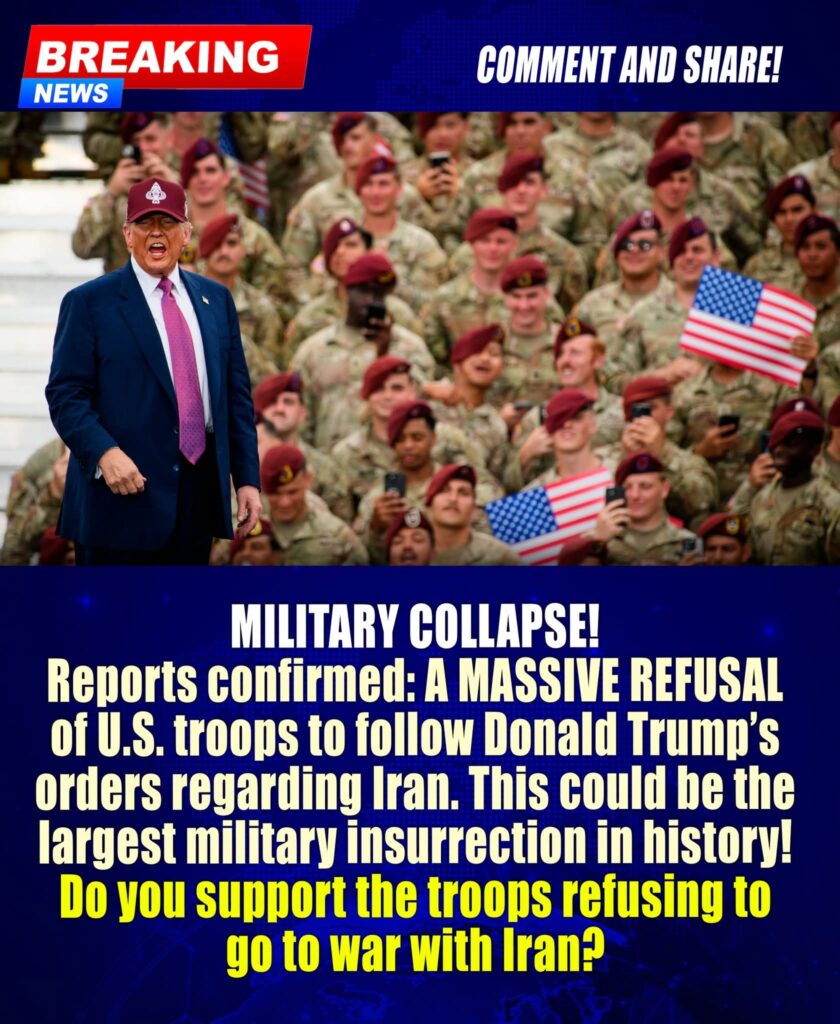 By Suleman Chitera Reports circulating in Washington suggest that some members of the United States military have allegedly refused to…
 - Organisation Pumps K1 Billion into Ramadan Food Aid Programme
 By Suleman Chitera An organisation has injected nearly K1 billion into a nationwide Ramadan food assistance programme that has so…
 - Muluzi Pressures Mutharika to Move Beyond Talk in Fight Against Corruption
 By Suleman Chitera Leader of the Atupele Muluzi has challenged Malawi’s former president Peter Mutharika to move beyond rhetoric and…
 - Former Immigration Director General Brigadier Charles Kalumo Arrested Over Abuse of Office Allegations
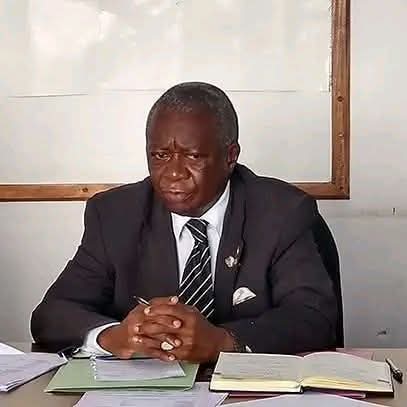 By Our Reoorter Police in Malawi have arrested former Director General of the Department of Immigration and Citizenship Services, Charles…