 Suleman Chitera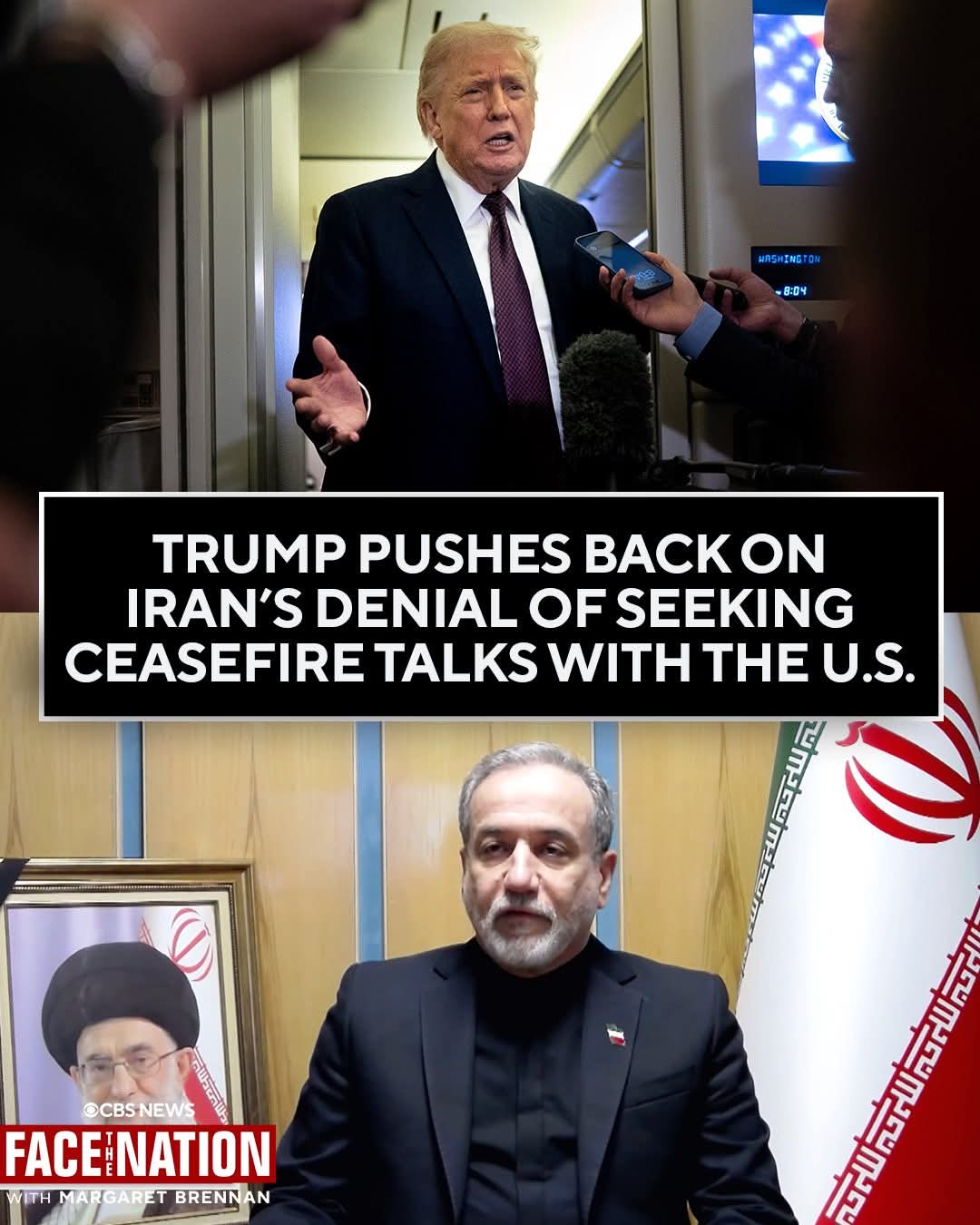
By Suleman Chitera
A sharp war of words has erupted between the United States and Iran, exposing deep divisions and raising fresh doubts over the prospects for diplomacy amid ongoing tensions.
Iran’s Foreign Minister, Abbas Araghchi, категорically dismissed claims that Tehran is seeking negotiations with Washington, insisting that no request for talks or a ceasefire has been made.
Speaking during an interview on CBS’ Face the Nation on Sunday, Araghchi pushed back against assertions by U.S. President Donald Trump that Iran is looking for a deal to end the conflict.
“We never asked for a ceasefire, and we have never asked even for negotiation,” Araghchi said, signaling a hardline stance from Tehran.
But Trump responded with equal force.
While speaking to reporters aboard Air Force One, the U.S. leader dismissed Iran’s position as misleading, accusing Tehran of spreading false narratives.
“Iran is known for a lot of fake news,” Trump said.
He went further on Monday, reiterating that communication between the two countries is ongoing—directly contradicting Iran’s public denial and hinting at possible behind-the-scenes contacts.
The conflicting statements highlight a familiar pattern in U.S.-Iran relations, where public hostility often masks complex and sometimes undisclosed diplomatic maneuvering. Analysts say such contradictions may indicate either strategic posturing or the existence of informal channels both sides are unwilling to acknowledge openly.
The latest exchange comes at a time of heightened geopolitical strain, with fears growing that miscommunication or miscalculation could trigger a broader escalation. Despite the rhetoric, the suggestion of continued contact—if accurate—could signal that neither side has completely shut the door on diplomacy.
For now, however, the gulf between Washington and Tehran remains stark, defined by mutual distrust, competing narratives, and an increasingly volatile political atmosphere.
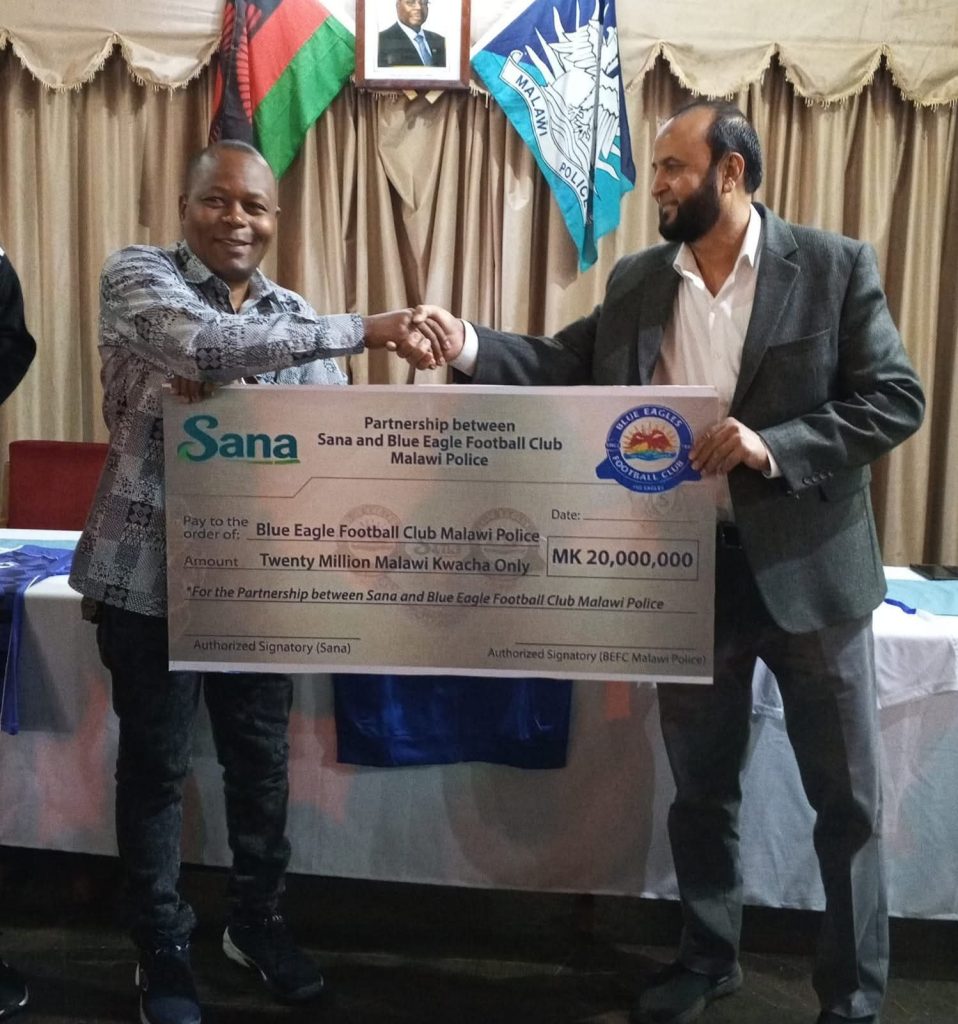
- Blue Eagles FC Secure K100 Million Sponsorship Deal from Sana Cash and Carry
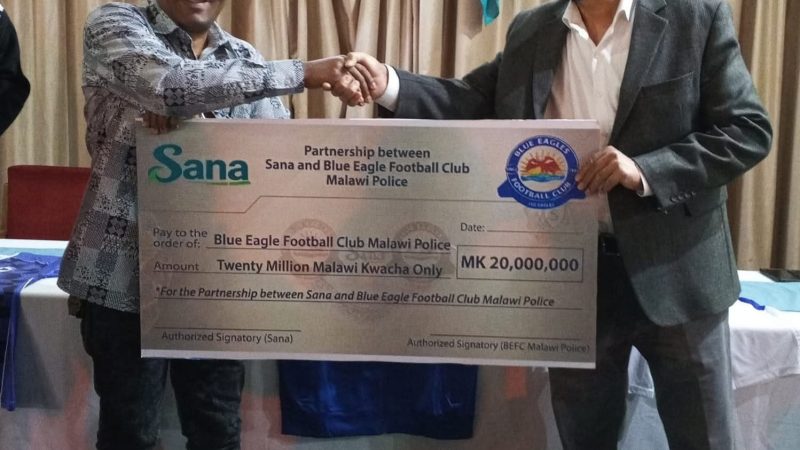
 Share Listen to this article By Suleman Chitera LILONGWE – Blue Eagles FC have received a major financial boost after signing a one-year K100 million sponsorship agreement with retail company Sana Cash and Carry. The sponsorship package is expected to strengthen the club both on and off the pitch as the Malawi Police-sponsored side continues…
 - Moyale Barracks, Masters FC Share Spoils in Thrilling 2-2 Draw
 Share Listen to this article By Sports Reporter Moyale Barracks and Masters FC played out an entertaining 2-2 draw in an FDH Bank Premiership match at Mzuzu Stadium on Saturday. Brown Magaga and Chifundo Makawa found the back of the net for the Lions of Kaning’ina, while Chisomo Mpachika and Stain Davie scored for Masters…
 - Mutharika Birthday: China’s Xi Jinping Sends Personal Gift and Letter to Malawi President
 Share Listen to this article By Suleman Chitera LILONGWE, Malawi — President Professor Arthur Peter Mutharika has marked his birthday with a significant diplomatic gesture after receiving a personal letter and a special gift from Chinese President Xi Jinping, underscoring the enduring friendship and strategic partnership between Malawi and the People’s Republic of China. The…
 - Revolution for Leadership change calls Chakwera to step down
 Share Listen to this article By Vincent Gunde The Revolution for Leadership Change – a Movement for patriotic MCP members, has called on President Dr. Lazarus Chakwera to step down as the party’s leader. The Movement has also asked President Chakwera in line with the party’s Constitution to call for an emergency MCP Convention within…
 - Concerned Citizen urges inquiry team to revisit “painful” testimony of Late Kapheni’s widow
 Share Listen to this article By Vincent Gunde A concerned citizen of Malawi, Mrs. Elizabeth Kaliza Banda of Area 51 in Lilongwe, has called on members of the Commission of Inquiry investigating the plane crash that killed Dr. Saulos Chilima and eight others to revisit the testimony of Mrs. Abdul Lapukeni Kapheni. Kaliza Banda said…
 - President Mutharika Hails China as Xi Jinping Sends Personal Birthday Letter and Gift
 Share Listen to this article By Suleman Chitera LILONGWE, Malawi — President Professor Arthur Peter Mutharika has commended the People’s Republic of China for its unwavering support to Malawi’s development, describing the partnership between the two countries as one that continues to deliver tangible benefits in education, infrastructure, healthcare and the wider economy. The President…
 - Engineer Recommends Demolition of Kamuzu Stadium
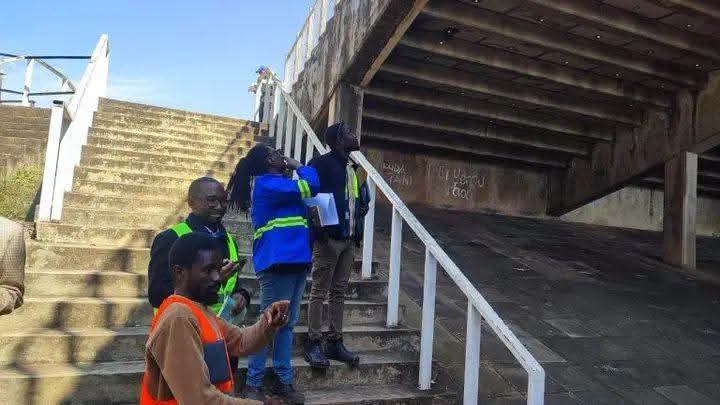
 Share Listen to this article .By Sports Reporter BLANTYRE — A fresh engineering assessment has concluded that Kamuzu Stadium is beyond repair, reinforcing the Football Association of Malawi’s (FAM) long-held position that the country’s iconic football venue is no longer fit to host competitive matches. The assessment, conducted to determine the structural viability of the…
 - South Africa Introduces Mandatory Online Goods and Cash Declaration for All Incoming and Outgoing Travellers
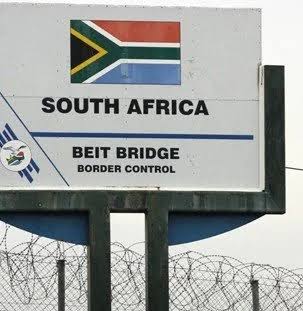
 Share Listen to this article By Suleman Chitera South Africa has launched a mandatory online travel declaration system requiring all travellers entering or leaving the country to declare the goods and cash they are carrying before travelling. According to the South African Department of Home Affairs, the new digital system is aimed at improving border…
 - President Peter Mutharika Urges US to Increase Investment in Malawi’s Agriculture, Mining, Health and Education
 President Peter Mutharika has called on the United States to increase investment in Malawi’s agriculture, mining, health and education during a farewell meeting with outgoing US diplomat Jonathan Fischer.
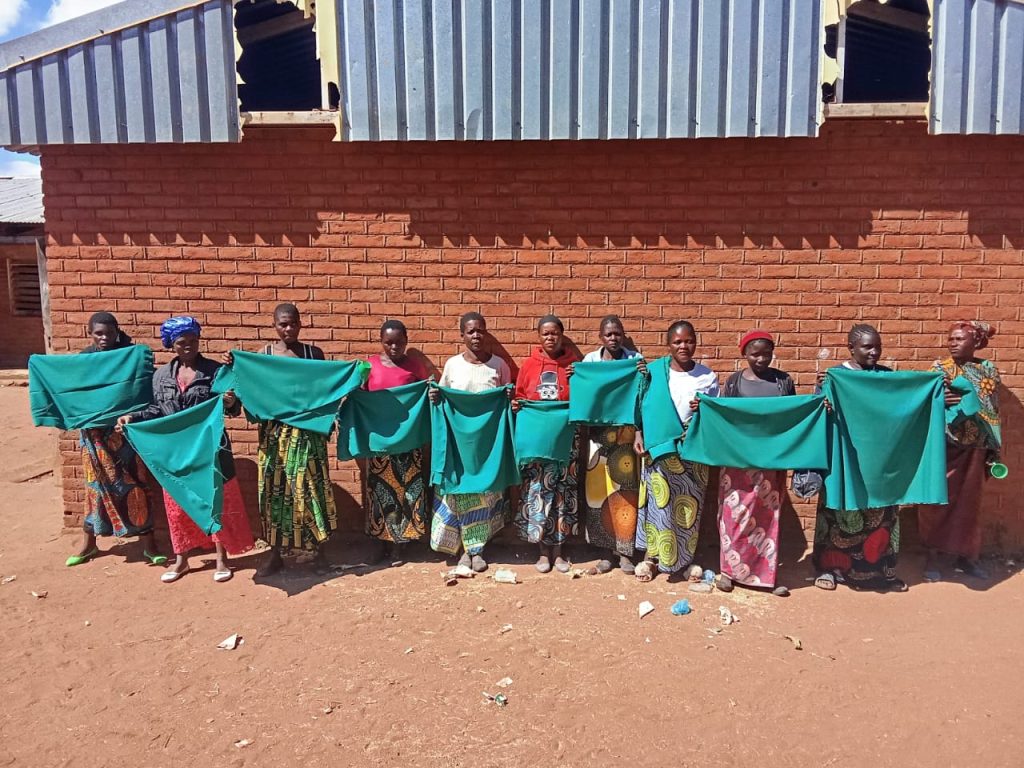
 - Chikowa Primary Learners Get Uniform Lifeline From Dr Jane Ansah FoundationShare Listen to this article By Aaron Dube Dozens of vulnerable pupils at Chikowa Primary School in Chiradzulu District are back in class with dignity after receiving new uniforms donated by the Dr Jane Ansah Foundation. Headteacher Jackson Maseya said the support reached 72 learners from Standard 1 through Standard 7. He added that another…
- MACRA Cracks Down on Airtel Malawi, TNM Over Illegal Tariff Hike, Orders Customer CompensationShare Listen to this article By Staff Reporter The Malawi Communications Regulatory Authority (MACRA) has ordered Airtel Malawi Plc and Telekom Networks Malawi (TNM) to compensate customers after the two mobile network operators increased tariffs without following the legal procedures required under the country’s communications laws. In a directive issued to the companies, MACRA said…
- Bakili Muluzi Donates K10 Million to Namadingo’s Campaign to Bring Home Malawians Fleeing Xenophobic Attacks
 Share Listen to this article By Suleman Chitera Former President Dr. Bakili Muluzi has donated K10 million to support the ongoing campaign to repatriate Malawians displaced by xenophobic attacks in South Africa, giving a major boost to a humanitarian initiative led by musician Patience Namadingo and social activist Stanley Onjezani Kenani.Bakili Muluzi Urges Chakwera to…
 - High Court Dismisses Pacific Limited’s Constitutional Challenge to Malawi Land Laws
 Share Listen to this article By Staff Reporter The High Court sitting as a Constitutional Court in Blantyre has dismissed Pacific Limited’s constitutional challenge against amendments to Malawi’s Land Act and Customary Land Act, upholding the legality of the country’s land reforms. BLANTYRE, The High Court sitting as a Constitutional Court has dismissed a constitutional…
 - Airtel Money Tola Creates More Millionaires as K270 Million Paid Out to Lucky Malawians
 Share Listen to this article By Suleman Chitera The Airtel Money Tola Promotion continues to transform lives across Malawi, with a total of K270 million already paid out to lucky winners since the campaign launched in May. In the ninth weekly draw held in Lilongwe, 303 winners shared K30 million in cash prizes. Three lucky…
 - BREAKING: MEPA Gives Green Light as Napoleon Dzombe’s Fertilizer Plant Cleared to Begin Operations
 Share Listen to this article By Staff Reporter LILONGWE – Malawi’s drive to boost local fertilizer production has received a major lift after the Malawi Environment Protection Authority (MEPA) officially approved Mulalo Granular, a fertilizer manufacturing company owned by businessman Napoleon Dzombe, to begin operations. The approval follows MEPA’s confirmation that the company has satisfied…