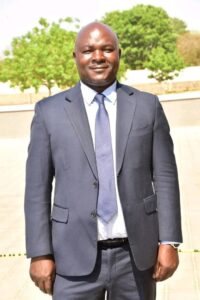
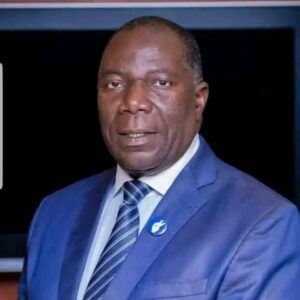
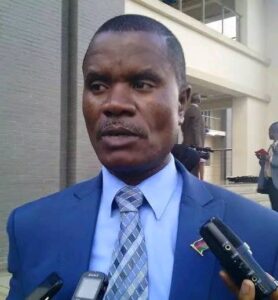
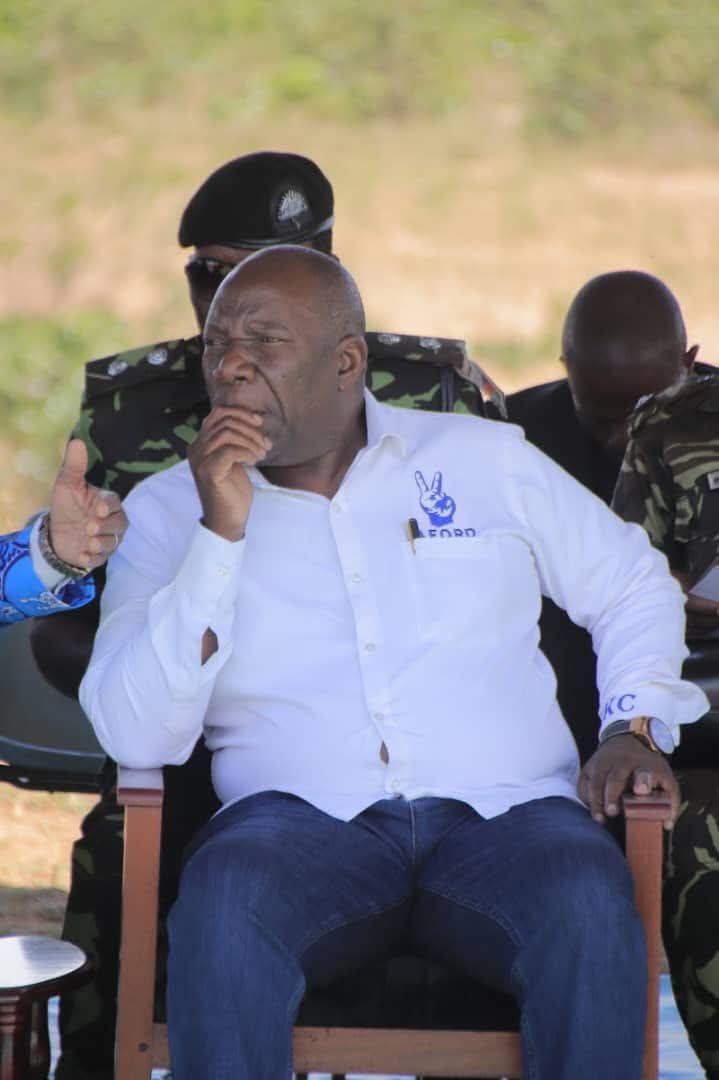
Controversy erupted this week after Jappie Mhango, the Democratic Progressive Party (DPP) Vice President for the Northern Region, came under fire for remarks deemed highly disrespectful toward Malawi’s Second Vice President, Enock Kanzingeni Chihana.
A video circulating from a recent political rally in Rumphi shows Mhango asserting that Chihana “is not a government minister” and implying he would lose his position if he continued to oppose the country’s President. Critics say the comments go far beyond political rivalry and cross the line into personal insult.
The Livingstonia Synod and the Young Politicians Union (YPU) were among the first to condemn Mhango’s remarks, calling them “inappropriate” and warning against the normalization of demeaning language in political discourse. Both organizations have urged politicians to prioritize unity, respect, and tolerance in addressing issues that affect ordinary Malawians.
“The language used by Mhango is unacceptable in any democratic setting,” said a spokesperson from the Livingstonia Synod. “Political disagreement should never justify personal attacks.”
Political analysts warn that such inflammatory remarks could deepen divisions in Malawi’s already tense political landscape, especially as parties prepare for upcoming elections. Observers note that statements targeting high-ranking officials can destabilize political alliances and weaken public trust in governance.
The DPP has yet to respond officially to the backlash, leaving many to question whether party leadership condones such rhetoric from senior figures.
As condemnation continues to mount, voices from civil society and political watchdogs insist that Malawi’s leaders must set a higher standard for debate—one rooted in accountability, civility, and service to the nation rather than petty political attacks.
Listen to this article By Suleman Chitera National Bank of Malawi (NBM) plc has handed over a newly constructed solar-powered water reticulation system to Mikate Health Post in Thyolo, aimed to improve healthcare service delivery. Read moreMalawi Freedom Network advice President Banda to fight corruptionThe donation forms part of the bank’s district council’s K200 million […]
Listen to this article By Suleman Chitera National Bank of Malawi (NBM) plc rewarded 20 customers with Malawi National Women’s Football Team jerseys during the third draw of its Waku WAFCON POS Promotion held at the bank’s Capital City Service Centre in Lilongwe. Read moreMalawi Freedom Network advice President Banda to fight corruptionThe winners walked […]
Listen to this article By Our Reporter The Reserve Bank of Malawi (RBM) has earned US$74 million (approximately K128 billion) from the sale of 600 kilograms of gold, a move that is helping to ease the country’s foreign exchange challenges.Why Are Malawi Cabinet Ministers Silent on Alleged “Gold Shipment to Israel”? Public Demands Answers Grow […]
Listen to this article By Our Reporter TNM Launches Music Star Search: K120 Million Prize and Car to Transform Malawi’s Creative Industry Read moreAllegations of a coup plot sour diplomatic tiesTNM PLC has officially entered the entertainment space with the launch of its Music Star Search, a nationwide talent platform aimed at discovering and nurturing […]
Listen to this article FDH Bank has reaffirmed its commitment to supporting Malawi’s national development after committing K100 billion towards the rehabilitation of the Golomoti–Mangochi Road, a strategic infrastructure project expected to improve transport, stimulate tourism, and strengthen economic growth. Speaking during the official launch of the road construction project on Thursday, FDH Bank Chief […]
Listen to this article By Suleman Chitera Mzuzu City Hammers Coach Chisomo Kamulanje Blames Lack of Confidence for Poor National Division League Form Read moreBiography Of Zuneth SattarMzuzu City Hammers head coach Chisomo Kamulanje has attributed his side’s inconsistent start to the NBS Bank National Division League season to a lack of confidence among his […]
Listen to this article By Staff Reporter Senegal Crash Out of 2026 World Cup After Dramatic 3-2 Extra-Time Defeat to Belgium Read moreLets Not Forget Why US/British Killed Muammar Gaddafi?Senegal’s 2026 FIFA World Cup campaign came to a heartbreaking end after a dramatic 3-2 defeat to Belgium in a Round of 16 clash played at […]
Listen to this article By Our Reporter Malawi Targets Historic CUCSA Games Final After Beating Botswana 1-0 Read moreMalawi business tycoon Simbi Phiri disassociates himself from forming up “Congress for Democrats”The Malawi men’s football team has set its sights on making history at the 2026 Confederation of Universities and Colleges Sports Association (CUCSA) Games in […]
Listen to this article By Suleman Chitera More than 30 foreign nationals, including Malawians and Zimbabweans, have been left stranded in Durban after the temporary repatriation site at the Old Drive-In was officially closed by the local municipality. Read moreBiography Of Zuneth SattarDespite the closure by the eThekwini Municipality, employers continue to drop off foreign […]
Listen to this article By Suleman Chitera Giant alcoholic beverages producer, Castel Malawi has responded swiftly to calls from authorities in Mzuzu to help reduce road traffic accidents involving primary school pupils by investing K10 million in road safety infrastructure and equipment.Castel Malawi strengthens employee welfare, market leadership Read moreAllegations of a coup plot sour […]
Listen to this article By Vincent Gunde Bakili Muluzi TV online television station, says it is now not a secret that Malawi Congress Party (MCP) killed Dr. Saulosi Chilima that they did not want to share the terms of office as agreed between President Dr. Lazarus Chakwera and the late Dr. Saulosi Chilima. Read moreAllegations […]
Listen to this article By Suleman Chitera The National Bank of Malawi (NBM) plc SME Day Exhibition was not only a marketplace for entrepreneurs but also a memorable entertainment spectacle, with thousands of patrons thronging Springs Park in Mzuzu to enjoy electrifying performances by music stars Eli Njuchi and Saint Realest. Read moreAllegations of a […]

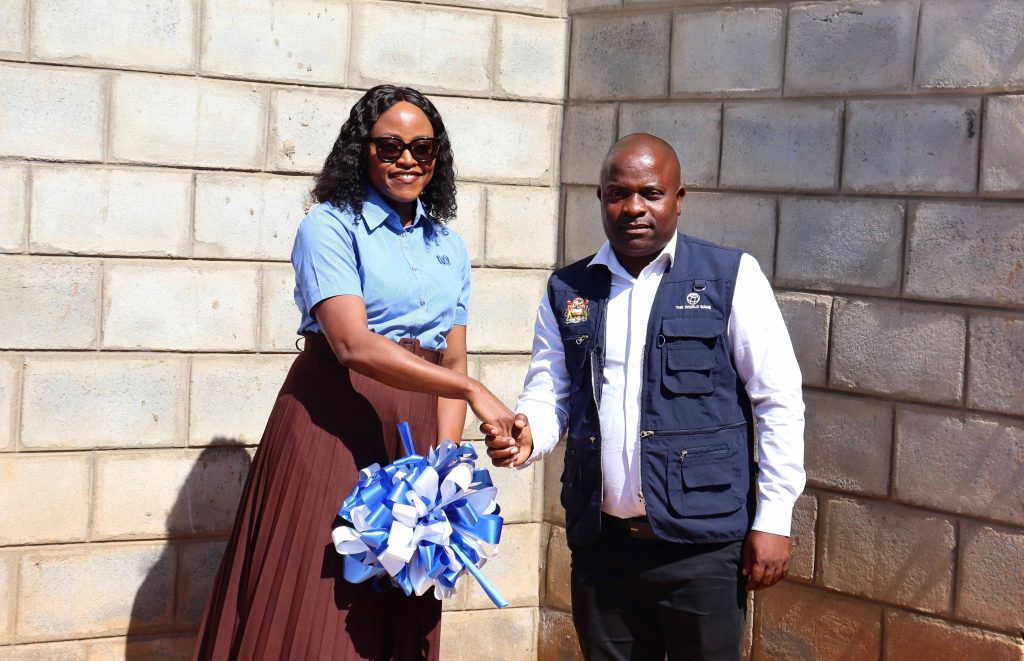 Listen to this article By Suleman Chitera National Bank of Malawi (NBM) plc has handed over a newly constructed solar-powered water reticulation system to Mikate Health Post in Thyolo, aimed to improve healthcare service delivery. Read moreMalawi Freedom Network advice President Banda to fight corruptionThe donation forms part of the bank’s district council’s K200 million […]
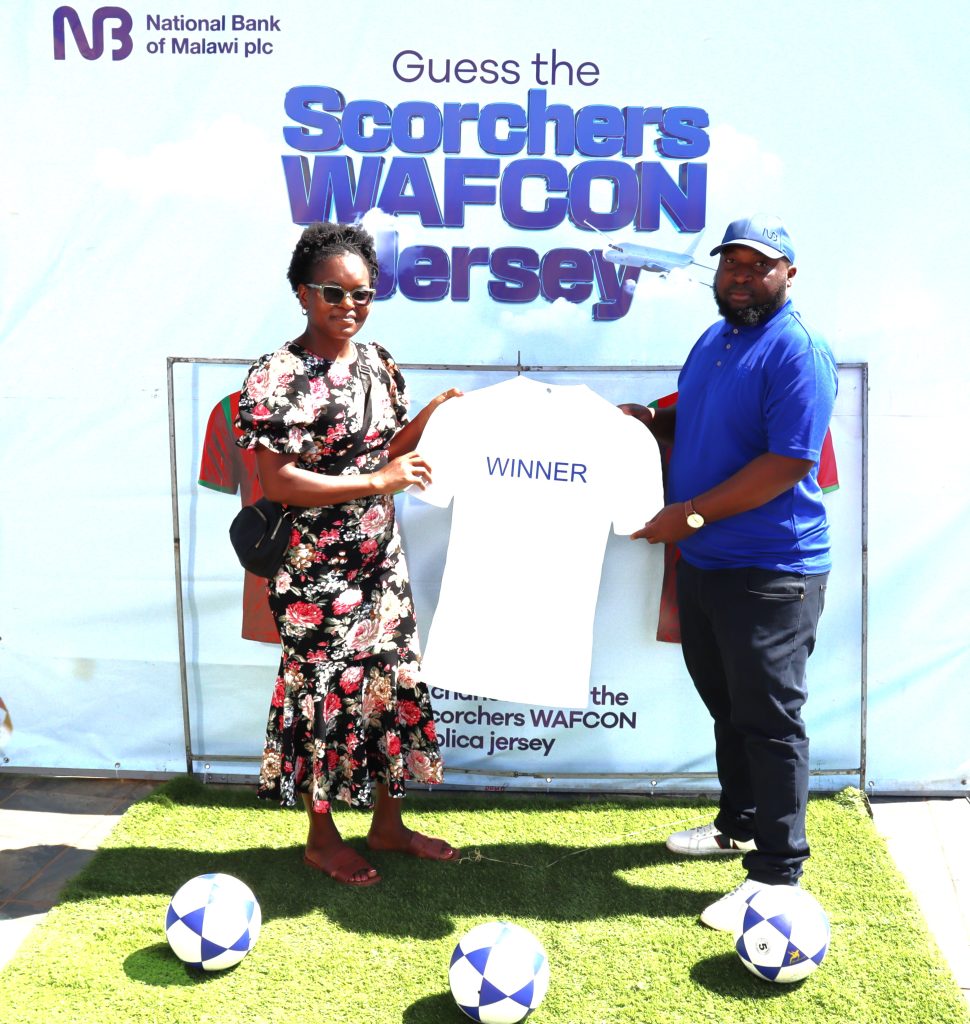 Listen to this article By Suleman Chitera National Bank of Malawi (NBM) plc rewarded 20 customers with Malawi National Women’s Football Team jerseys during the third draw of its Waku WAFCON POS Promotion held at the bank’s Capital City Service Centre in Lilongwe. Read moreMalawi Freedom Network advice President Banda to fight corruptionThe winners walked […]
 Listen to this article By Our Reporter The Reserve Bank of Malawi (RBM) has earned US$74 million (approximately K128 billion) from the sale of 600 kilograms of gold, a move that is helping to ease the country’s foreign exchange challenges.Why Are Malawi Cabinet Ministers Silent on Alleged “Gold Shipment to Israel”? Public Demands Answers Grow […]
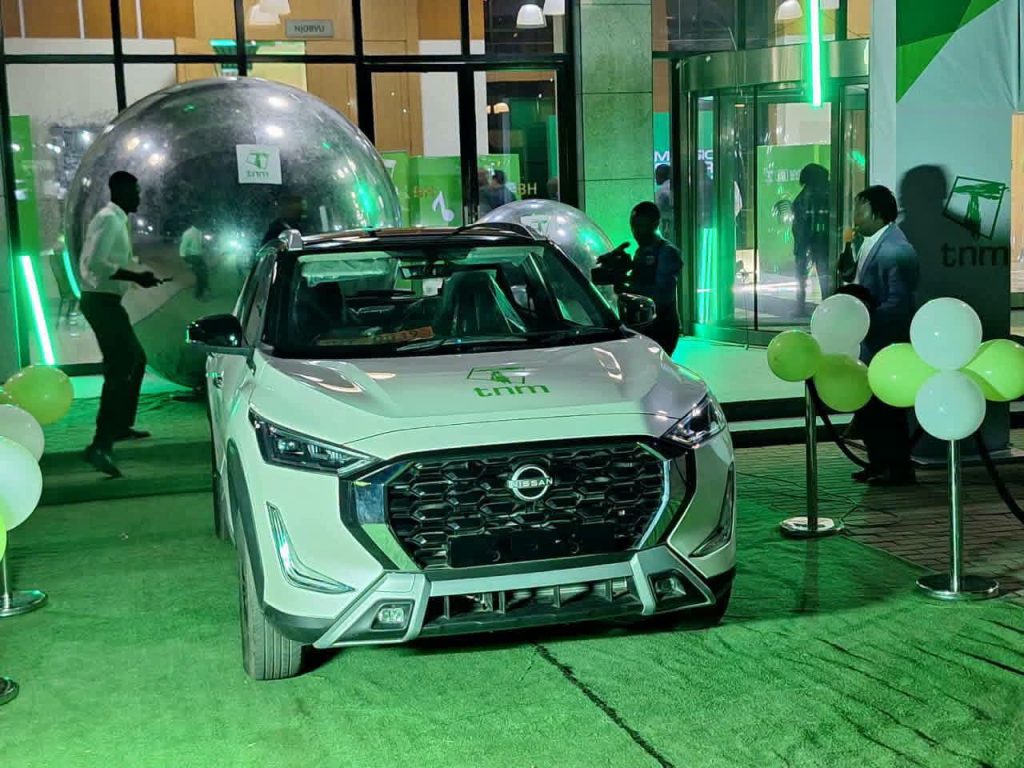 Listen to this article By Our Reporter TNM Launches Music Star Search: K120 Million Prize and Car to Transform Malawi’s Creative Industry Read moreAllegations of a coup plot sour diplomatic tiesTNM PLC has officially entered the entertainment space with the launch of its Music Star Search, a nationwide talent platform aimed at discovering and nurturing […]
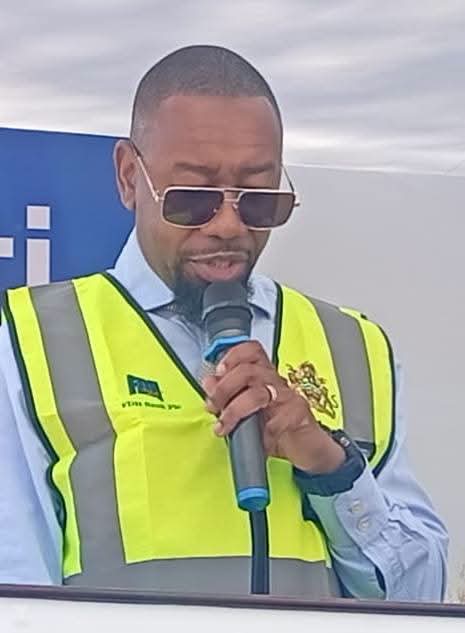 Listen to this article FDH Bank has reaffirmed its commitment to supporting Malawi’s national development after committing K100 billion towards the rehabilitation of the Golomoti–Mangochi Road, a strategic infrastructure project expected to improve transport, stimulate tourism, and strengthen economic growth. Speaking during the official launch of the road construction project on Thursday, FDH Bank Chief […]
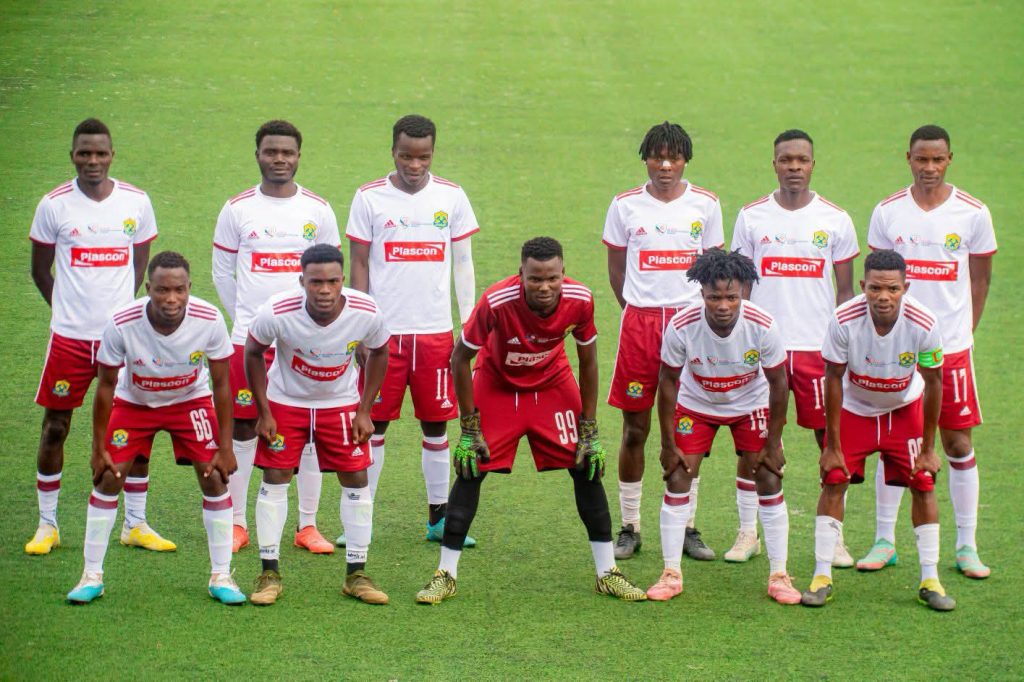 Listen to this article By Suleman Chitera Mzuzu City Hammers Coach Chisomo Kamulanje Blames Lack of Confidence for Poor National Division League Form Read moreBiography Of Zuneth SattarMzuzu City Hammers head coach Chisomo Kamulanje has attributed his side’s inconsistent start to the NBS Bank National Division League season to a lack of confidence among his […]
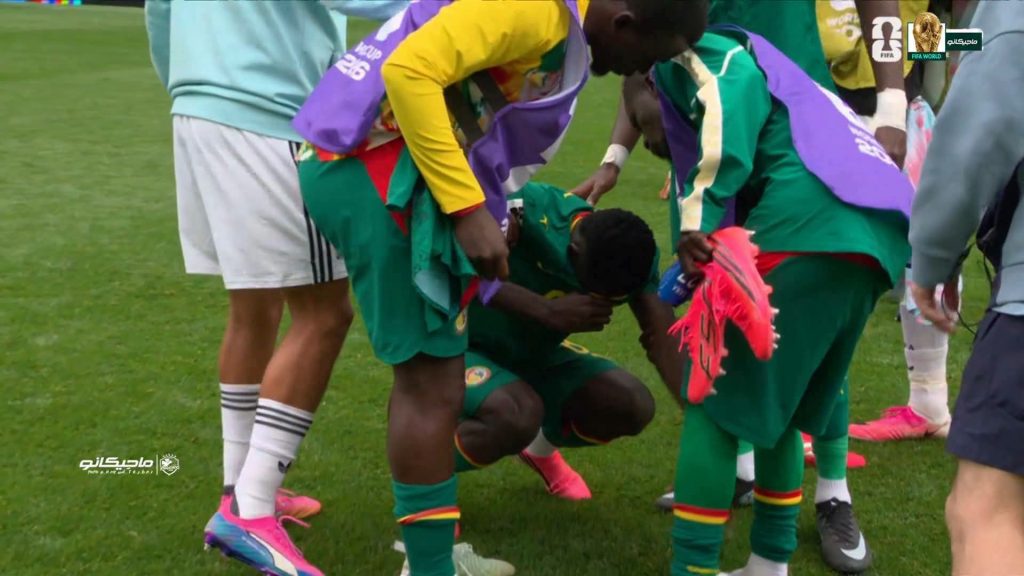 Listen to this article By Staff Reporter Senegal Crash Out of 2026 World Cup After Dramatic 3-2 Extra-Time Defeat to Belgium Read moreLets Not Forget Why US/British Killed Muammar Gaddafi?Senegal’s 2026 FIFA World Cup campaign came to a heartbreaking end after a dramatic 3-2 defeat to Belgium in a Round of 16 clash played at […]
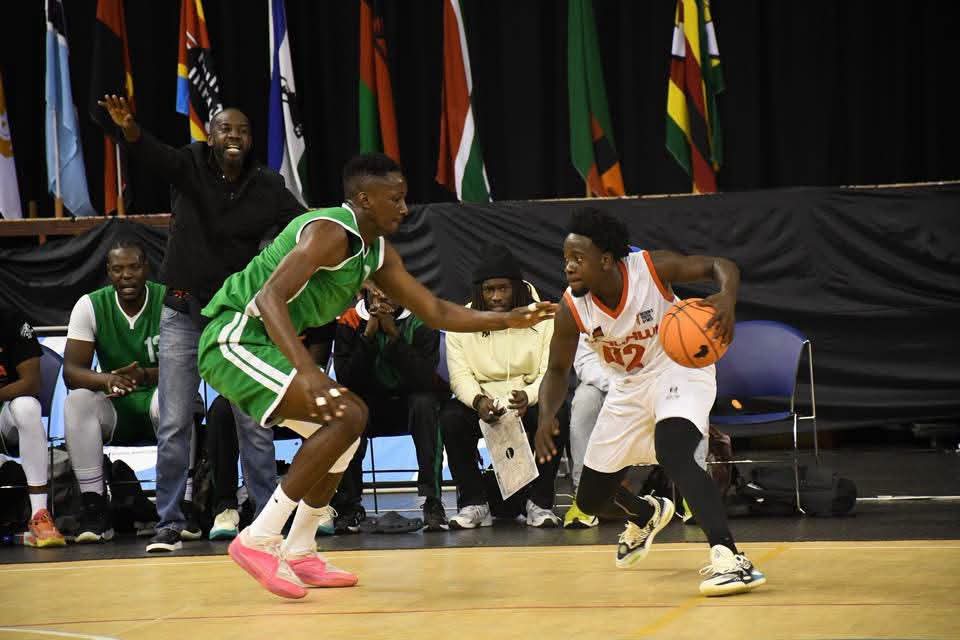 Listen to this article By Our Reporter Malawi Targets Historic CUCSA Games Final After Beating Botswana 1-0 Read moreMalawi business tycoon Simbi Phiri disassociates himself from forming up “Congress for Democrats”The Malawi men’s football team has set its sights on making history at the 2026 Confederation of Universities and Colleges Sports Association (CUCSA) Games in […]
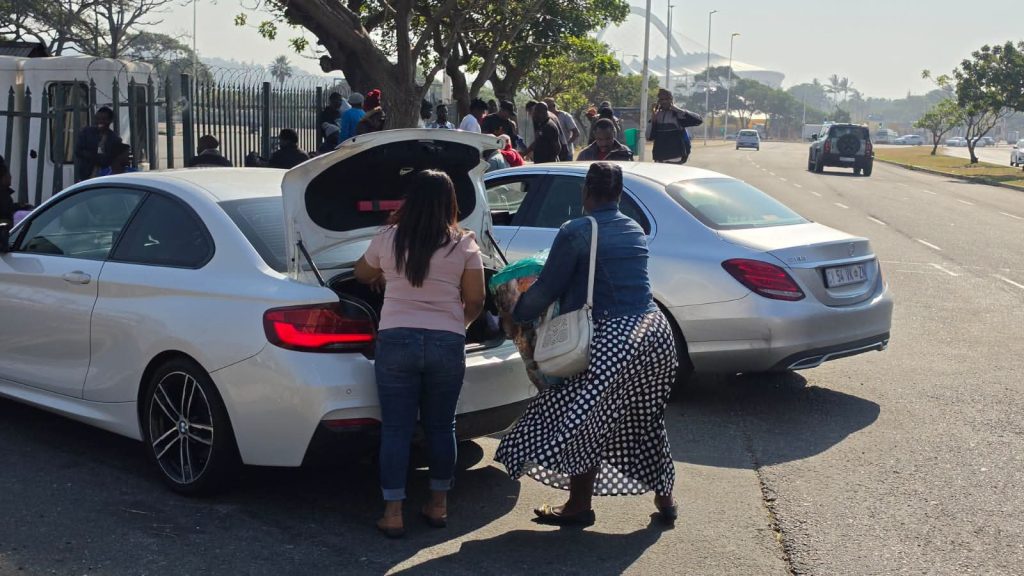 Listen to this article By Suleman Chitera More than 30 foreign nationals, including Malawians and Zimbabweans, have been left stranded in Durban after the temporary repatriation site at the Old Drive-In was officially closed by the local municipality. Read moreBiography Of Zuneth SattarDespite the closure by the eThekwini Municipality, employers continue to drop off foreign […]
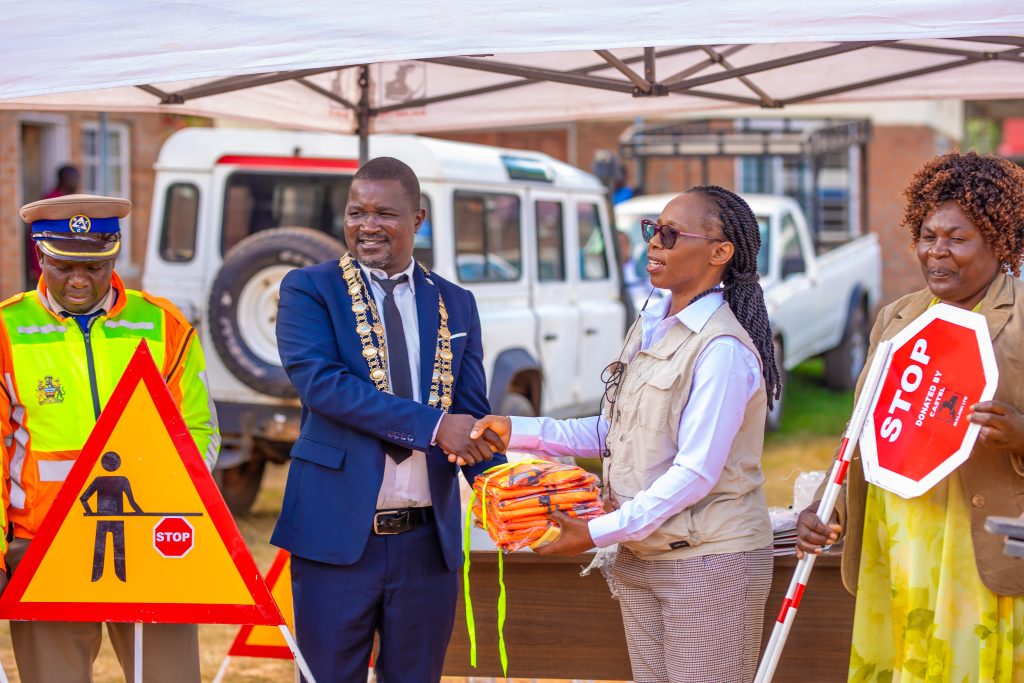 Listen to this article By Suleman Chitera Giant alcoholic beverages producer, Castel Malawi has responded swiftly to calls from authorities in Mzuzu to help reduce road traffic accidents involving primary school pupils by investing K10 million in road safety infrastructure and equipment.Castel Malawi strengthens employee welfare, market leadership Read moreAllegations of a coup plot sour […]
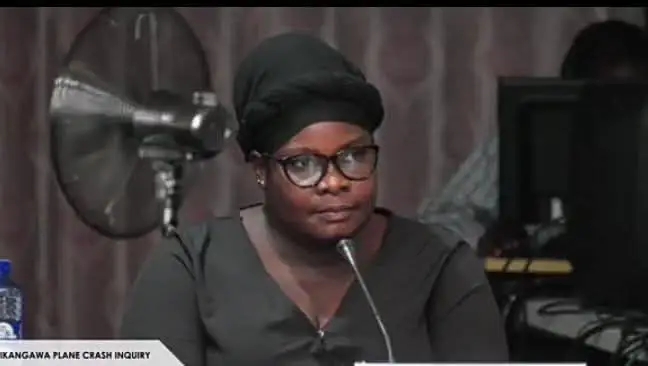 Listen to this article By Vincent Gunde Bakili Muluzi TV online television station, says it is now not a secret that Malawi Congress Party (MCP) killed Dr. Saulosi Chilima that they did not want to share the terms of office as agreed between President Dr. Lazarus Chakwera and the late Dr. Saulosi Chilima. Read moreAllegations […]
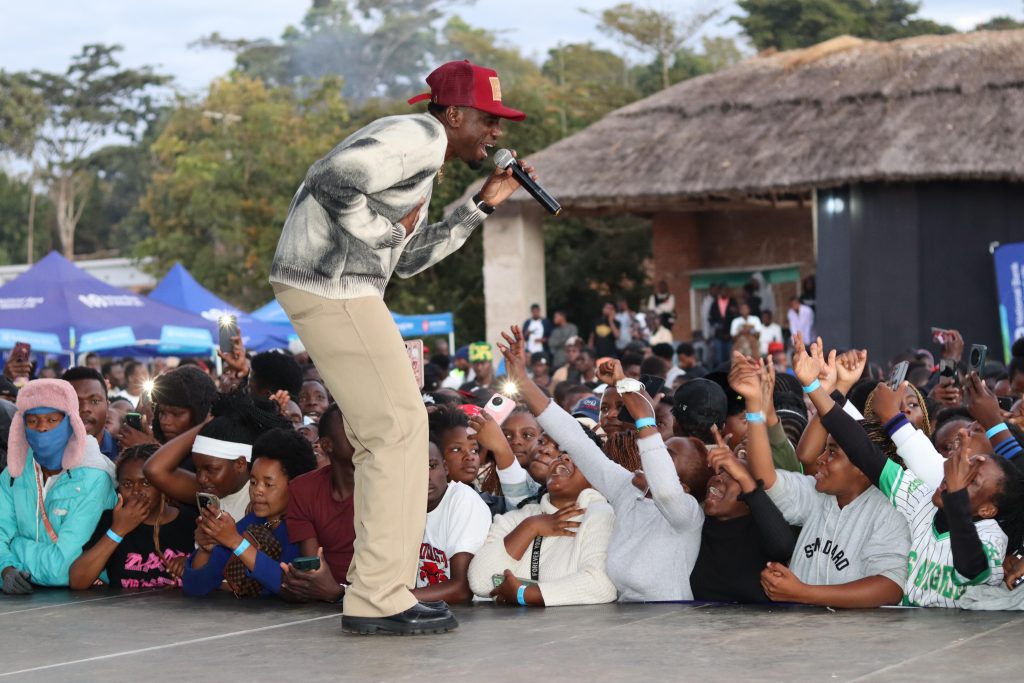 Listen to this article By Suleman Chitera The National Bank of Malawi (NBM) plc SME Day Exhibition was not only a marketplace for entrepreneurs but also a memorable entertainment spectacle, with thousands of patrons thronging Springs Park in Mzuzu to enjoy electrifying performances by music stars Eli Njuchi and Saint Realest. Read moreAllegations of a […]