
By Suleman Chitera
A growing chorus of citizens and political voices has emerged in Malawi, pushing back against what they describe as “unnecessary ultimatums” issued by the Human Rights Defenders Coalition (HRDC) to the administration of President Arthur Peter Mutharika.
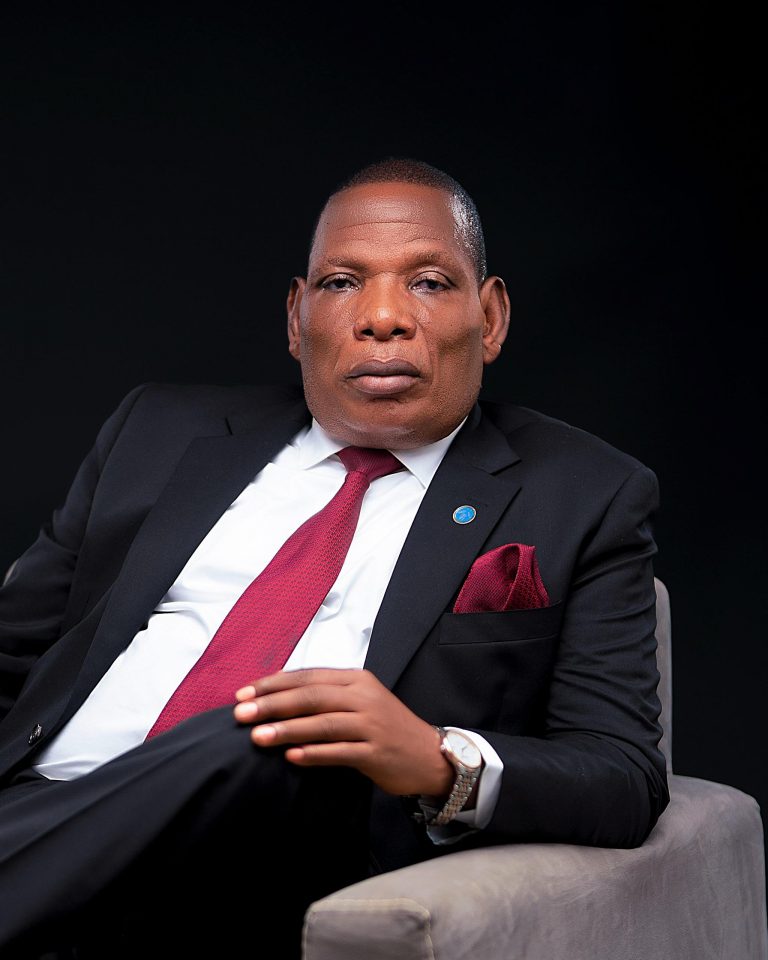
At the center of the criticism is Comrade Bonface Joseph, Acting Secretary General of the Malawi Freedom Fighters Organisation and a key figure within the Democratic Progressive Party (DPP)-aligned grouping, Make Malawi Greater Again (MMGA). In a strongly worded statement, Joseph questioned the effectiveness of HRDC’s approach, arguing that repeated ultimatums and calls for demonstrations are not only unproductive but risk deepening political tensions.
“Demonstrations are not a solution to every issue,” Joseph said. “There must be more constructive and strategic ways of engaging government. If HRDC cannot evolve beyond street pressure, then Malawians will begin to question its relevance.”
Joseph’s remarks reflect a broader sentiment among sections of the public who believe that governance challenges require dialogue, policy engagement, and institutional processes rather than confrontational tactics. He went further to accuse HRDC of veering into partisan territory, alleging proximity to opposition elements linked to the Malawi Congress Party (MCP).
His comments—punctuated by the remark “Azinong’ona ku MCP headquarters ndi ku Area 10”—underscore the increasingly polarized political environment, where civil society actions are often interpreted through a partisan lens.
The controversy stems from a recent HRDC press conference in which the coalition issued an ultimatum to the government, demanding action on a range of governance concerns. While HRDC has historically positioned itself as a watchdog advocating for accountability and democratic reforms, critics like Joseph argue that its current strategy risks alienating the very citizens it claims to represent.
Supporters of the government insist that the administration should be given adequate time to implement its development agenda. They argue that constant pressure through public demonstrations may disrupt progress and create unnecessary instability.
However, HRDC has consistently defended its methods, maintaining that public pressure remains a legitimate and necessary tool in holding those in power accountable—especially in contexts where institutional checks and balances may be perceived as weak.
The debate now unfolding highlights a deeper national question: what is the most effective path to accountability and development in Malawi? While civil society organizations like HRDC emphasize activism and public mobilization, government-aligned voices are calling for patience and structured engagement.
As voices like Joseph’s grow louder, it is clear that the relationship between civil society and the state is entering a new, more contested phase—one that will likely shape Malawi’s political discourse in the months ahead.
- Israel Turns to Decades-Old Weapons as War with Iran Intensifies
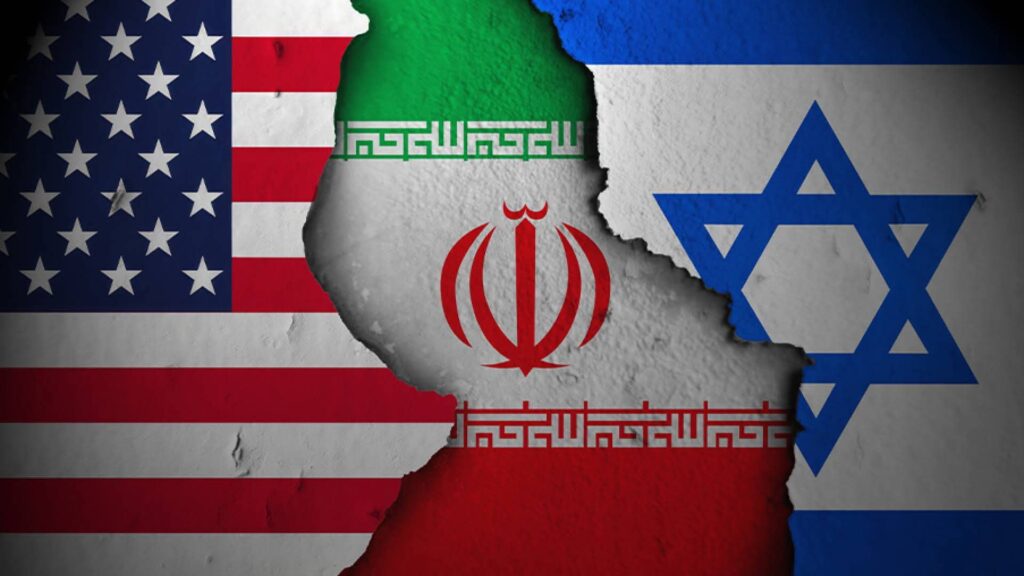 By Suleman Chitera As the conflict between Israel and Iran escalates, new reports suggest that Israeli forces have begun deploying…
 - Citizens Push Back as HRDC Issues ‘Ultimatums’ to APM Government
 By Suleman Chitera A growing chorus of citizens and political voices has emerged in Malawi, pushing back against what they…
 - Honeymoon is over: Iran warns Israel And US — gloves are off
 By Suleman Chitera The illusion of restraint is gone. The warnings are over. The diplomacy is dead. Iran has now…
 - Iran Issues Stark Warning After Ramadan: “Now We Strike Back”By Suleman Chitera Iran has delivered one of its strongest statements yet in the ongoing conflict with Israel and the…
- Global Pressure Mounts as Netanyahu Urges World to Join War Against Iran
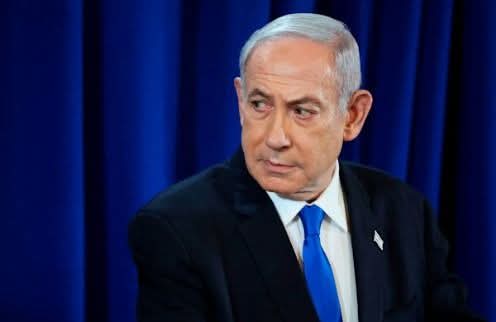 By Suleman Chitera Prime Minister of Israel, Benjamin Netanyahu, has intensified global rhetoric by calling on world leaders to actively…
 - Concerned citizen calls government to arrest Chakwera for K28 trillion debt
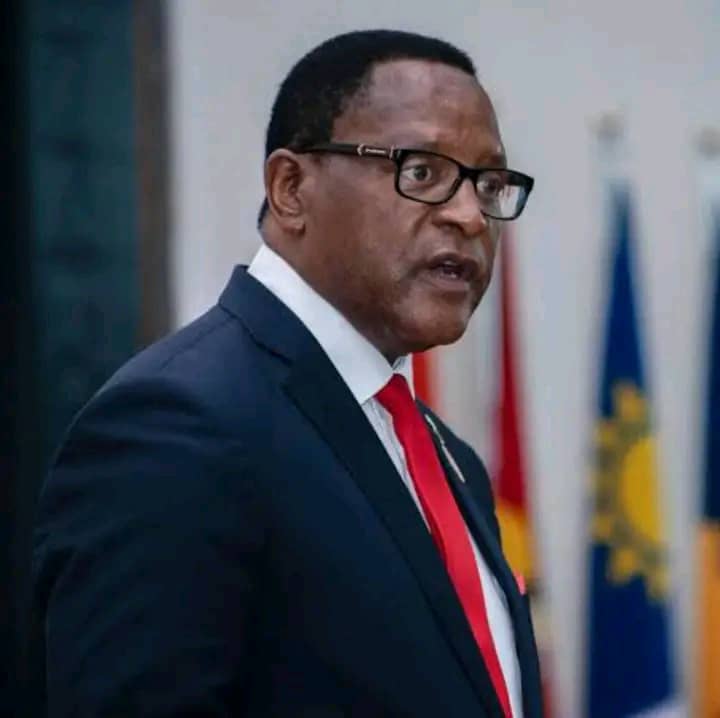 By Vincent Gunde A concerned citizen of Malawi Mrs. Elizabeth Kaliza Banda of Area 51 in Lilongwe, has called on…
 - Missile Strikes Rock Southern Israel as Netanyahu Vows Broad Retaliation
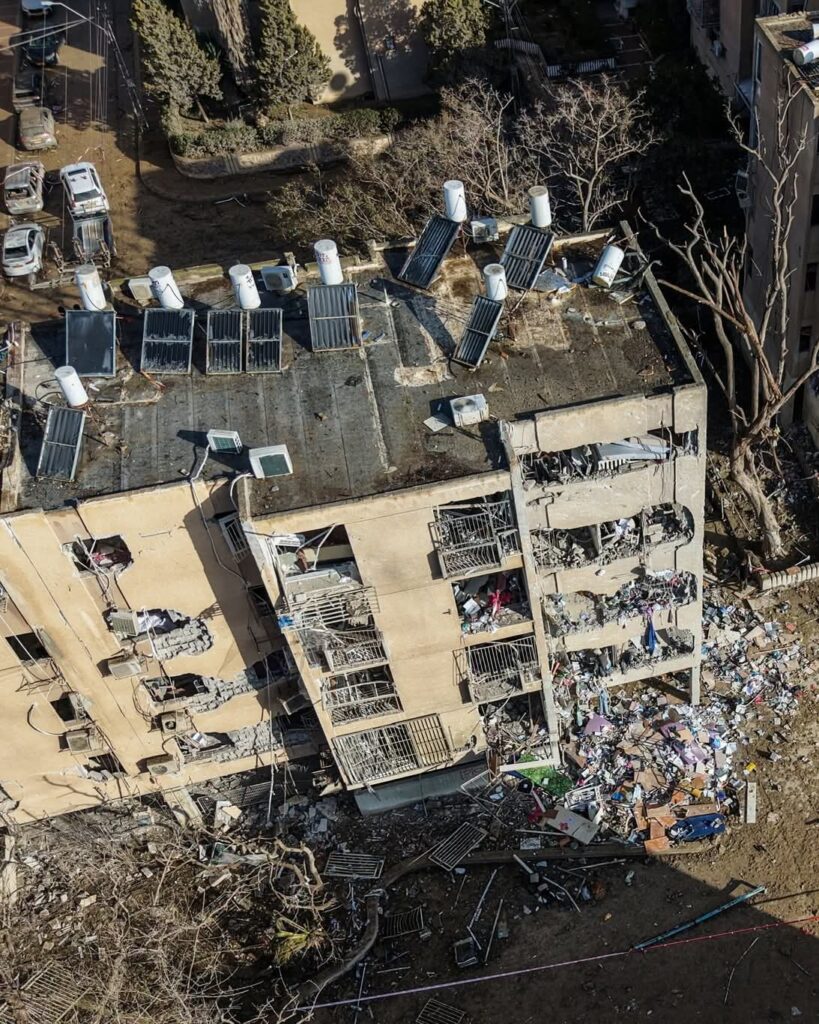 By Suleman Chitera Southern Israel was rocked by one of the most destructive attacks in the ongoing three-week conflict after…
 - HRDC is Part In K21 Trillion Scandal
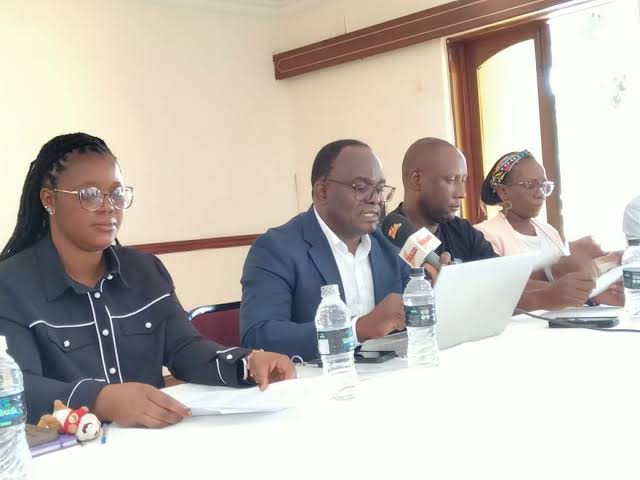 By Kumaliopa Mawa The narrative around Malawi’s ballooning debt is no longer just an economic issue—it is a question of…
 - Economic truth vs political noise: Why attacks on Mwanamveka are no accident
 By Suleman Chitera Malawians must begin to separate political theatre from economic reality. What is unfolding now—persistent attacks, rumors, and…
 - Malawians Will Not Be Misled Again: Questions Over HRDC’s Role in National Stability
 By Suleman Chitera As Malawi continues on what many see as a path toward economic and political recovery, a growing…
 - Kambanje Blasts HRDC, Warns Against “Manufactured Pressure” on Mutharika
 By Suleman Chitera A political storm is brewing following sharp remarks by Kambanje, a leader of the Concerned Citizens grouping,…
 - MCP propagandist thanks Kabambe for attending Eid Mubarak prayers
 By Vincent Gunde Malawi Congress Party ( MCP) Chief Propagandist Dickson ” Ndiope Ndani?” Kashoti, has thanked UTM President Dr.…
 - Mwanamvekha Continues to Demonstrate Strong Leadership in Finance and Development
 By Suleman Chitera The Minister of Finance and Economic Planning, Joseph Mwanamvekha, continues to stand out as one of the…
 - Kenani thanks Malawians for fighting Amaryllis Hotel sale
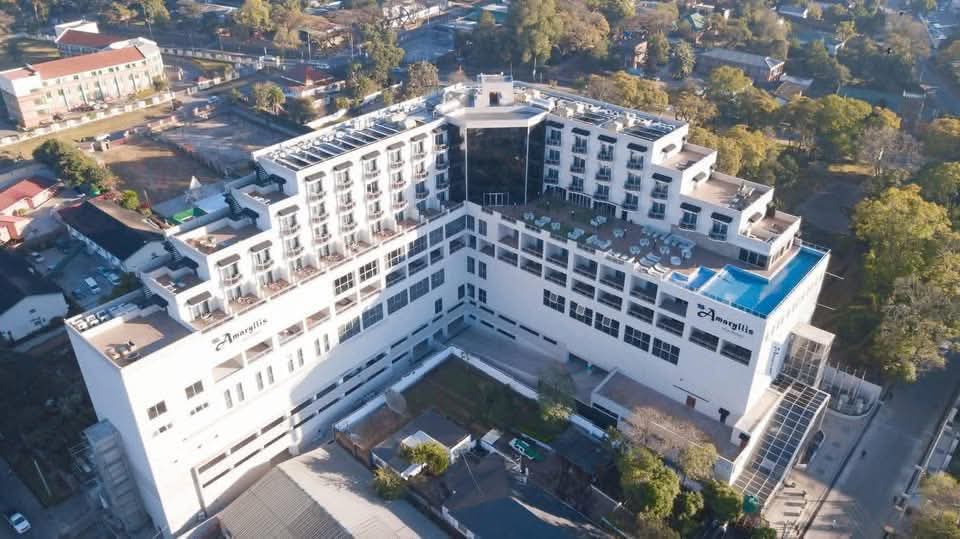 By Vincent Gunde Social commentator Stanley Onjezani Kenani, has thanked Malawians for coming out speaking on Amaryllis Hotel sale saying…
 - Trump Suggests Iran Conflict Could Be Resolved, Calls for Strait of Hormuz Protection by User NationsBy Suleman Chitera Washington, D.C. — Former U.S. President Donald Trump on Thursday signaled that he is exploring ways to…
- HRDC Accused of Targeting Mutharika in Politically Charged Campaign — Chitera Speaks OutBy Staff Reporter A growing wave of criticism is being directed at the Human Rights Defenders Coalition (HRDC), with allegations…
- Kamphangala accuses Parliament of politicizing Chilima’s inquiry
 By Vincent Gunde A Malawi Congress Party ( MCP) diehard of Mvera in Dowa district Mr. Rodgers Kamphangala, says he…