From district hospitals in rural communities to major referral facilities in cities like Lilongwe, Blantyre, Mzuzu, and Zomba, ordinary citizens depend heavily on government healthcare services because private medical care remains too expensive for most families.Nurse Jailed Three Years for Assaulting Patient at Zomba Mental Hospital
But behind the walls of these hospitals lies a painful reality rarely fully understood by the public — a healthcare system under enormous pressure.
Patients sleep on floors due to overcrowded wards. Guardians spend nights outside hospitals searching for medicine that should be freely available. Nurses work exhausting shifts with limited resources, while doctors struggle to save lives in facilities facing chronic shortages of drugs, equipment, and staff.NBM plc commits K317 Million for Malamulo Hospital power project
Across Malawi, the challenges inside public hospitals have become more than isolated problems. They now reflect a deeper national crisis affecting healthcare delivery, public confidence, and ultimately human lives.
Reports from various health facilities show shortages of antibiotics, painkillers, TB drugs, hypertension medication, diabetes drugs, and surgical supplies. In some hospitals, patients have reportedly been asked to buy gloves, syringes, and other medical necessities themselves.
According to reports, some private clinics and pharmacies have allegedly been found selling drugs originally meant for free public distribution.
Overworked and Understaffed
Beyond medicine shortages, Malawi’s hospitals face severe staffing challenges.
Doctors, nurses, laboratory technicians, and support staff are often overwhelmed by huge patient numbers. In many hospitals, one healthcare worker may attend to dozens of patients within a short period.
This pressure affects both the quality of care and the wellbeing of health workers themselves.
In rural hospitals especially, the shortage of specialists remains alarming. Patients requiring specialized treatment are often referred to central hospitals already struggling with congestion and limited bed space.
The result is delayed treatment, overcrowded emergency rooms, and long waiting hours for patients.
Hospitals Operating With Broken Equipment
In several facilities, medical personnel are forced to improvise because critical equipment is either unavailable or non-functional.
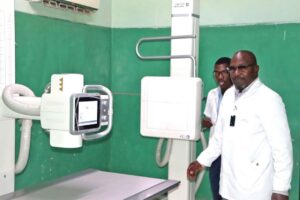
Some hospitals reportedly operate with broken diagnostic machines, insufficient theatre equipment, and inadequate ambulances. Reports from district hospitals have highlighted situations where surgeries were delayed because essential theatre machines stopped functioning.
Healthcare workers say equipment breakdowns delay diagnosis and treatment, especially for patients suffering from chronic illnesses such as diabetes, hypertension, and cancer.
In many cases, patients are referred elsewhere, forcing families to spend additional money on transport and accommodation.
The Human Cost Behind the Crisis
While statistics and reports paint one picture, the true burden is carried by ordinary Malawians.
Pregnant women travel long distances only to find overcrowded maternity wards. Guardians sleep outside hospitals for days while caring for sick relatives. Critically ill patients wait hours before receiving attention due to congestion and staff shortages.
For low-income families, every hospital visit can become financially devastating.
Some sell livestock or household property to buy medication privately. Others abandon treatment altogether because they simply cannot afford it.
Healthcare advocates warn that these struggles contribute to preventable deaths, rising maternal mortality, worsening chronic illnesses, and declining public trust in government hospitals.
Recent concerns over mpox, tuberculosis, malaria, and other communicable diseases have exposed weaknesses in hospital preparedness, testing capacity, and medicine availability.
The reduction in international donor support has further complicated the situation, particularly in programs linked to HIV/AIDS and tuberculosis treatment. Health experts warn that continued shortages could reverse years of progress in disease control.
Corruption and Accountability Concerns
Another hidden struggle inside public hospitals is the issue of accountability.
Citizens and civil society groups have repeatedly raised concerns over alleged corruption, procurement irregularities, and theft of medical supplies.
Questions continue to emerge about how hospitals run out of essential drugs despite large public health budgets and donor support.
Experts argue that without stronger accountability systems, improved procurement transparency, and better monitoring of medicine distribution, shortages will persist regardless of increased funding.
Yet Health Workers Continue Fighting
Despite the enormous difficulties, many healthcare workers continue serving patients under extremely challenging conditions.
Doctors and nurses regularly work beyond their scheduled hours. Some improvise treatments using limited resources while others personally assist vulnerable patients unable to afford basic necessities.
Their dedication often keeps the fragile system functioning even when conditions become unbearable.
Many citizens acknowledge that while the system itself is struggling, countless frontline workers continue sacrificing their comfort to save lives.
The Need for Urgent Reform
Healthcare experts say Malawi urgently needs long-term investment in:
For millions of Malawians, public hospitals remain the only line between life and death.
But behind the crowded waiting rooms and long queues lies a system fighting to survive — one where patients, guardians, and healthcare workers endure hidden struggles every single day.