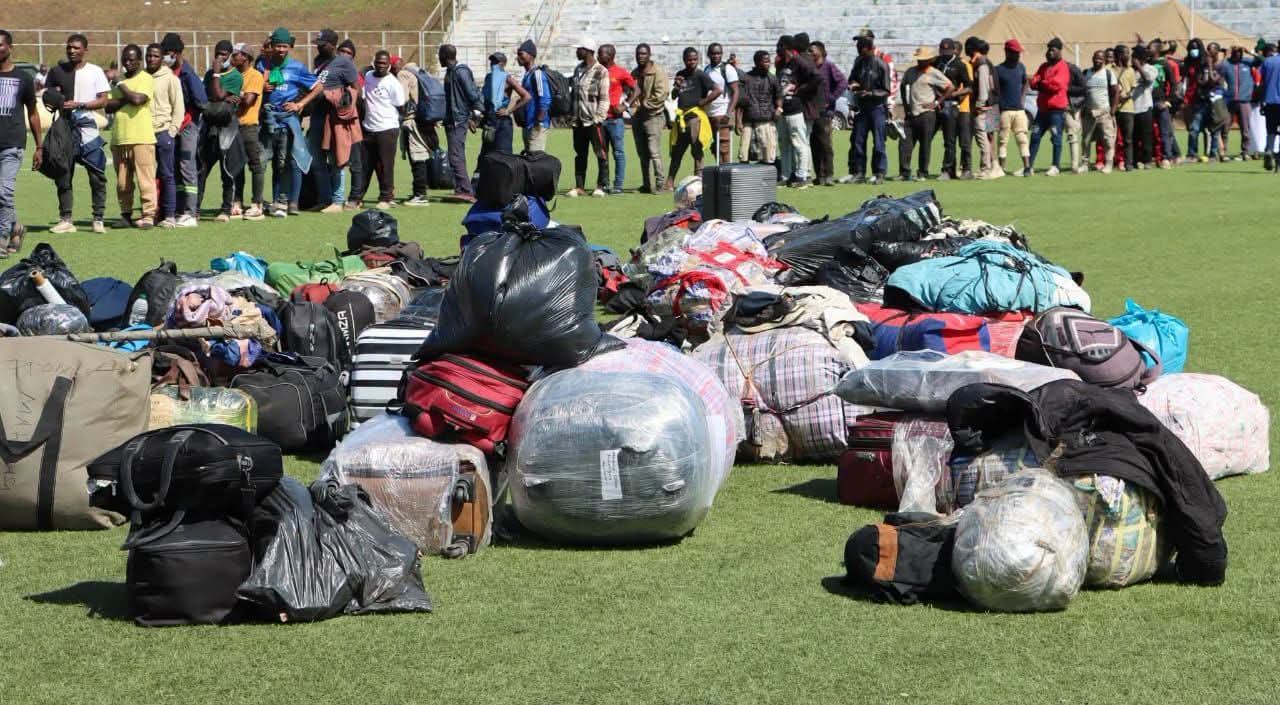
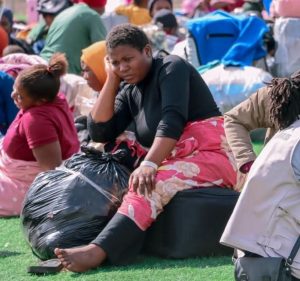
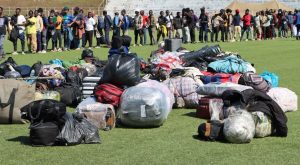
Hundreds of Malawians returning home from South Africa following recent xenophobic attacks are facing the difficult task of rebuilding their lives after losing jobs, businesses and personal belongings. While humanitarian organisations and the Malawi Government have stepped in to facilitate their safe return, many returnees are now calling for long-term support to help them reintegrate into society and regain their livelihoods.
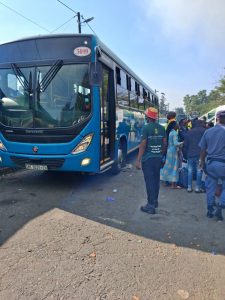
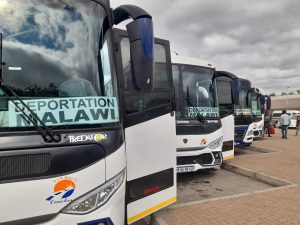
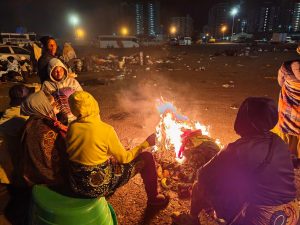
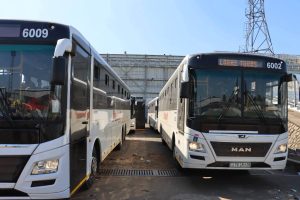
The repatriation exercise, coordinated by humanitarian organisation Gift of the Givers in collaboration with the Malawi High Commission in South Africa, has seen several buses transport displaced Malawians back home. The operation follows a wave of violence that forced many foreign nationals to flee their homes and seek temporary shelter.
Some had lived and worked in South Africa for more than a decade, supporting families in Malawi through regular remittances. Their sudden return has left many households uncertain about their financial future.
Community leaders say the loss of income will be felt not only by the returnees but also by relatives who depended on money sent from abroad for school fees, food and healthcare.
Government Response
The Malawi Government, through the Ministry of Foreign Affairs and other relevant agencies, has been working alongside the Malawi High Commission in Pretoria to facilitate the safe return of affected citizens.
Officials have coordinated documentation, transport logistics and border clearance to ensure stranded Malawians are able to return home safely.
Upon arrival, returnees are expected to receive basic assistance, including temporary accommodation where necessary, food support and referrals to relevant government departments.
Authorities have also pledged to continue engaging the South African Government through diplomatic channels to safeguard the rights and welfare of Malawian nationals living in the country.
The humanitarian organisation has worked closely with Malawi’s diplomatic mission to identify those in need of assistance, process travel documentation and organise buses for the repatriation exercise.
Humanitarian agencies say immediate needs include food, shelter, clothing, counselling and medical care for vulnerable families who experienced traumatic events during the attacks.
While returning home offers safety, rebuilding a livelihood presents a major challenge.
Many returnees now face unemployment in a country already struggling with limited job opportunities. Others hope to restart small businesses but lack the capital needed to begin again.
Such programmes could include vocational skills training, access to microfinance, agricultural support, entrepreneurship grants and job placement initiatives.
Without sustained support, experts warn that some returnees may consider migrating again despite the risks.
The Role of Communities
Traditional leaders, churches, civil society organisations and local communities are also expected to play an important role in helping returnees reintegrate.
Community-based support can ease the transition by helping families find accommodation, reconnect with relatives and access available government services.
Mental health support is also likely to be critical, particularly for those who witnessed violence, lost loved ones or experienced significant trauma during the attacks.
Looking Ahead
The latest repatriation highlights the vulnerability faced by migrant workers across the region and underscores the importance of regional cooperation to protect foreign nationals.
For many families, rebuilding their lives will require more than safe transportation. It will depend on sustained government support, humanitarian assistance and community solidarity that enables them to regain dignity, secure employment and provide for their loved ones once again.
The experiences of these returning Malawians serve as a reminder that migration often comes with significant risks, and that protecting citizens abroad remains an important responsibility for governments across Southern Africa. As Malawi welcomes its citizens home, the focus now turns to ensuring they have the opportunities and support needed to rebuild their lives and contribute meaningfully to the country’s economic and social development.