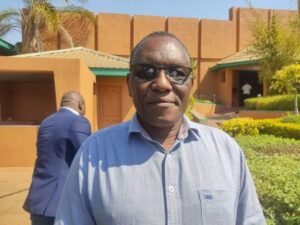
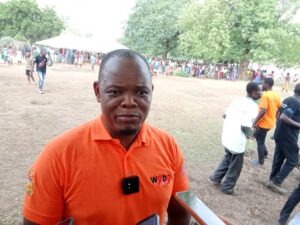
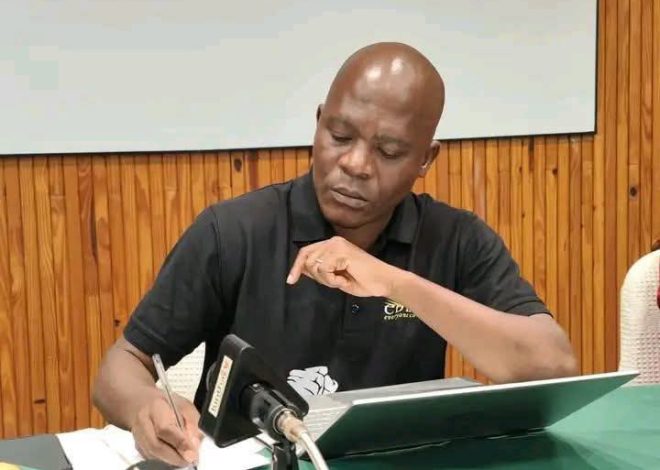
Dowa District Council’s Principal Nutrition, HIV and AIDS Officer, Noel Chikumbu, has emphasized that community engagement—empowering care groups, youth clubs, and traditional leaders—ensures interventions are culturally acceptable and sustainable.
Chikumbu explained that when local leaders advocate for nutrition, sustainability and ownership of projects are strengthened saying the creation of a business model linking nutrition structures to Savings and Loans Groups has transformed caregivers from dependents into self‑reliant economic actors.Dowa Council Water sector conducts DCT validation on water points
Speaking during a stakeholders’ meeting to present a progress report on the multi‑sectoral nutrition programme aimed at reducing stunting in the district, Chikumbu said the initiative targeted 121,821 children under five and 310,000 adolescents.
He said the programme implemented activities across thematic areas including maternal nutrition, social protection, WASH, food systems, coordination, infant and young child feeding (Thanzi sessions), and Social and Behaviour Change Communication (SBCC).
The officer said the programme has expanded the number of frontline workers trained in Balanced Energy Protein from 350 to 727. In Community‑Led Complementary Feeding Learning (CCFL) sessions, 300 children were assessed across 12 sites, 168 children at risk of and with Moderate Acute Malnutrition, participated admitted, and 4 referred with in the Thanzi sessions.severe acute malnutrition.Senior Citizen Urges Malawian Parliament to Strengthen Oversight After Supreme Court Finance Bank Ruling
“The programme has integrated WASH infrastructure by operationalizing hygiene with multi‑tap hand‑washing stations at critical community sites,” Chikumbu said.
He acknowledged challenges such as fuel scarcity and unpredictable availability of operational vehicles, but stressed that the programme has created sustainability pathways. Districts including Dedza, Balaka, and Ntcheu have conducted exchange visits to learn from Dowa’s successful Nutrition Sensitive Social Protection (NSSP) framework.
According to Chikumbu, the programme has elevated nutrition visibility and contributed to a tangible reduction in children referred for severe acute malnutrition.