

Poor inmates with minor cases rot in cells
By Suleman Chitera
In Malawi’s justice system, poverty often decides who walks free and who remains behind bars. While the Constitution promises equal protection under the law, reality shows a starkly different picture: hundreds of poor Malawians languish in police cells and prisons over minor offences — many of which should not even attract custodial sentences.
A NIGHT IN A POLICE CELL FOR A K5,000 DISPUTE
At Mangochi Police Station, 28-year-old fisherman James (not his real name) has spent three nights in custody. His crime: failing to pay back K5,000 he borrowed from a neighbour. A matter that could easily be settled by a village head, mediation, or a civil claim has instead become a criminal case — simply because James had no lawyer, no influence, and no money to bribe his way out.
“I told them I will pay when I sell my fish. They said no. I am still here because I have no one,” he says through the cell bars.
MINOR OFFENCES, MAJOR CONSEQUENCES
Across Malawi’s courts, petty offences — such as common assault, small thefts, disagreements, and unpaid debts — frequently lead to unnecessary arrests. Those who can afford lawyers secure bail within hours. The poor wait days or weeks, often without being informed of their rights.
At Blantyre Magistrate Court, a clerk admitted privately that many suspects “stay longer in custody than the offence they are charged with.”
Some cases are so minor that the punishment, if found guilty, is merely a caution or a fine lower than the cost of transport to court.
PRISONS FULL OF PEOPLE WHO SHOULD NOT BE THERE
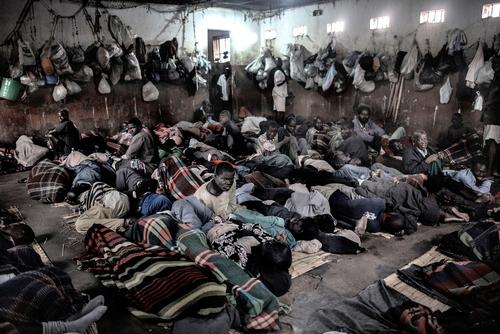
Malawi’s prisons — originally built for 6,000 inmates but now holding more than 14,000 — are packed with remandees who have not yet been tried. A significant number are accused of minor offences.
Prison officers say the system is overwhelmed.
“We keep people here for stealing tomatoes, for insulting a neighbour, for fighting over land boundaries. These are not criminals,” a senior officer at Zomba Central Prison said on condition of anonymity.
Some remandees stay longer awaiting trial than the maximum sentence the law provides.
WHEN JUSTICE DEPENDS ON MONEY
Bail conditions often expose the inequality even further. Courts regularly ask for cash bonds or sureties that the poor cannot afford. A tailor from Balaka, arrested for a petty assault case, was granted bail at K40,000 — money he had never held at once in his life.
He stayed in custody for 19 days before relatives sold chickens to raise bail.
A lawyer who provides pro-bono services in Mzuzu says the system unintentionally punishes poverty:
“Two people can commit the same offence. The rich one goes home immediately. The poor one stays in jail. That is not justice — that is economic discrimination.”
CHILDREN SUFFER WHEN PARENTS ARE DETAINED
Behind every poor person detained for a minor offence is a family thrown into deeper poverty. In Malawian households, especially rural ones, the breadwinner’s absence means hunger, children missing school, and emotional trauma.
A 9-year-old girl in Lilongwe has not seen her mother for two months. The mother’s offence was a K2,000 dispute over a borrowed chitenje. The girl’s aunt says, “We don’t even know when the case will finish.”
SYSTEMS THAT FAIL THE POOR
Several structural problems fuel the crisis:
Lack of legal aid: Malawi has too few legal aid lawyers for the poor. Many accused persons do not understand the charges or their rights.
Slow investigations: People stay in cells because police take long to conclude investigations.
Overuse of remand: Even where the law encourages alternatives to custody, remand is used excessively.
No diversion system: Minor cases that should be settled through community mediation instead enter the criminal justice system.
VOICES CALLING FOR CHANGE
NGOs, human rights groups, and some magistrates are pushing for reforms — among them the decriminalization of petty offences, introduction of community service for minor cases, and strengthening of legal aid.
A retired magistrate in Zomba said, “If we removed petty offences from courts and focused on real crimes, our prisons would not be overflowing.”
A SYSTEM AT A CROSSROADS
Malawi’s justice system faces a simple but urgent question:
Should people continue to lose their freedom over disputes worth less than a day’s wage?
For now, many poor Malawians remain trapped in a cycle where minor offences lead to major suffering — proving that justice in Malawi is still more accessible to those who can afford it.
MALAWI
FREEDOM
NETWORK
United for Freedom, Justice and a Better Malawi
Airtel Money
0994095804
Mpamba
0881428759
FDH Bank
Acc No:
1400000670385NBS Bank
Acc No:
10118988Thank you for your support!