 Suleman Chitera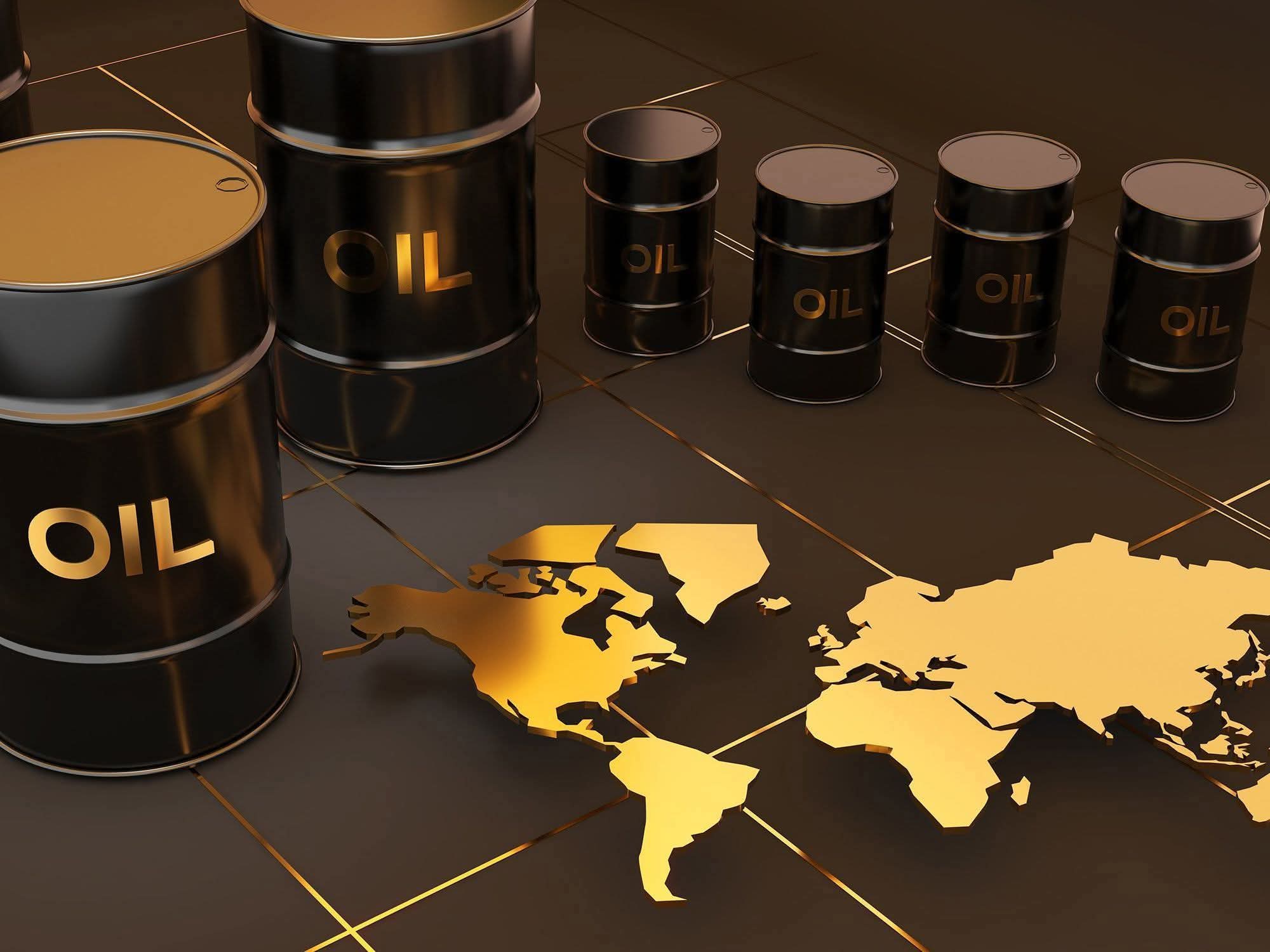
By Suleman Chitera
While motorists in many parts of the world struggle with rising fuel prices, a handful of countries are living a completely different reality—where the cost of petrol is so low it feels almost unreal.
At the very top of the list is Iran, the country with the cheapest vehicle fuel in the world. In Iran, one litre of petrol costs about US$0.029, roughly 50 Malawian kwacha. That means the money used to buy a single litre of fuel in Malawi could fill an entire fuel tank in Iran.
Close behind is Libya, where fuel sells for approximately US$0.031 per litre—about 54 Malawian kwacha. Libya is Africa’s cheapest fuel market and one of the world’s most heavily subsidised.
Other countries with remarkably low fuel prices include Venezuela at around US$0.035 per litre, Angola at US$0.328, and Egypt at US$0.339 per litre. While Angola and Egypt are far more expensive than Iran or Libya, their fuel prices are still considered cheap by global standards.
So why is fuel almost free in these countries?
The answer lies largely in government subsidies and domestic oil production. Iran, Libya, and Venezuela all possess vast oil reserves and refine fuel locally. Because they do not rely heavily on imports, production costs are low. Governments then step in to subsidise fuel prices further—sometimes spending billions of dollars each year to keep prices down for citizens.
This policy is often political as much as economic. Cheap fuel helps governments maintain public support, reduce transportation costs, and control inflation. However, it also comes at a cost: subsidies strain national budgets, encourage fuel smuggling, and can lead to excessive consumption.
Regionally, the Middle East and North Africa dominate the list of the world’s cheapest fuel markets due to their oil wealth. In Europe, Russia has the lowest fuel prices. In the Americas, Venezuela remains the cheapest. In Africa, Libya stands alone at the top.
The contrast is stark. In many fuel-importing countries, consumers pay high prices driven by global oil markets, taxes, and currency fluctuations. Meanwhile, in oil-rich nations, petrol is treated almost like a public utility—cheap, abundant, and heavily controlled by the state.
In a world grappling with inflation and energy costs, these countries offer a striking reminder: where oil flows freely, fuel prices tell a very different story.
Read also: Peter Mutharika Promises to End Hunger and Build a Prosperous Malawi
Read also: MCP steps back from Chikangawa crash probe, citing need for credibility
Read also: Govt Fixing Fuel, Energy Challenges