 Suleman Chitera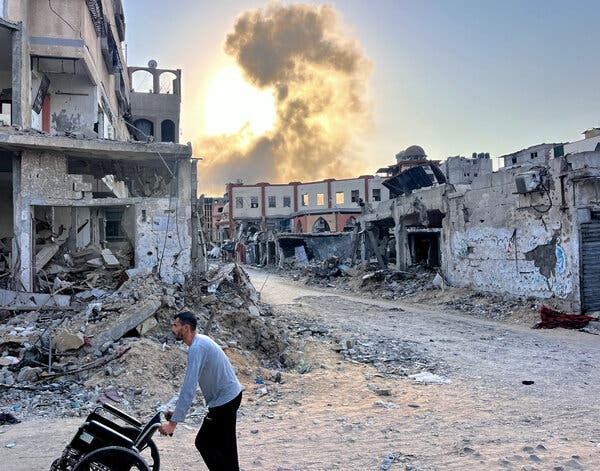
By Our Reporter in Gaza
The so-called ceasefire in the Gaza Strip has been reduced to a cruel illusion. Fresh figures released by the Government Media Office paint a grim and damning picture: 875 violations committed by Israeli forces in just 74 days—a period that was meant to signal calm, restraint, and the protection of civilian life.
Instead, it has delivered death.
According to the report, Israeli actions during the ceasefire have killed 411 Palestinians, injured 1,112 others, and led to the arrest of 45 people. These are not abstract numbers. They are shattered families, orphaned children, overcrowded hospitals, and communities pushed deeper into grief and trauma.
A ceasefire is supposed to silence guns and stop bloodshed. In Gaza, it has done neither. Airstrikes, ground attacks, sniper fire, raids, and arbitrary arrests have continued with alarming frequency, exposing what Palestinian officials describe as a pattern of systematic disregard for ceasefire terms and international humanitarian law.
The Government Media Office says the violations target civilians directly—people in their homes, on the streets, and near aid routes—further worsening an already catastrophic humanitarian situation.
Medical facilities, already stretched beyond breaking point, are struggling to cope with the steady flow of wounded, many of them women and children.
“These are not isolated incidents or misunderstandings,” the Office said, describing the violations as deliberate, repeated, and deadly. The message is blunt: a ceasefire that allows hundreds to be killed is not a ceasefire—it is a façade.
As global powers continue to issue carefully worded statements and calls for “restraint,” Gaza bleeds. The statistics released this week demand more than concern; they demand accountability. Without international pressure, enforcement mechanisms, and consequences for violations, the ceasefire remains meaningless ink on paper.
For the people of Gaza, the question is no longer whether the ceasefire is holding—it is who will stop the killing.
Read also: Ma Blacks Sets Mibawa Multipurpose Hall Ablaze on Christmas Eve!
Read also: Limpopo FM registers concern over MCP people in DPP government
Read also: Political Parties UTM, DPP, and AFORD Urge NRB to Take Over Voter Registration Duties from MEC