 Suleman Chitera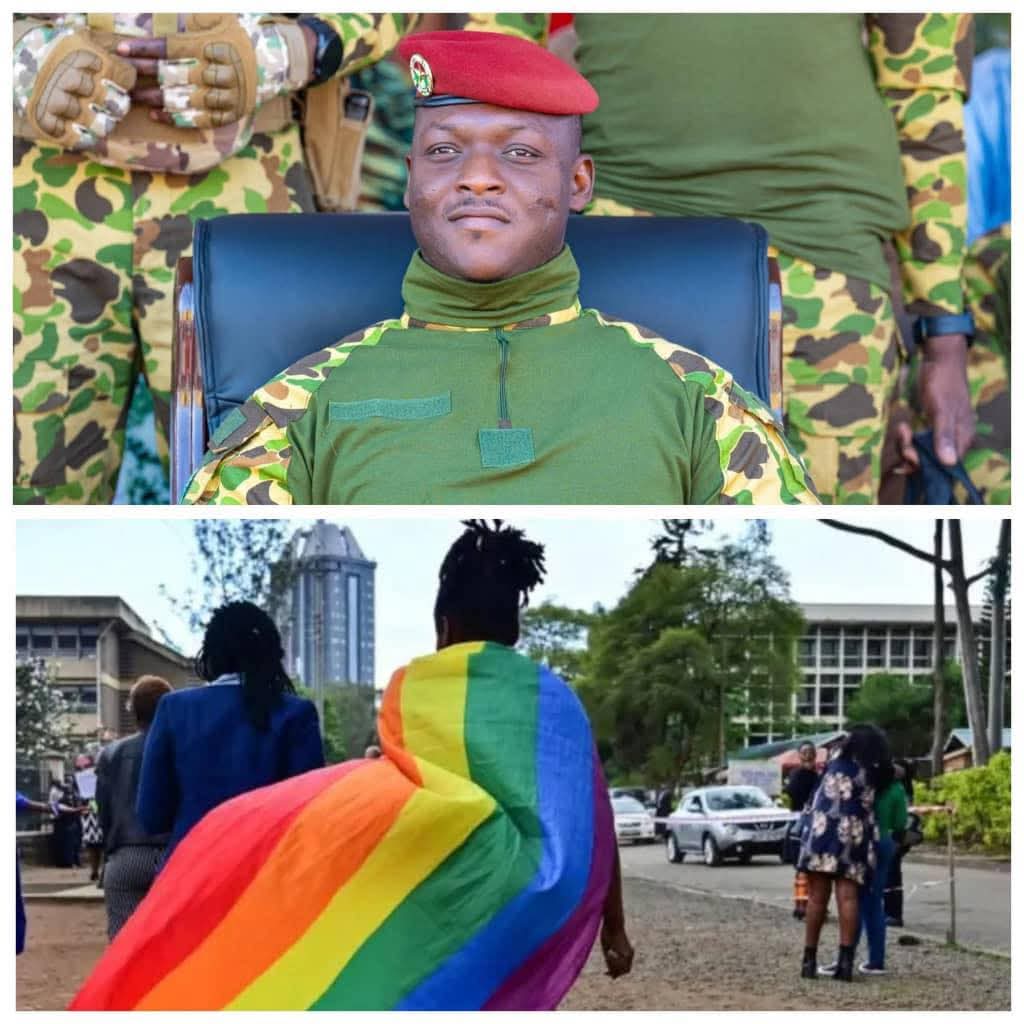
By Suleman Chitera.
Burkina Faso has recorded its first-ever conviction under a controversial new law criminalising same-sex relations, marking a dramatic shift in the country’s legal and human rights landscape
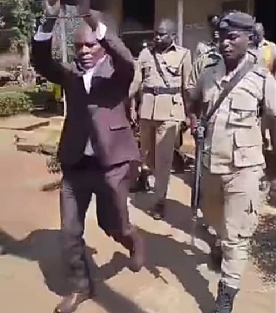
A court has sentenced an individual identified as K.M. to two years in prison, imposed a fine of approximately US$3,580, and ordered his expulsion from the country after completing the sentence.
The ruling represents the first application of legislation approved in September by junta leader Ibrahim Traore.
The law, which came into force following approval by the military authorities, allows for prison terms of up to five years and heavy financial penalties for same-sex relations. This is a significant departure from Burkina Faso’s previous legal framework, where same-sex relations were not criminalised.
Sharp Turn Under Military Rule
The conviction underscores the growing consolidation of power by the military junta, which seized control following coups in 2022. Since then, critics say the authorities have increasingly relied on restrictive laws and harsh penalties to enforce what they describe as “moral order” and “national values.”
However, human rights organisations warn that these measures are deepening repression rather than promoting stability.
Human Rights Watch and other rights groups have raised alarm, arguing that Burkina Faso’s human rights situation has significantly deteriorated under junta rule. They say the criminalisation of same-sex relations exposes vulnerable communities to abuse, arbitrary arrests, and social persecution.
Regional and Global Backlash
The ruling has sparked concern among activists across Africa and beyond, with fears that Burkina Faso’s move could embolden other military-led governments in the region to adopt similar laws. Legal experts warn that such legislation not only violates international human rights norms but also undermines constitutional protections and the rule of law.
“This conviction sends a chilling message,” one regional rights advocate said. “It signals that personal freedoms are increasingly at risk under the guise of security and morality.”
A Defining Moments
As Burkina Faso continues to grapple with insecurity, political uncertainty, and economic strain, the first conviction under the new law marks a defining and controversial moment for the country. Observers say how the junta handles mounting domestic and international criticism will shape its legitimacy both at home and abroad.
For now, the case of K.M. stands as a stark symbol of a nation undergoing a profound—and deeply contested—legal transformation.