 Malawi Freedom Network
By Alinafe Linga
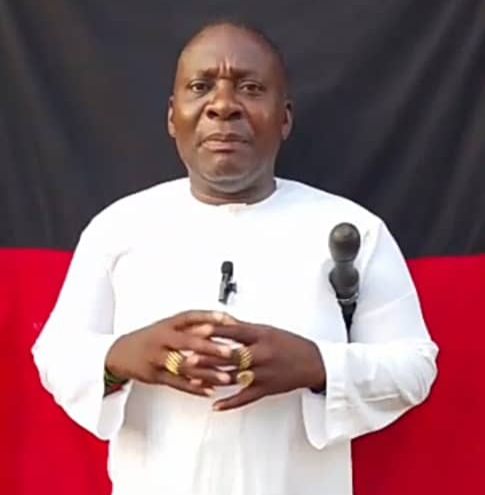
Veteran journalist Wonder Msiska has delivered a scathing assessment of Vice President Dr. Jane Ansah’s standing in government, declaring that the withdrawal of key responsibilities from her office is clear evidence that she has failed politically and administratively.
Speaking during the Hot Current programme, Msiska did not mince words. He argued that the decision to strip Dr. Ansah of influential portfolios was neither accidental nor procedural, but a deliberate political message that trust at the highest level had collapsed.
“However you try to spin it, Mayi Ansah has failed in her office,” Msiska said. “When someone gives you power, it is because they trust you. When that same power is taken away, it means that trust is gone.”
His remarks come amid growing public speculation following the removal of two critical functions from the Vice President’s office: oversight of disaster management and coordination of public sector reforms. These portfolios are not minor assignments. Disaster management, in particular, carries immense political weight in a country frequently affected by floods, droughts, and food insecurity. Public sector reforms, meanwhile, are central to government credibility, efficiency, and service delivery.
To Msiska, the reassignment of these roles amounts to a political demotion in all but name.
“This is not normal housekeeping within government,” he said. “This is a vote of no confidence.”
Msiska went further, advising Dr. Ansah to urgently repair her relationship with former president Peter Mutharika, suggesting that political isolation may have contributed to her diminishing influence. According to the seasoned commentator, power within government is sustained as much by alliances and trust as it is by constitutional titles.
“When you lose the confidence of those who empowered you, your office becomes ceremonial,” he observed.
The development has reignited debate about the real power of the Vice President’s office and whether Dr. Ansah has been effectively sidelined. While official statements have sought to downplay the changes as administrative restructuring, critics argue that the timing and nature of the decisions point to deeper political fractures.
Political analysts note that disaster management failures often attract intense public scrutiny, especially during national crises. Removing that responsibility from the Vice President could be interpreted as an attempt by the administration to shield itself from political fallout—or to reassign blame pre-emptively.
Public sector reform is equally sensitive. The portfolio touches on corruption, inefficiency, and institutional accountability—issues that routinely dominate public discourse. Losing oversight of such a strategic area further weakens the Vice President’s visibility and relevance in governance.
Msiska’s blunt assessment resonates with a wider public sentiment that has grown increasingly skeptical of symbolic leadership roles that lack real authority.
“In politics, titles mean very little without power,” he said. “If you are Vice President but major decisions and responsibilities are taken away from your office, the message is already clear.”
Neither Dr. Ansah’s office nor government spokespersons have directly responded to Msiska’s remarks. However, the silence has only fueled speculation that internal tensions remain unresolved.
As the political dust settles, one thing is evident: the stripping of key responsibilities from the Vice President’s office has shifted the national conversation. Whether framed as administrative realignment or political punishment, the move has exposed fractures at the top of government—and raised serious questions about leadership, trust, and accountability.
For Msiska, the conclusion is unavoidable.
“This is not about personalities,” he said. “It is about confidence. And once confidence is lost, power follows.”
Read also: Apostle Clifford Kawinga Donates MWK 30 Million at Mulhako Wa Alhomwe Dinner and Dance in Lilongwe
Read also: Minibus Fares Gone Up
Read also: Deputy Health Minister Daudi Receives Ambulance From Chinese Partners