
 Malawi Freedom Network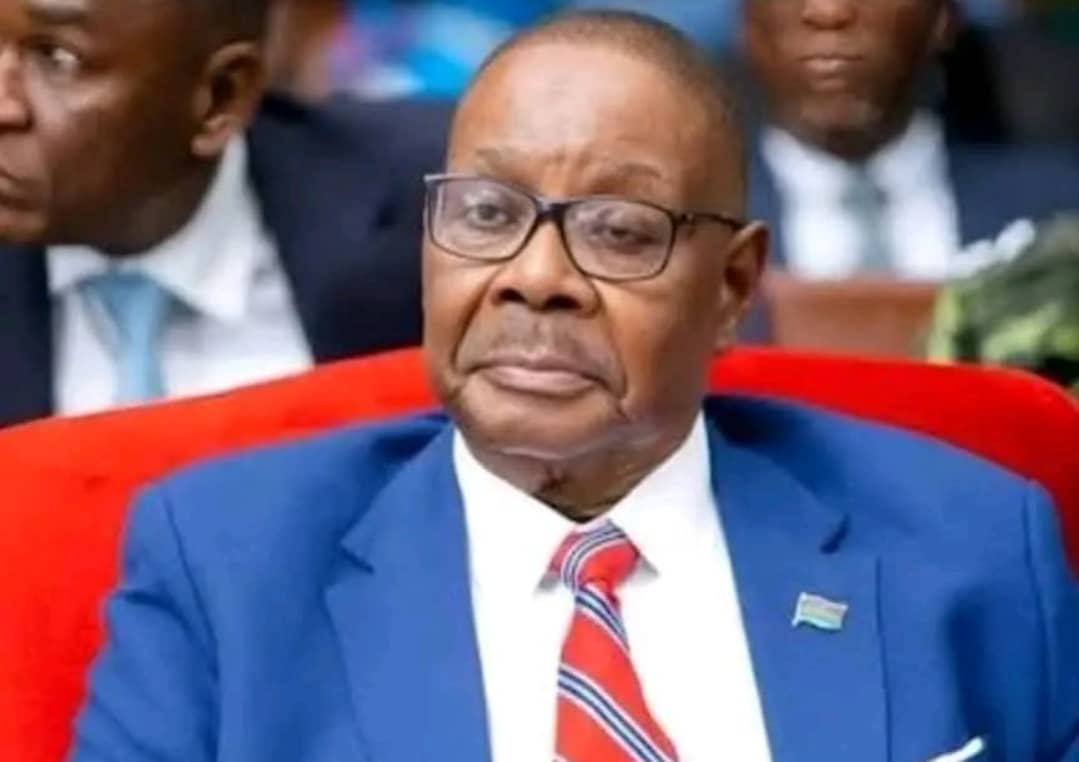
By Suleman Chitera
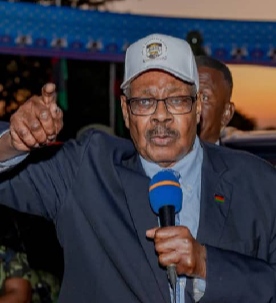
Arthur Peter Mutharika is being credited by his supporters with steering Malawi’s economy back from the brink, following a turbulent period under the Malawi Congress Party (MCP) administration led by Lazarus Chakwera.
According to proponents of the current leadership, the previous administration presided over an economy weighed down by high inflation, commodity shortages, and persistent allegations of corruption. They argue that governance failures and weak fiscal discipline eroded public confidence, destabilised markets, and drove up the cost of living for ordinary Malawians.
Economic Reset Narrative
Since taking charge, Mutharika is portrayed as implementing corrective economic measures aimed at restoring macroeconomic stability. Supporters point to renewed policy coordination, tighter public expenditure controls, and efforts to stabilise the supply chain of essential commodities.
The most visible impact, they argue, is at household level.
Maize — Malawi’s staple commodity — has reportedly declined in price in several markets, easing pressure on families who had struggled with soaring food costs. For a country where food security is both an economic and political issue, any reduction in maize prices carries significant weight.
Fuel availability has also become a central talking point. After periods characterised by scarcity and long queues at filling stations, motorists are said to be experiencing uninterrupted supply. Observers note that fully stocked service stations signal improved import logistics and foreign exchange management.
Public Sentiment Shifts
Across trading centres and urban hubs, some citizens are expressing cautious optimism. The availability of fuel not only reduces transportation disruptions but also stabilises secondary commodity prices, given Malawi’s heavy reliance on road-based distribution networks.
For small-scale traders, transport operators, and farmers, fuel consistency translates into operational predictability. Meanwhile, lower maize prices provide immediate relief to vulnerable households, particularly in low-income communities.
Political Stakes Remain High
However, political analysts caution that economic narratives often reflect partisan perspectives. While supporters hail a turnaround, critics may question the sustainability of these gains and call for broader structural reforms, including improved industrial productivity, export diversification, and long-term fiscal consolidation.
What remains clear is that economic performance will continue to define Malawi’s political battleground. In a country where livelihoods are tightly linked to commodity prices and fuel availability, tangible day-to-day improvements resonate more than policy rhetoric.
For now, Mutharika’s allies argue that the signs of stabilisation — falling maize prices and fuel availability nationwide — demonstrate decisive leadership and economic recalibration. Whether this momentum can be sustained over the long term will likely determine both the country’s trajectory and the political fortunes attached to it.