 Malawi Freedom Network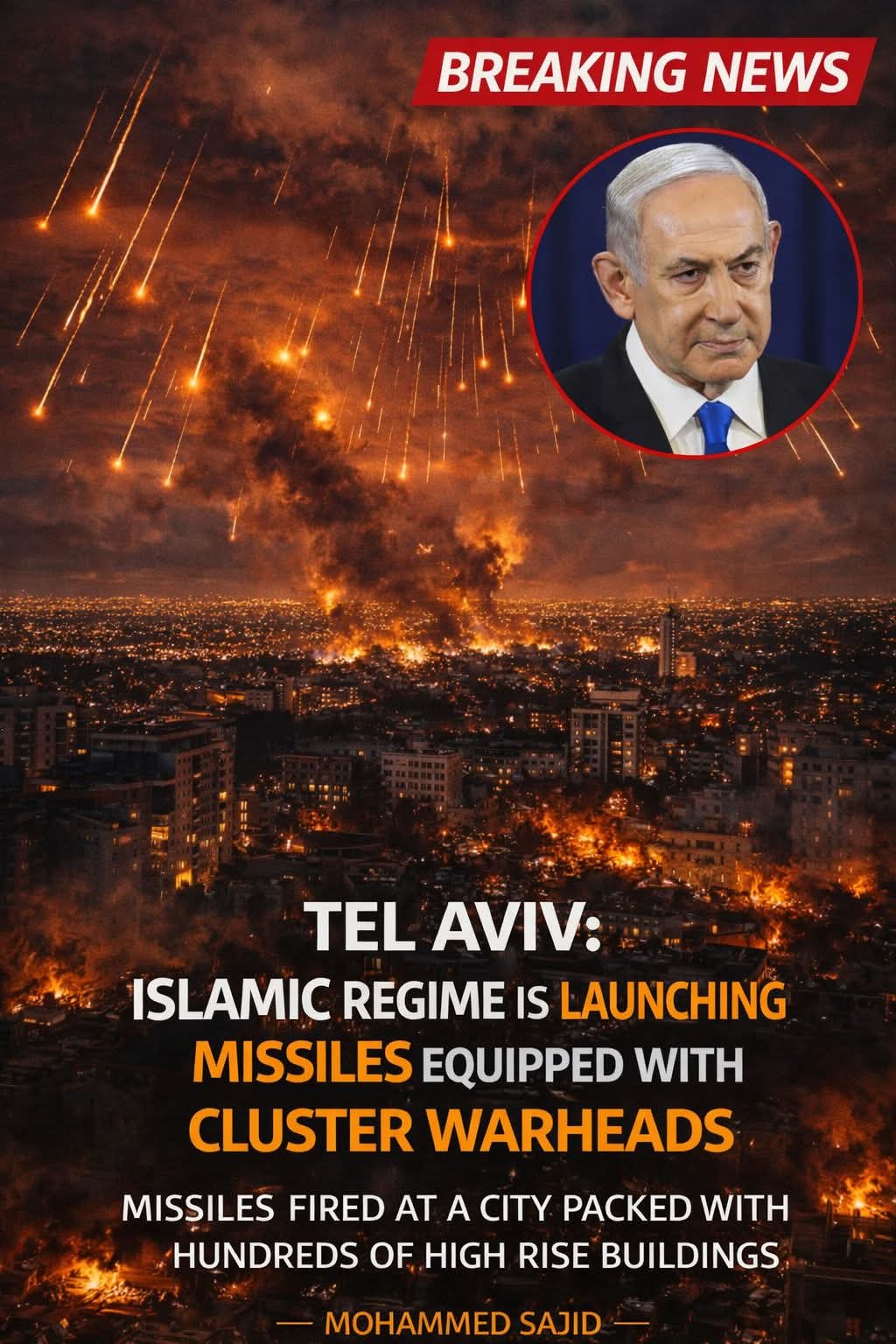
By Correspondent in Tel Aviv
A dangerous new phase in the Middle East conflict unfolded as the Israel Defense Forces (IDF) confirmed that Iran launched ballistic missiles carrying cluster warheads toward densely populated areas of Tel Aviv, raising alarm over the growing threat to civilian life.
According to Israeli military officials, several of the incoming missiles were identified by defense analysts as the Khorramshahr-4 ballistic missile, also known as the “Kheibar.” The long-range missile is believed to be capable of carrying cluster munitions designed to disperse multiple smaller explosives across a wide area.
Military experts say the missile’s warhead opens during its descent at an altitude of roughly seven kilometers, scattering dozens of submunitions over a broad radius. Each warhead can release approximately twenty smaller explosive devices, dramatically increasing the potential for casualties and destruction when used in dense urban environments.
The use of such weapons over one of Israel’s most heavily populated metropolitan areas has heightened fears of mass civilian harm. Unlike conventional warheads that strike a single point, cluster munitions spread destruction across neighborhoods, streets, and commercial districts.
Israeli air defense systems, including those integrated into the country’s multilayered missile shield, intercepted a significant number of the incoming projectiles. However, authorities confirmed that several missiles managed to penetrate the defenses, allowing submunitions to fall across parts of central Israel.
Emergency services reported multiple injuries and substantial property damage in several districts of Tel Aviv. Fires broke out in both residential and commercial areas as emergency responders rushed to contain the situation.
Authorities also issued urgent warnings to residents not to approach any missile debris. Unexploded submunitions from cluster warheads often remain active long after impact and can detonate if disturbed, posing a severe risk to civilians and first responders.
The attack represents one of the most direct escalations since the outbreak of the current confrontation between Iran and Israel following the launch of large-scale military operations on February 28. Analysts say the choice to target Tel Aviv with cluster-equipped ballistic missiles suggests a deliberate attempt to maximize psychological pressure on Israel’s urban population centers.
Strategic observers note that such strikes are designed not only to inflict damage but also to disrupt daily life in the country’s economic and cultural hub.
Despite the severity of the latest assault, Israeli defense officials say there are early indications that the overall rate of Iranian missile launches has begun to decline. Ongoing Israeli operations are reportedly focusing on destroying missile launch infrastructure and supply networks believed to support Iran’s long-range strike capabilities.
Nevertheless, the threat remains immediate and significant. With major cities still within range of Iranian ballistic missiles, authorities warn that the risk of further attacks on civilian areas cannot yet be ruled out.
As the conflict continues to unfold, the international community is watching closely, concerned that the use of cluster munitions in urban warfare could further deepen the humanitarian consequences of an already volatile regional confrontation.
- The Fighters Who Built the Comeback: Is the DPP Losing Its Grassroots Warriors?
 Share Listen to this article ByOur ReporterMalawi Freedom Network | September 21, 2026…
 - NWFA commends NBM plc for boosting women’s football as 2nd Season kicks off
 Share Listen to this article By Suleman Chitera The National Women’s Football Association…
 - NBM plc supports PRSM lakeshore conference with K8 million
 Share Listen to this article By Suleman Chitera National Bank of Malawi (NBM)…
 - Mwenifumbo Applauds Mutharika’s K5 Billion CDF Boost, Says More Resources Can Transform Constituencies
 Share Listen to this article By Suleman Chitera LILONGWE — Karonga Central Member…
 - Journalists Urged to Go Beyond Conventional Reporting and Strengthen Watchdog Role
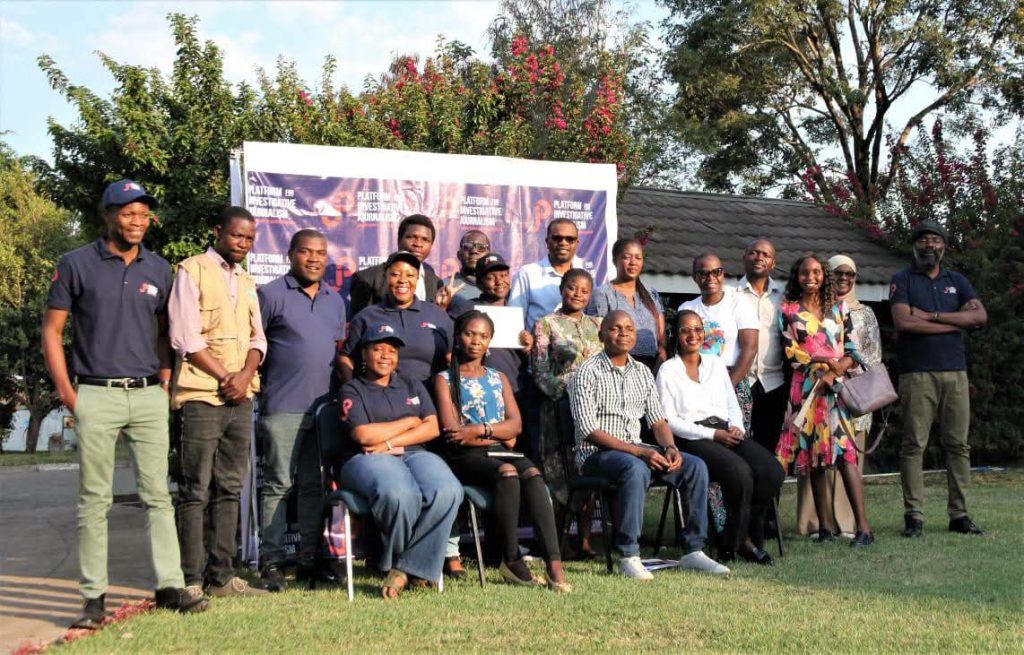 Share Listen to this article By Suleman Chitera BLANTYRE: Journalists have been urged…
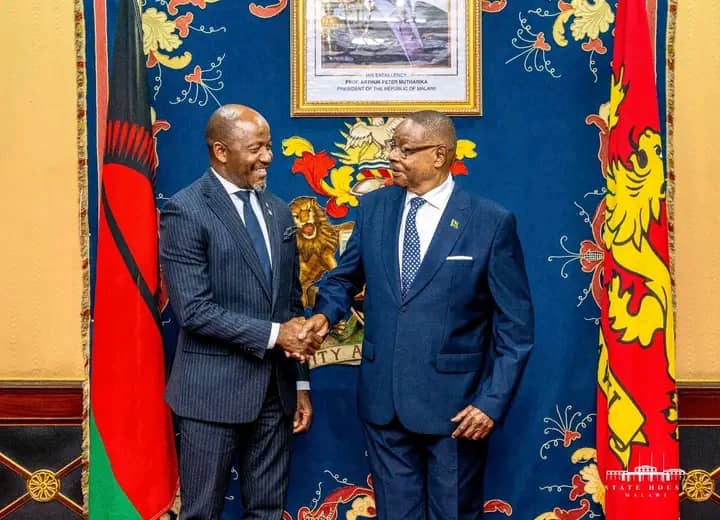
 - BAM Backs Mutharika Economic Drive as Inflation and Interest Rates Ease
 Share Listen to this article By Suleman ChiteraLilongwe — September 20, 2026 The…
 - Malawi 2030: The Generation Ready to Challenge the Old Political Order
 Share Listen to this article By Suleman ChiteraMalawi Freedom Network | September 20,…
 - Chadzunda Residents Demolish Property Linked to Suspected Criminal Activity
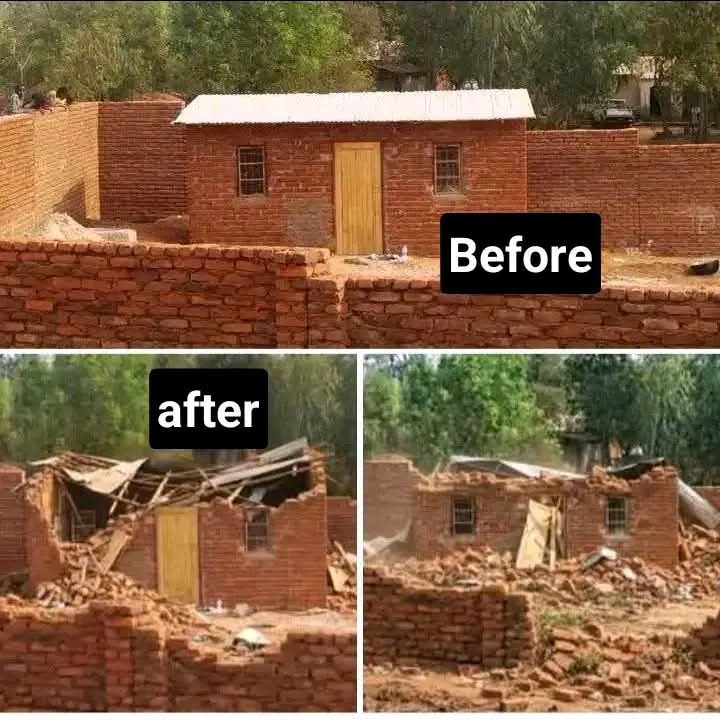 Share Listen to this article By Malawi Freedom Network Residents of Chadzunda on…
 - Mwanamvekha Represents President Mutharika at 125th Anniversary of Catholic Church in Malawi
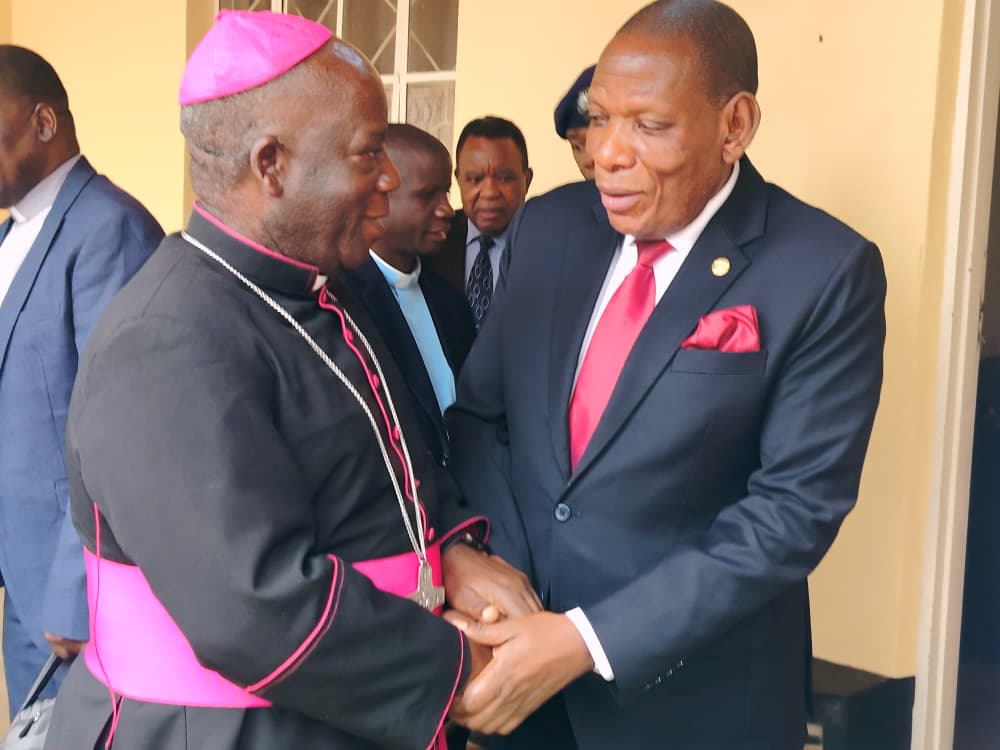 Share Listen to this article By Suleman Chitera19 September 2026 Minister of Finance,…
 - Malawians showers praises at Mutharika for delegating Minister to UNGA
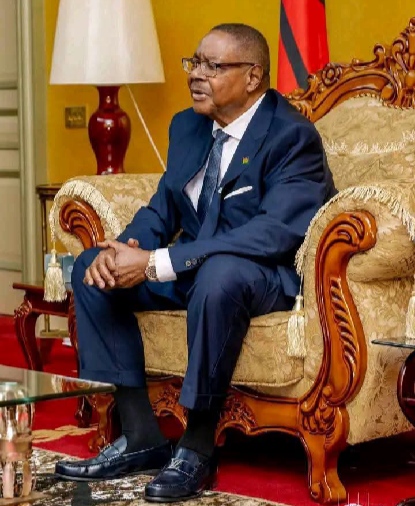 Share Listen to this article By Vincent Gunde Social media contributors have taken…
 - NBM plc, Akiba strengthen Tanzania-Malawi investment ties
 Share Listen to this article By Suleman Chitera National Bank of Malawi (NBM)…
 - Kaduwa Imperial Hotel to Host Bwalo 02 Poetry and Music Event
 Share Listen to this article By Brighton Tchongwe Kaduwa Imperial Hotel in Lilongwe…
 - Archbishop Msusa’s prophecy has come to pass
 Share Listen to this article By Vincent Gunde Archbishop Thomas Msusa of the…
 - Duwama’s Journey: From Being the Only Girl in Class to a Full Secondary School Scholarship
 Share Listen to this article By Suleman Chitera MANGOCHI, MALAWI — For Duwama…
 - Kayira Shot During Operation to Rescue Abducted British National Nusrat Osman
 Share Listen to this article By Malawi Freedom Network BLANTYRE — Deputy Inspector…
 - Chikangawa forest plane crash was an assassination plot on Dr. Saulosi Chilima
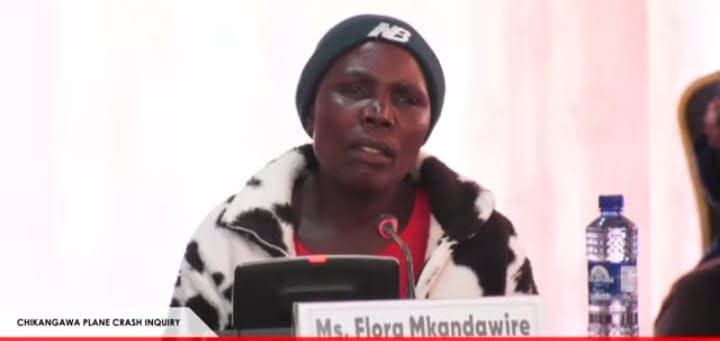 Share Listen to this article By Vincent Gunde A second eye witness in…
 - From Campaign Warriors to Disillusioned Voices? Questions Mount Over DPP’s Treatment of Its Foot Soldiers
 Share Listen to this article By Our Reporter The Democratic Progressive Party (DPP)’s…
Read also: Mutharika, First Lady Support 1,000 Repatriated Malawians with Relief Items
Read also: Atupele Muluzi Dismisses Coalition Rumors with MCP Ahead of September Polls
Read also: A nation mourns again: Edgar Lungu Joins Zambia’s Fallen Heroes