 Suleman Chitera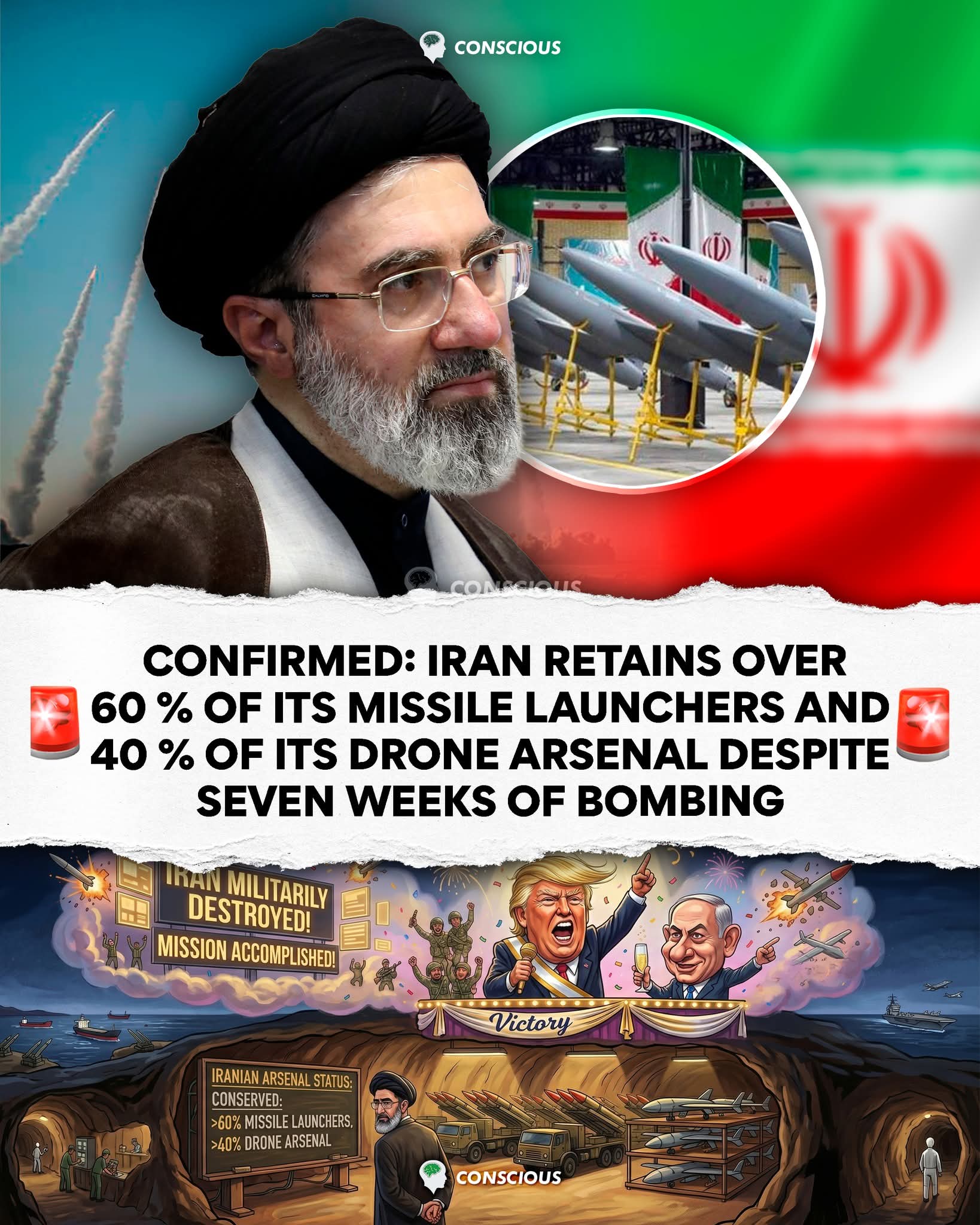
Intelligence Reveals Majority of Missile Power Survived Weeks of Bombing
By Suleman Chitera
Fresh intelligence assessments from Western agencies have cast serious doubt on claims that Iran’s military capabilities have been significantly weakened after weeks of sustained strikes
Iran Rejects Trump Threats, Vows to Defend Country
Despite near-daily bombardments since late February, is reported to have retained over 60% of its missile launchers and roughly 40% of its drone arsenal—figures that are raising alarms among military analysts and policymakers alike.
Analysis: Global Outcry: CSOs Demand End to US-Israel War on Iran
Hidden Arsenal, Strategic Patience
According to intelligence sources, Iran’s resilience lies in long-term preparation. Prior to the escalation, key military assets were moved into fortified underground bunkers and cave systems, shielding them from aerial attacks. Since a ceasefire took effect on April 8, more than 100 missile launcher systems have reportedly been recovered from these concealed locations.
IMF withholds support as Chakwera’s economic plan collapses
Even more concerning for Western strategists, efforts are underway to salvage additional weapons buried under destroyed facilities. Optimistic projections from within Iran suggest the country could recover up to 70% of its prewar missile capacity.
Strait of Hormuz Still at Risk
Officials quoted by acknowledged that Iran retains enough firepower to threaten global trade routes—particularly the critical . This narrow passage handles a significant portion of the world’s oil shipments, making any disruption a global economic concern.
Iran Signals Escalation with Strait of Hormuz Warning, Raising Global Alarm
The admission undercuts earlier statements from Washington portraying Iran as “militarily destroyed,” revealing instead a more complex and unresolved strategic reality.
Narrative vs Reality
While former U.S. President has issued strong warnings about targeting Iran’s infrastructure, the intelligence picture suggests Tehran remains far from neutralized. Rather than engaging in direct confrontation, Iran appears to be leveraging asymmetric warfare tactics—favoring endurance, concealment, and calculated retaliation.
A War Far From Over
The latest revelations highlight a critical shift in perception: this is not a decisive victory for Western forces, but an ongoing contest of endurance. Iran’s ability to absorb strikes while preserving a substantial portion of its arsenal signals a prolonged strategic challenge.
Iran Says Strait of Hormuz Remains Open and Under Its Control
For now, one message is clear—Tehran still has the capability to strike, and the patience to wait for the right moment.
Read also: No government officials attend memorial service for former VP Saulos Chilima
Read also: Malawi Police Service enhances road safety with new breathalyzers and speed cameras