

By Suleman Chitera
The Ministry of Finance, Economic Planning and Decentralization has reaffirmed the government’s commitment to restoring economic stability and improving the welfare of Malawians, while acknowledging concerns raised by civil society, faith-based organisations and other stakeholders regarding the country’s economic situation.Mwanamvekha Chairs World Bank Africa Meeting, Calls for Faster Economic Growth and Job Creation
In a statement issued in response to concerns presented by various organisations, including the NGO Regulatory Authority, the Council for Non-Governmental Organizations, the Centre for Democracy and Economic Development Initiatives, the Human Rights Defenders Coalition, the Catholic Commission for Justice and Peace, and the National Advocacy Platform, the ministry said it fully understands the hardships currently facing citizens and remains focused on implementing long-term solutions.
The ministry emphasized that the current administration inherited a severely weakened economy characterized by soaring public debt, high inflation, dwindling foreign exchange reserves and a widening fiscal deficit.Mwanamvekha Hails World Bank’s Nathan Belete for Transformative Support to Malawi Development Projects
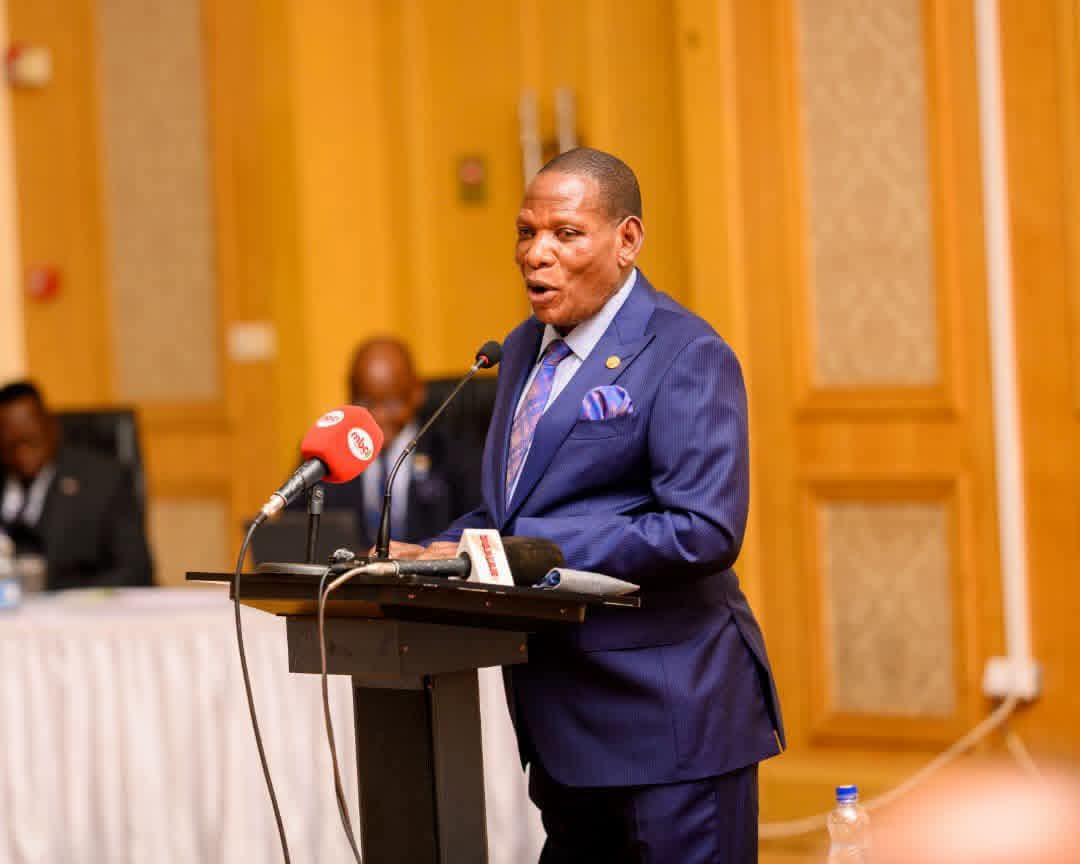
According to Minister of Finance Joseph Mwanamveka, public debt increased dramatically from K4.1 trillion in 2019 to K24 trillion in 2025, while inflation rose from 9 percent to 30 percent during the same period. Foreign exchange reserves also declined sharply from more than four months of import cover in 2019 to less than one week by September 2025.
Despite these challenges, the government has undertaken bold and decisive reforms aimed at preventing economic collapse and laying a solid foundation for sustainable growth.IMF Talks Return as Malawi Battles Economic Turbulence, Mwanamvekha Rules Out Devaluation Agenda
The ministry noted that revenue enhancement measures and strict expenditure controls have been introduced to address a budget deficit that had reached K3.1 trillion, equivalent to 12 percent of the country’s Gross Domestic Product (GDP). It further explained that nearly 90 percent of domestic revenue had been consumed by statutory obligations such as salaries, pensions, gratuities and debt servicing.
Government has defended the implementation of taxes and levies on fuel, describing them as necessary interventions designed to restore macroeconomic stability, strengthen productive sectors of the economy and safeguard vulnerable households through targeted support mechanisms.Government to Buy Back Part of K22 Trillion Debt – Mwanamvekha
Encouragingly, the ministry reported signs of economic improvement. The fiscal deficit is projected to decline from 12 percent of GDP in the 2025/26 financial year to 9 percent in 2026/27. Foreign exchange reserves have also improved to approximately one month of import cover, signaling gradual progress toward economic recovery.
In addition, fuel availability has significantly improved across the country, while the implementation of the Automatic Pricing Mechanism has enabled the resumption of maintenance works on key roads, supporting economic activity and improving transportation infrastructure.
The ministry has since called upon civil society organisations, faith-based groups, development partners and all stakeholders to work hand in hand with government in addressing socio-economic challenges and accelerating national development.Mwanamvekha: The Driving Force Behind Malawi’s Economic Stabilisation
“Government remains committed to implementing reforms that will stabilize the economy, improve service delivery and create opportunities for all Malawians,” the statement said.
As Malawi continues on its path toward economic recovery, the ministry has expressed confidence that sustained cooperation and shared responsibility among all stakeholders will contribute to building a more resilient and prosperous nation.How Malawi’s Gold Is Allegedly Flowing Into Israel Through Smuggling Networks