 Suleman Chitera
By Suleman Chitera
Every year, Malawi loses billions of kwacha that could have been used to connect thousands of homes to electricity. Instead, the money is spent replacing stolen transformers, damaged power lines and other vandalised infrastructure, slowing the country’s march towards universal electricity access.
The Electricity Supply Corporation of Malawi (ESCOM) is losing about K3 billion annually to vandalism of electricity infrastructure, a growing crisis that is draining resources meant to expand electricity access across the country.Communities Foil Vandalism of ESCOM Transformer in Thyolo
The losses come as Malawi continues to battle one of the world’s lowest electricity access rates, with only 16 percent of the population connected to the national grid, according to the Tracking Sustainable Development Goal 7: The Energy Progress Report 2026.
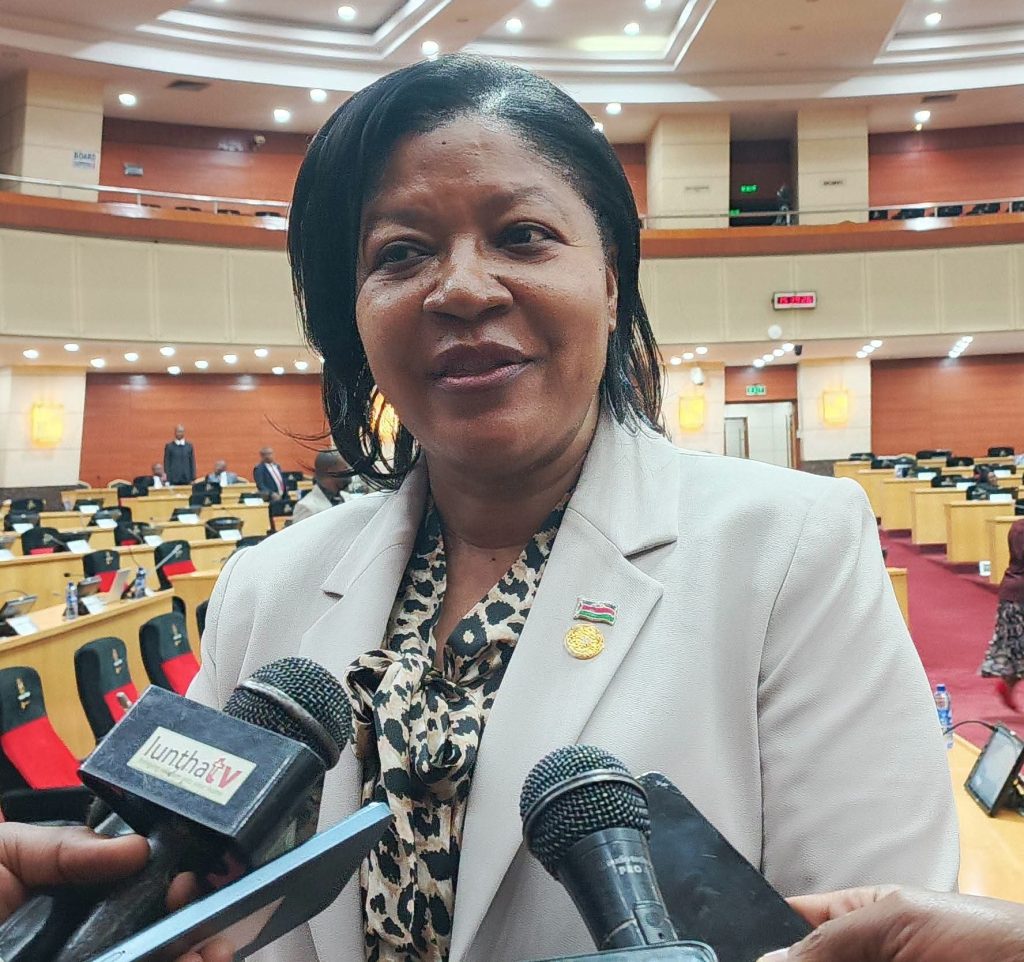
Speaking in Parliament on Wednesday, Minister of Energy Dr. Jean Mathanga described vandalism as one of the biggest threats to the country’s electrification programme, revealing that more than 185 electricity centres are affected by theft and destruction every year.
He said the continued attacks on power infrastructure are forcing government and ESCOM to divert billions of kwacha from new electricity connections to replacing stolen and damaged equipment.ESCOM, MISA Malawi unveil Anti-Vandalism Media Award
“The continued vandalism of electricity infrastructure is undermining government’s efforts to increase electricity access because resources that would have been used to connect new customers are instead being spent on replacing stolen and damaged equipment,” Mathanga said.
In an interview with the Malawi News Agency (MANA), ESCOM Public Relations Officer Pilirani Phiri said the K3 billion figure only reflects the direct cost of replacing vandalised infrastructure and excludes the much larger economic losses caused by prolonged power outages.
“This figure does not even include the billions of kwacha we lose through unserved energy, interrupted business operations and reduced productivity whenever customers are left without electricity,” Phiri said.
He explained that K3 billion is enough to buy about 150 electricity transformers, each costing around K20 million, or fund several centres under the Malawi Rural Electrification Programme (MAREP).
ESCOM recorded 138 cases of vandalism and theft between October 2025 and March 31, 2026, while another five transformers were vandalised in April alone.
Despite the alarming trend, Phiri welcomed recent court rulings imposing tougher sentences on offenders, saying they could help discourage future attacks.ESCOM Condemns Vandalism That Plunged Parts of Lilongwe Into Darkness
A vandal in Lilongwe was recently sentenced to 15 years in prison, while four men in Thyolo received 18-year jail terms after attacking security guards and vandalising a transformer valued at K15.7 million.
Phiri also credited public awareness campaigns, including ESCOM’s anti-vandalism media awards and community reporting through its toll-free line, for helping authorities arrest suspects involved in infrastructure theft.
The vandalism comes despite major investments aimed at increasing electricity access nationwide.
Through the World Bank-funded Malawi Electricity Access Project (MEAP), nearly two million people have already gained access to electricity through grid expansion and off-grid solar home systems.
Government is also rolling out additional phases of MAREP to extend electricity to trading centres, schools, health facilities and rural communities as part of the Malawi 2063 vision.Lilongwe Man Arrested For Cutting Escom Poles
However, experts warn that continued destruction of electricity infrastructure is undermining these investments.
Renewable Energy Industries Association of Malawi President Brave Mhone previously observed that an increasing share of energy sector funding is being spent repairing damaged infrastructure instead of expanding electricity generation and extending the national grid.
“A lot of resources are going towards replacing or rehabilitating existing infrastructure. That leaves limited funding for expanding generation capacity and connecting new consumers,” Mhone said.
As Malawi intensifies efforts to achieve universal electricity access, authorities say protecting power infrastructure will be critical to ensuring that billions of kwacha are invested in connecting more homes, businesses and public institutions rather than replacing assets destroyed by vandals.ESCOM Board and Staff Union Align to Drive Corporate Turnaround
Read also: Jumbe questions a nation honoring the dead while hiding the truth
Read also: ISB Solidaridad visits Malawi’s projects