The State of the Nation Address (SONA) serves as a critical platform for leaders to communicate their vision, achievements, and plans for the future.
It is a moment where the president can rally the nation, inspire confidence, and foster a sense of unity among citizens.
However, when the content of such an address is perceived as misleading or disconnected from the realities faced by the populace, it not only undermines the credibility of the leader but also erodes public trust in the government.
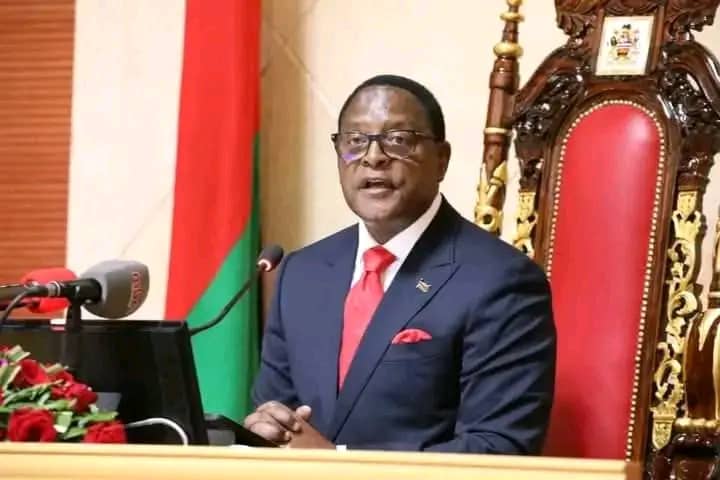
In light of the recent SONA delivered by President Lazarus Chakwera of Malawi, it has become increasingly clear that the address was fraught with inaccuracies and disillusionment.
Therefore, it is imperative that President Chakwera withdraws his SONA to restore integrity, accountability, and trust in his leadership.
The essence of a SONA lies in its ability to reflect the true state of the nation.
It is an opportunity for the president to acknowledge the challenges faced by the country, celebrate achievements, and outline a realistic path forward.
However, when the address is filled with fabrications and exaggerations, it creates a chasm between the government and the governed.
Citizens rely on their leaders to provide an honest assessment of the nation’s circumstances, and when that trust is violated, it leads to disillusionment and skepticism.
President Chakwera’s SONA has been described as visionless, and many have expressed concerns that he may not be the one truly steering the country.
This perception is damaging not only to his administration but also to the democratic fabric of Malawi.
One of the most pressing reasons for President Chakwera to withdraw his SONA is the need for accountability.
Leaders are entrusted with the responsibility of guiding their nations, and with that comes the obligation to be truthful and transparent.
When a president stands before the nation and delivers a speech that is perceived as riddled with lies, it raises serious questions about their commitment to accountability.
By withdrawing the SONA, President Chakwera would be taking a significant step towards acknowledging the disconnect between his administration’s narrative and the lived experiences of Malawians.
This act of humility could serve as a powerful message that he is willing to listen to the concerns of his constituents and take responsibility for the missteps of his administration.
Moreover, withdrawing the SONA would provide an opportunity for the president to engage in a more constructive dialogue with the citizens of Malawi.
The current political climate is fraught with tension and dissatisfaction, and the public is yearning for authentic leadership that resonates with their struggles and aspirations.
By retracting the misleading address, President Chakwera could open the door for a more honest conversation about the challenges facing the nation, including economic hardships, social inequalities, and governance issues.
This would not only demonstrate his willingness to engage with the public but also foster a sense of collaboration in addressing the pressing issues that affect the lives of ordinary Malawians.
The backlash against President Chakwera’s SONA has been widespread, with condemnation coming from various sectors of society.
This level of dissent is indicative of a deeper malaise within the political landscape of Malawi.
When citizens feel that their leaders are not being truthful, it breeds cynicism and apathy towards governance.
The withdrawal of the SONA could serve as a catalyst for rebuilding trust between the government and the people.
It would signal that the president values the opinions and experiences of his constituents and is committed to rectifying any misrepresentations made in the address.
In a democratic society, the relationship between the government and the governed is built on mutual respect and understanding, and it is crucial for leaders to uphold this principle.
Furthermore, the act of withdrawing the SONA would align with the principles of good governance.
Good governance is characterized by transparency, accountability, and responsiveness to the needs of the people.
When leaders fail to adhere to these principles, they risk alienating their constituents and undermining the very foundations of democracy.
By retracting the misleading address, President Chakwera would be taking a proactive step towards reinforcing the values of good governance in Malawi.
This would not only enhance his credibility as a leader but also set a precedent for future administrations to prioritize honesty and integrity in their communications with the public.
In addition to restoring trust and accountability, withdrawing the SONA would also provide an opportunity for the president to recalibrate his vision for the nation.
The current political landscape is dynamic, and the challenges facing Malawi are multifaceted.
By acknowledging the shortcomings of his previous address, President Chakwera could take the time to reassess his administration’s priorities and develop a more coherent and realistic plan for the future.
This would demonstrate a commitment to adaptive leadership, where the president is willing to learn from mistakes and adjust his approach in response to the evolving needs of the nation.
Moreover, the withdrawal of the SONA could serve as a rallying point for national unity.
In a time of division and discontent, it is essential for leaders to foster a sense of collective purpose among citizens.
By acknowledging the inaccuracies in his address and committing to a more truthful dialogue, President Chakwera could inspire a renewed sense of hope and collaboration among Malawians.
This could pave the way for a more inclusive and participatory approach to governance, where citizens feel empowered to contribute to the nation’s development.
In conclusion, the recent State of the Nation Address delivered by President Lazarus Chakwera has raised significant concerns regarding its accuracy and the president’s vision for the country.
The backlash from various sectors of society underscores the urgent need for accountability and integrity in leadership.
By withdrawing his SONA, President Chakwera would not only acknowledge the disconnect between his administration’s narrative and the realities faced by the people but also take a crucial step towards rebuilding trust and fostering a more constructive dialogue with citizens.
This act of humility could serve as a powerful reminder of the importance of honesty in governance and the need for leaders to be responsive to the needs and aspirations of their constituents.
In a time of uncertainty and discontent, it is imperative for President Chakwera to demonstrate his commitment to the principles of good governance and the well-being of the Malawian people.