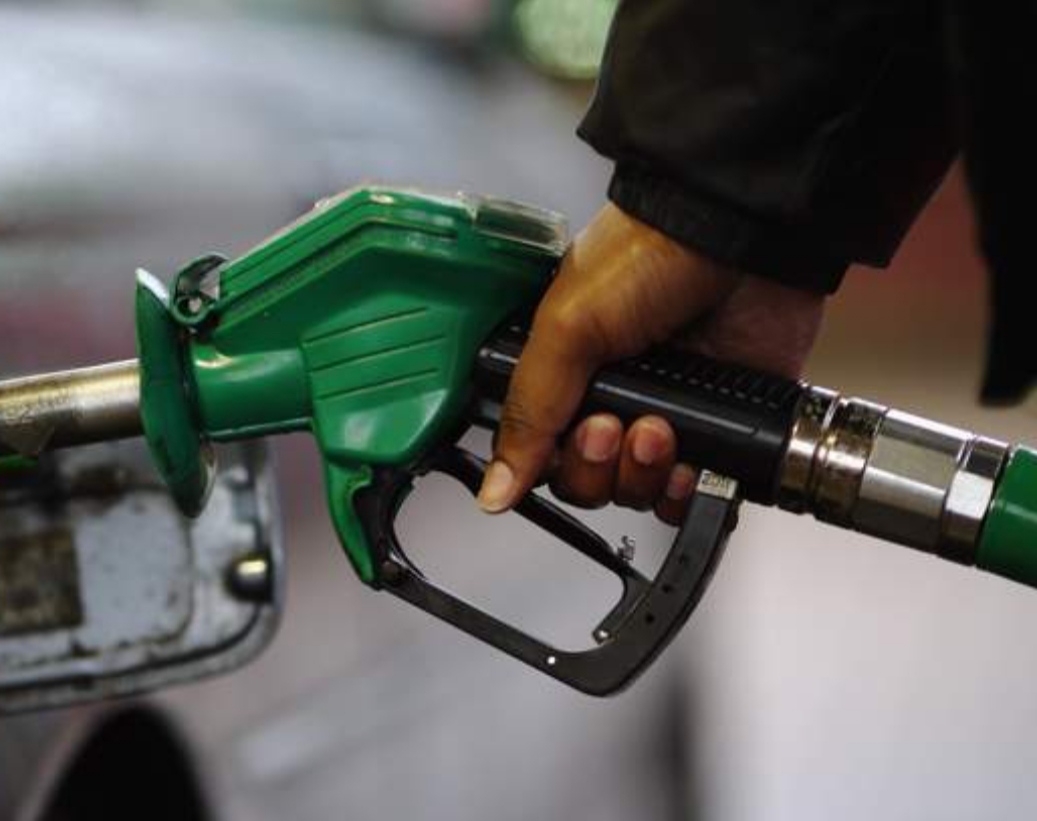
The recent reduction in fuel prices has been welcomed by many Malawians who have been grappling with rising living costs, but questions remain whether the adjustment will translate into lower transport fares and cheaper food prices.
While consumers hope the reduction will bring immediate relief, economic analysts and transport operators say the impact may be limited unless further measures are taken to address broader economic challenges.
Fuel Prices Fall, But Is It Enough?
The latest fuel price adjustment comes after months of significant increases that pushed transport costs higher and contributed to rising prices of goods and services across the country.
Fuel is a critical component of Malawi’s economy, affecting transportation, agriculture, manufacturing and retail trade. When fuel prices rise, transporters often pass the additional costs on to passengers and businesses, which in turn increase the prices of products.
However, experts caution that a small reduction in pump prices may not be sufficient to reverse the effects of previous increases.
Economic analyst Charles Kajoloweka says fuel prices have a direct influence on inflation, but the extent of the impact depends on the size of the reduction.
“Any reduction in fuel prices is positive because it lowers operational costs for businesses and transporters. However, if the reduction is small compared to previous increases, consumers may not immediately notice significant changes in transport fares or food prices,” he said.
Several minibus operators interviewed by Malawi Freedom Network said fuel is only one of many costs they face. Vehicle spare parts, maintenance expenses, insurance and foreign exchange challenges continue to affect their operations.
One minibus operator in Blantyre said:
“Fuel prices have gone down slightly, but spare parts are still very expensive. Most of our costs remain high, so reducing fares immediately would be difficult.”
Transport experts note that fare reductions often take longer to materialize than fare increases because operators first assess whether fuel price changes are likely to be sustained.
What About Food Prices?
Food prices are among the biggest concerns for Malawian households.
Agricultural produce and manufactured food products depend heavily on transportation from farms and factories to markets. Lower fuel prices can reduce distribution costs, but experts say the effect may not be immediate.
Economist Bertha Bangara-Chikadza explains that food prices are influenced by multiple factors beyond transport costs.
“Food prices are affected by production costs, weather conditions, exchange rates, supply levels and transportation expenses. Fuel is an important factor, but it is not the only determinant,” she said.Two Missiles Hit Malawians: Fuel Hike and Men’s Castration Debate
According to the economist, consumers should not expect dramatic reductions in maize, cooking oil, sugar and other basic commodities solely because of a modest fuel price cut.
Consumers Demand Greater Relief
Many Malawians believe the latest reduction does little to address the economic hardships they continue to face.
In recent months, households have struggled with high prices of food, transportation and essential goods, leading to increased pressure on family budgets.
“We want to see the benefits reflected in our daily lives. If fuel prices have gone down, transport fares should also come down,” said a commuter in Lilongwe.
Malawi imports fuel using foreign currency, making the kwacha’s performance a crucial determinant of future fuel costs.
Should foreign exchange shortages persist or the kwacha weaken further, gains from the current fuel price reduction could be short-lived.
What Happens Next?
Analysts believe the latest fuel price adjustment is a step in the right direction but not a complete solution to the country’s economic challenges.
For consumers to experience meaningful relief, experts say Malawi needs stable fuel prices, improved foreign exchange availability, increased agricultural productivity and lower transportation costs across supply chains.
Until then, many Malawians may have to wait longer before seeing significant reductions in transport fares and food prices.
The Bottom Line
The recent fuel price reduction offers hope, but experts say its immediate impact on transport fares and food prices is likely to be modest. While some businesses may experience lower operating costs, broader economic pressures continue to keep prices elevated.
For now, consumers can expect limited relief rather than a dramatic decline in the cost of living.