By Suleman Chitera
The world is once again being pushed to the edge of uncertainty as reports emerge that Vladimir Putin has ordered a Russian vessel to sail to Venezuela to collect fuel, escorted by advanced Russian war submarines. Even more alarming is the counter-order reportedly issued by Donald Trump, warning that the vessels should be seized if they approach or arrive.
This is not diplomacy. This is brinkmanship.
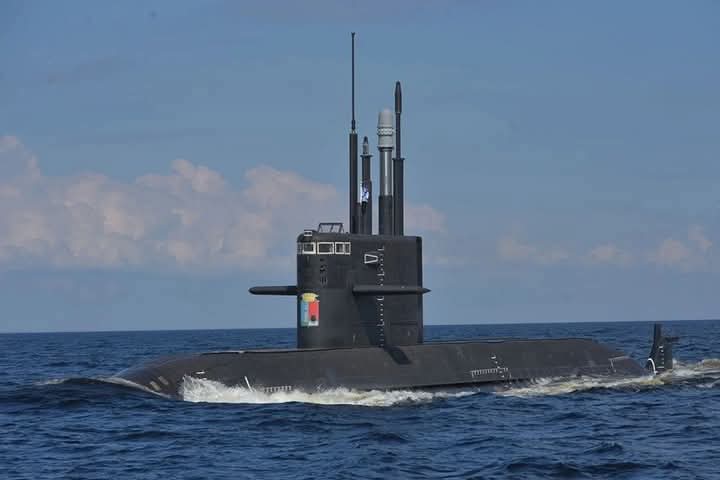
Russia’s decision to deploy submarines—one of the most sensitive and provocative assets in modern warfare—goes far beyond a routine logistical mission. Submarines are not ceremonial escorts. They are strategic weapons, designed for deterrence, surveillance, and if necessary, destruction. Their presence sends a clear message: Moscow is willing to project power far beyond its borders, even into the Western Hemisphere, an area historically regarded by Washington as a red line.
On the other side, Trump’s reported order reflects a posture that is equally confrontational. Detaining Russian vessels, especially those escorted by military submarines, would amount to a direct challenge to Russian sovereignty. Such an act would not be a warning shot—it would be a spark thrown into a room filled with fuel.
The situation becomes even more disturbing with reports that the Russian ships are navigating near Ireland, a region that places them uncomfortably close to NATO’s strategic maritime corridors. Any miscalculation, any misread radar signal, any aggressive maneuver could rapidly escalate into an international incident with consequences far beyond the Atlantic.
Venezuela’s role in this unfolding drama cannot be ignored. Is the country merely a refueling point, or is it becoming a willing stage for great-power rivalry? Caracas has increasingly aligned itself with Moscow as it faces pressure and isolation from the West. By allowing Russia to operate so openly, Venezuela risks transforming itself from a struggling nation into a frontline outpost in a global power contest.
What makes this episode especially dangerous is the absence of transparency. Conflicting claims, circulating images of submarines, and unverified movements create a fog of information in which propaganda thrives and truth struggles to survive. In such an environment, public fear grows, markets react, and military planners assume the worst.
History offers a clear warning. From the Cuban Missile Crisis to Cold War naval standoffs, the world has seen how quickly maritime confrontations can spiral toward catastrophe. The lesson has always been the same: power without restraint is reckless, and pride without dialogue is deadly.
If global leaders continue to issue orders through threats rather than negotiations, the oceans—once symbols of connection and trade—will become arenas of intimidation and conflict. The world does not need another test of who blinks first. It needs leadership grounded in responsibility, not theatrics.
This moment demands calm heads, open channels, and immediate diplomatic engagement. Anything less risks turning a fuel shipment into a flashpoint—and a show of force into a global crisis.
- DPP Blues Rebels Brings Division InThe way Charles Mchacha is castigating the Leader of Opposition in Parliament, Hon Kondwani Nankhumwa, is just testimony enough that…
- Malawi Freedom Network advice President Banda to fight corruption
 If you thought Malawians are lazy people, I bet you a Dinosaur, think twice and you will know, check in…
 - Malawi Government Faulted Over Arrests of Coup SuspectsThe recent arrest in Malawi of three opposition politicians accused of planning to unseat President Peter Mutharika is dissent from…
- Allegations of a coup plot sour diplomatic tiesThe US embassy has denied involvement in an alleged plot to overthrow the president, Peter Mutharika. Analysis Media reports that…
- Financial Firm TD Ameritrade Launches Chatbot For Facebook
 Far far away, behind the word mountains, far from the countries Vokalia and Consonantia, there live the blind texts. Separated…