By Burnett Munthali
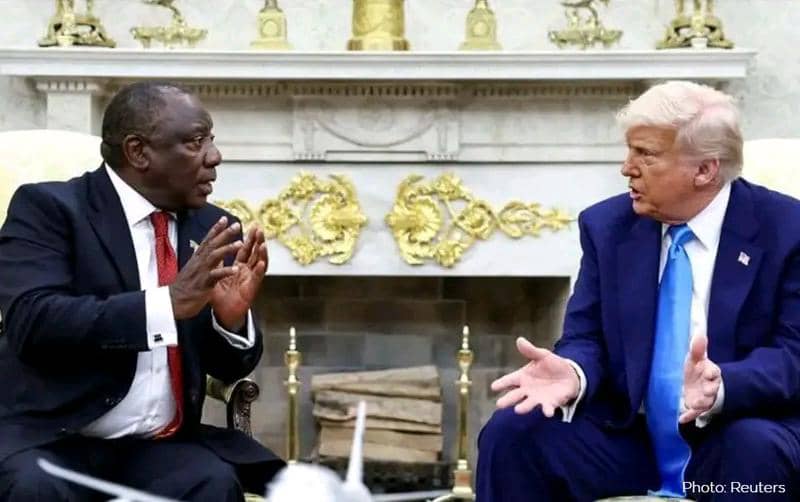
The US and South African officials reached an agreement during a closed-door meeting in late December to allow the US to continue its controversial effort to bring white South Africans to the US as refugees. This agreement has sparked intense debate and criticism, with many questioning the motivations behind the US’s actions and the potential implications for South Africa’s fragile social and economic landscape.
The deal reportedly allows the US to prioritize white South Africans as refugees, citing concerns about farm attacks and violence against whites, a narrative that has been widely criticized as exaggerated and racially motivated. Critics argue that the US is perpetuating a narrative of white victimhood and ignoring the historical context of apartheid and ongoing racial inequalities in South Africa.
The agreement has also raised concerns about the potential for brain drain and the loss of skilled professionals in South Africa, as well as the impact on the country’s already strained relations with the US. The US has been accused of using the refugee program as a way to cherry-pick skilled and educated individuals from South Africa, rather than addressing the root causes of migration and instability in the region.
South African officials have been accused of compromising on the country’s sovereignty and dignity by agreeing to the deal, with many calling for greater transparency and accountability in the negotiations. The agreement has also sparked fears about the potential for increased xenophobia and anti-American sentiment in South Africa, as well as the impact on the country’s relations with other nations.
The US’s actions have been criticized as a form of neo-colonialism, with many arguing that the country is seeking to exploit South Africa’s resources and talent for its own benefit. As news of the agreement spreads, protests and demonstrations are erupting across South Africa, with many calling for the government to reconsider its decision and prioritize the needs and interests of its citizens.
- BREAKING NEWS: Drama in Parliament as Speaker Orders Owner of ‘Charm’ to Come Forward
 By Suleman Chitera Tension gripped Parliament this afternoon after Speaker Sameer Suleman announced that an unidentified individual had allegedly dropped…
 - RBM Governor Rallies Banks to Fund Real Economy as Malawi Faces Economic Headwinds
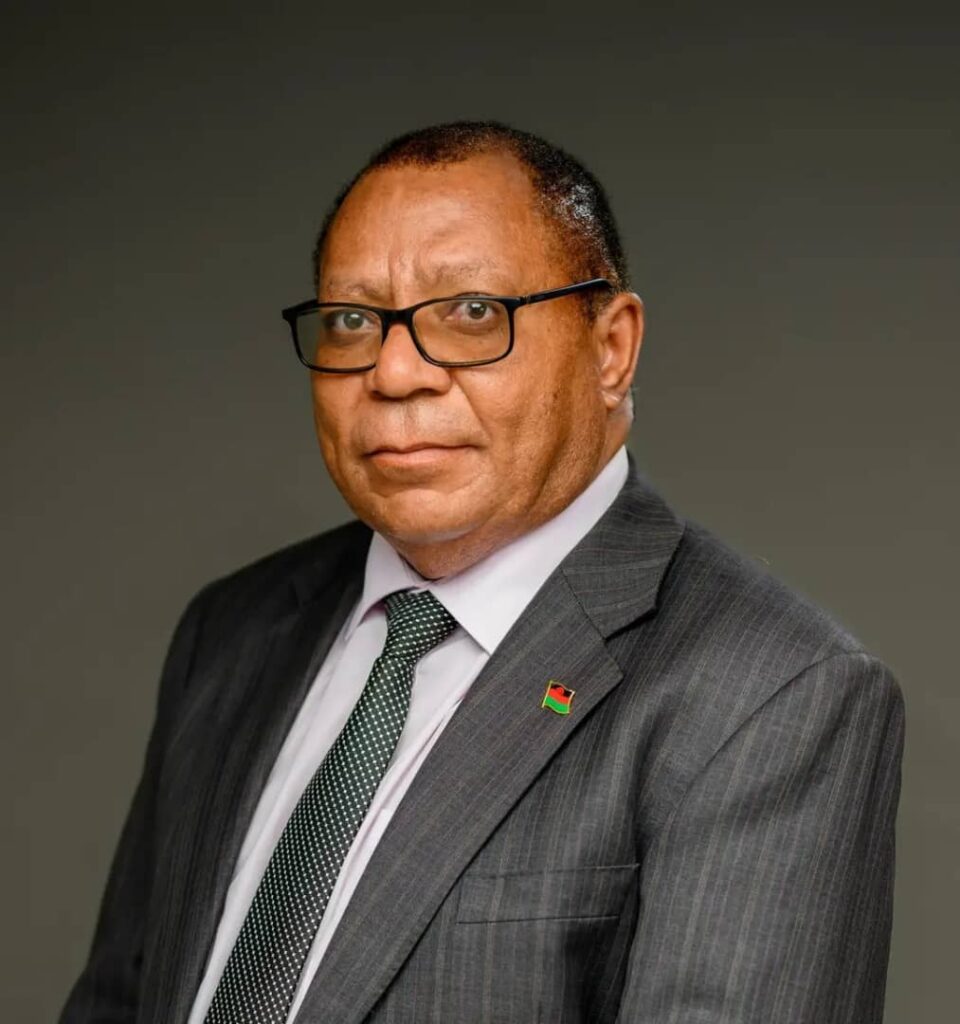 By Suleman Chitera The Governor of the Reserve Bank of Malawi (RBM) and Registrar of Financial Institutions, Dr. George Partridge,…
 - Kalindo says the cry for passports continues in Malawi
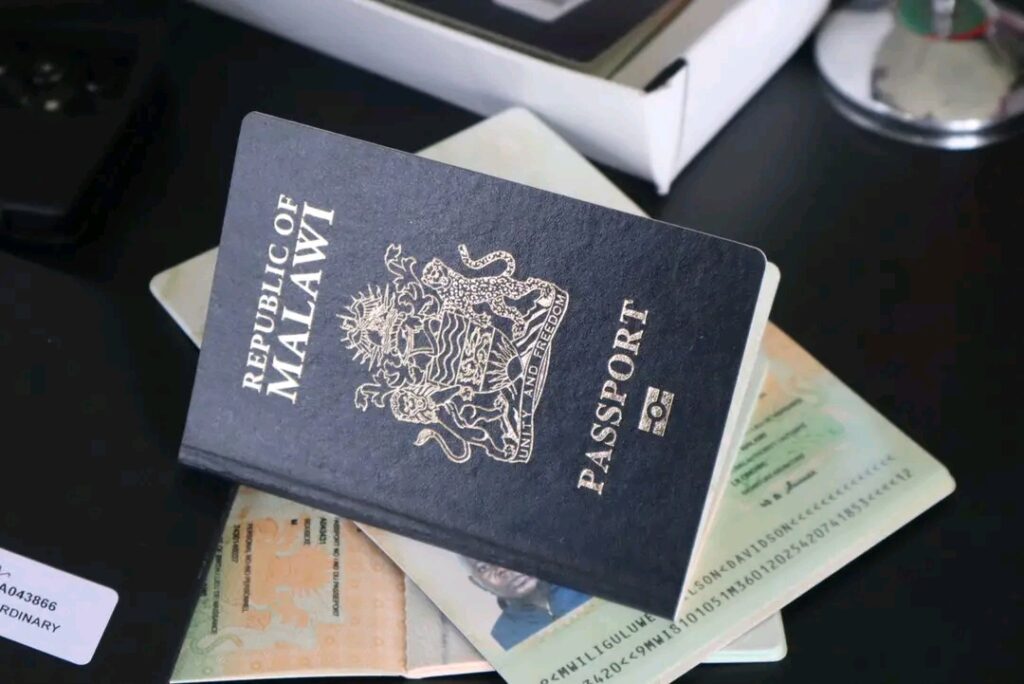 By Vincent Gunde Political activist Bon Kalindo, says despite Deputy Minister for Homeland Security Norman Paulosi Chisale visited the Immigration…
 - Kamangila says Mutharika will be the greatest President in Africa
 By Vincent Gunde Lawyer and Human Rights Defender Alexious Kamangila has written a food for thought on his face book…
 - BMTV, Ntanyiwa joins hands for foot soldiers concerns to Mutharika
 By Vincent Gunde Bakili Muluzi TV television station and Limpopo FMs online radio’s Comrade Ntanyiwa, have joined hands reminding President…
 - Limpopo FM urges Malawians to protect K7 trillion to corrupt Judges
 By Vincent Gunde Limpopo FM online radio station has urged Malawians regardless of political party affiliations to do whatever they…
 - NBM plc supports ESCOM PIESA conference with K10 million
 By Suleman Chitera National Bank of Malawi (NBM) plc has donated K10 million to the Electricity Supply Corporation of Malawi…
 - Jatta Rallies Africa to Unite as He Makes Historic Address to Malawi Parliament
 By Suleman Chitera Speaker of the National Assembly of The Gambia, Fabakary Tombong Jatta, has delivered a powerful and historic…
 - Kamangila Explodes Over New Tax Plans, Says MRA Failures Are Bleeding Malawi Dry
 By Suleman Chitera Renowned lawyer Alexious Kamangila has launched a blistering attack on government’s fiscal direction, warning that introducing new…
 - Pension Fund Hotel Deal Sparks Transparency Storm as Price Balloons by K100 Billion
 By Suleman Chitera Serious governance and fiduciary concerns have engulfed the proposed acquisition of the Amaryllis Hotel in Blantyre by…
 - Muslims urged to embrace Ramadan with generosity and prayer
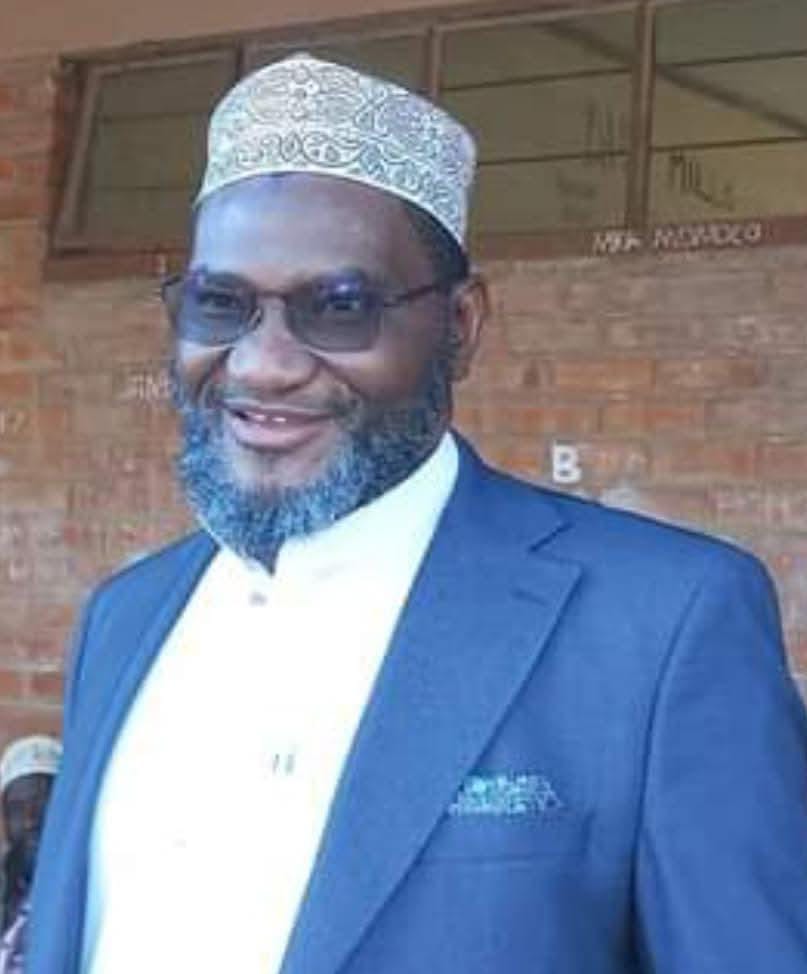 By Aubrey Thom Vakhani Muslim Association of Malawi (MAM) National Chairman, Sheikh Idrissa Muhammad has urged Muslims in the country…
 - FDRD Slams Trial by Public Opinion, Demands Respect for Rule of Law
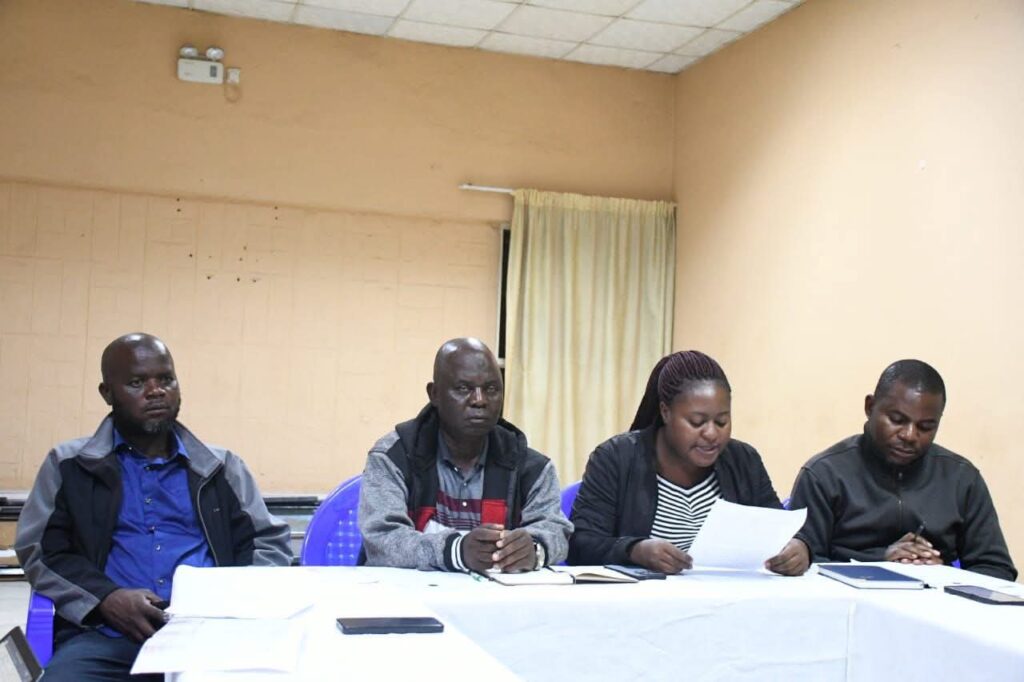 By Suleman Chitera The Forum for Democracy and Rights Defenders (FDRD) has issued a blunt warning against what it describes…
 - Kamphangala dismisses claims that UTM supporters are politicizing Chilima’s death
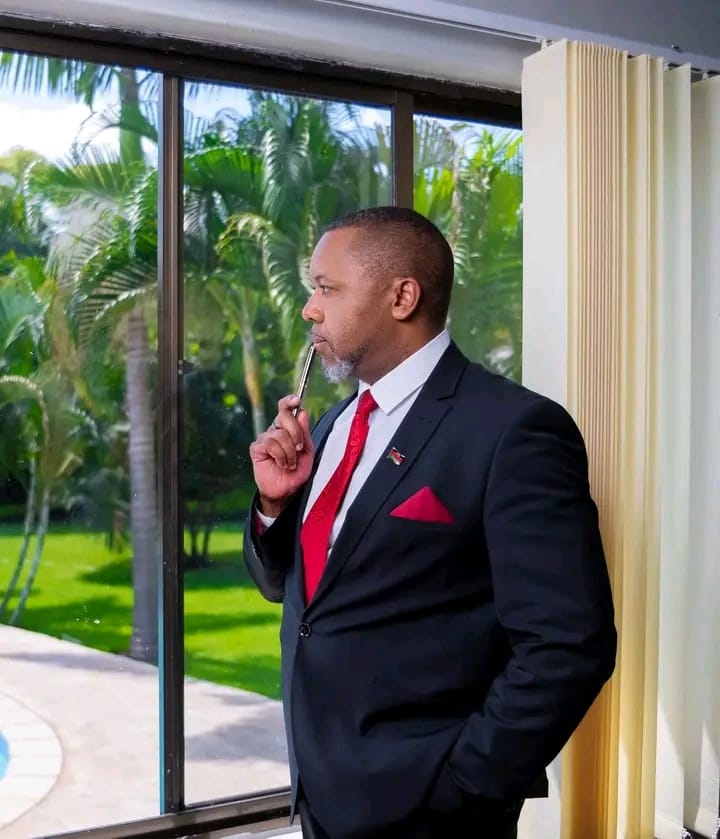 By Vincent Gunde A Malawi Congress Party (MCP) diehard of Mvera in Dowa district Mr. Rodgers Kamphangala, has dismissed claims…
 - Reclaiming NEEF for the People: A Call to Dismantle Barriers and Deliver Real Economic Justice
 By Comrade Jumbe Economic empowerment must not be a slogan. It must be measurable, accessible, and transformative. The National Economic…
 - Pressure Mounts on Attorney General Frank Mbeta as CDEDI Demands Resignation
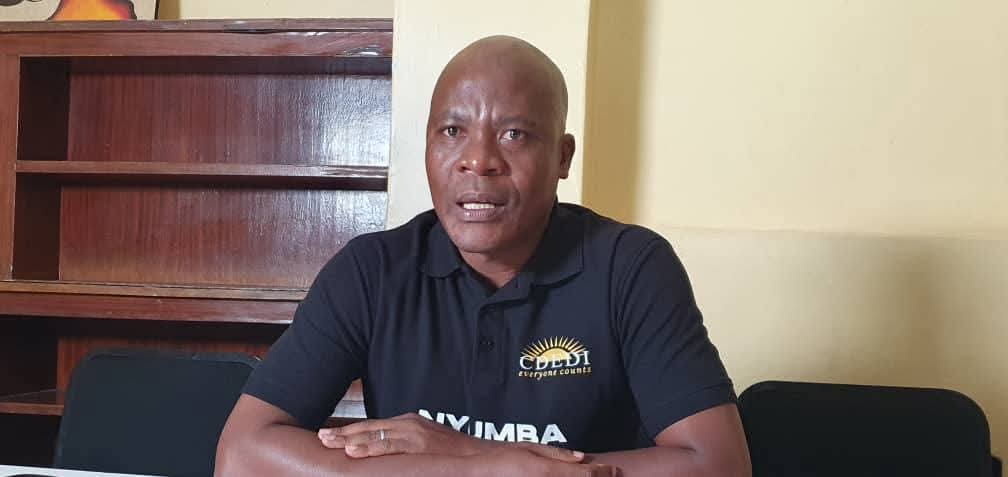 By Suleman Chitera Fresh calls for accountability have intensified against Attorney General Frank Mbeta, with civil society organisation Centre for…
 - Nathenje Communities Laud APM’s Governance
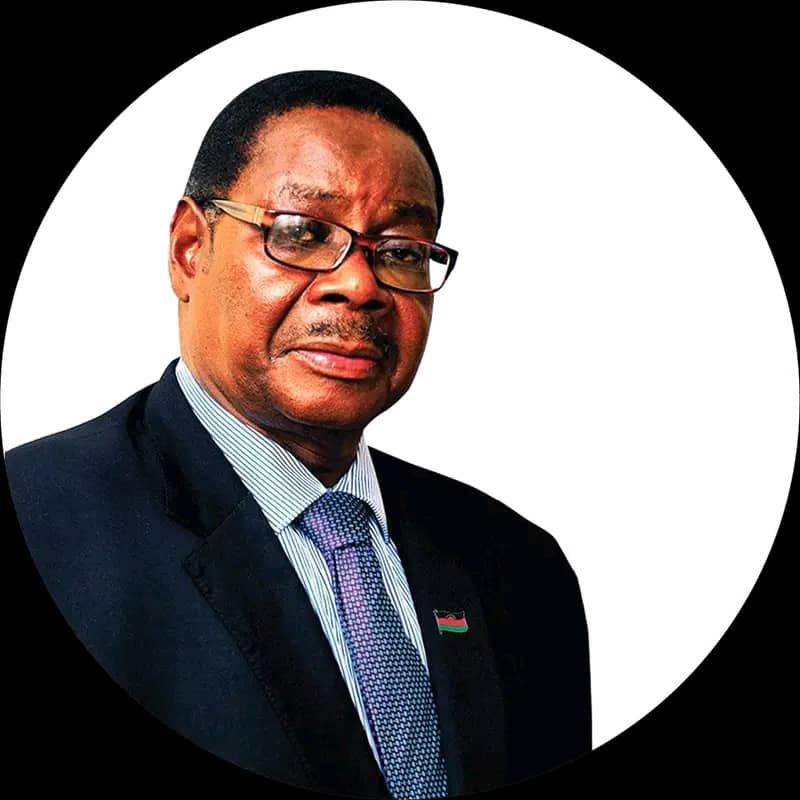 By Mabvuto Kalawa, Correspondent, Malawi Freedom Network Communities in Nathenje are acknowledging President Arthur Peter Mutharika’s government’s efforts in improving…
 - SKC memorial golf tourney March 28
 By Suleman Chitera The Saulos Klaus Chilima Foundation has organised a fundraising golf tournament in memory of the late Vice…
 - Ayuba James: A Steadfast Voice of Integrity Within the MCP
 By Suleman Chitera In the evolving landscape of Malawi’s politics, Ayuba James is increasingly being recognised as a principled and…
 - Mighty Wanderers FC Set for CAF Champions League Return After Mpinganjira Green Light
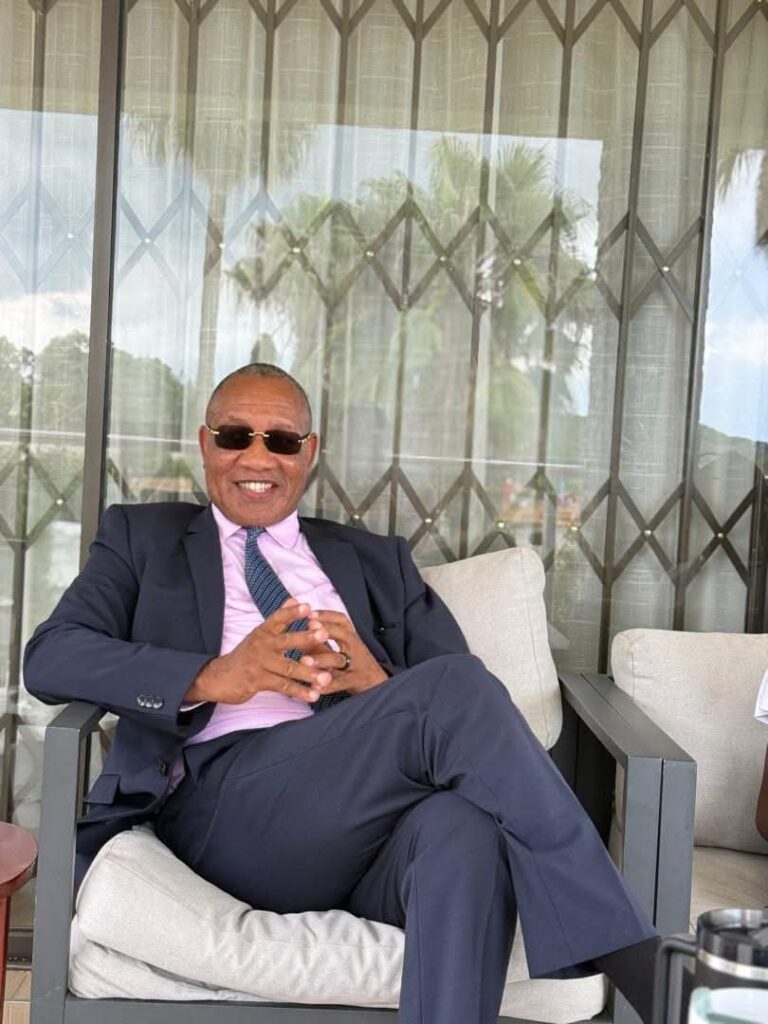 By Suleman Chitera Malawi football giants Mighty Wanderers FC have officially confirmed their participation in the 2026/27 CAF Champions League,…
 - Mutharika Cracks Down on Health Sector Corruption with Sweeping Executive Order After Media Expose
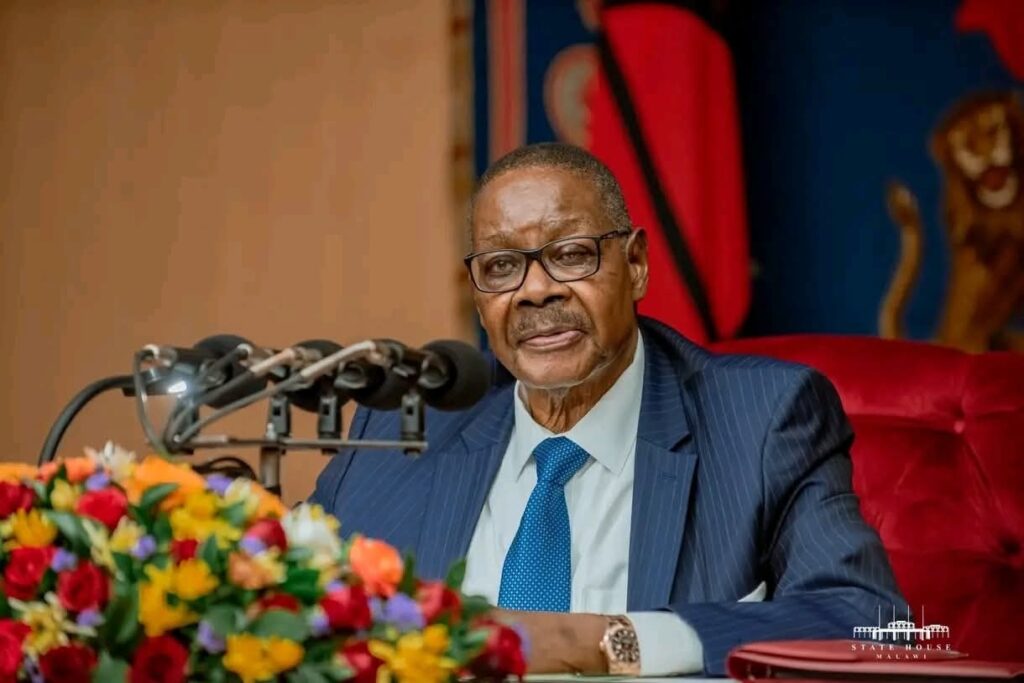 By Suleman Chitera State President Peter Mutharika has issued a sweeping executive order aimed at overhauling the country’s public health…
 - BMTV tells DPP to start recognizing its foot soldiersBy Vincent Gunde Bakili Muluzi TV online television station, has advised senior Democratic Progressive Party (DPP) members to think twice…
- HRCC Demands Police Update on Sameer Sacranie Abduction as Public Anxiety Mounts
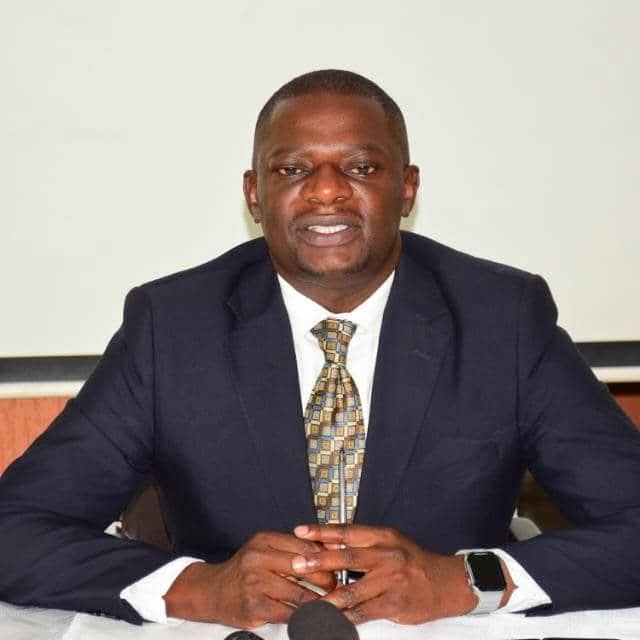 By Suleman Chitera The Human Rights Consultative Committee (HRCC) has intensified pressure on law enforcement authorities to provide a public…
 - Malawi, Tanzania Sign Simplified Trade Regime to Boost Small-Scale Cross-Border Commerce
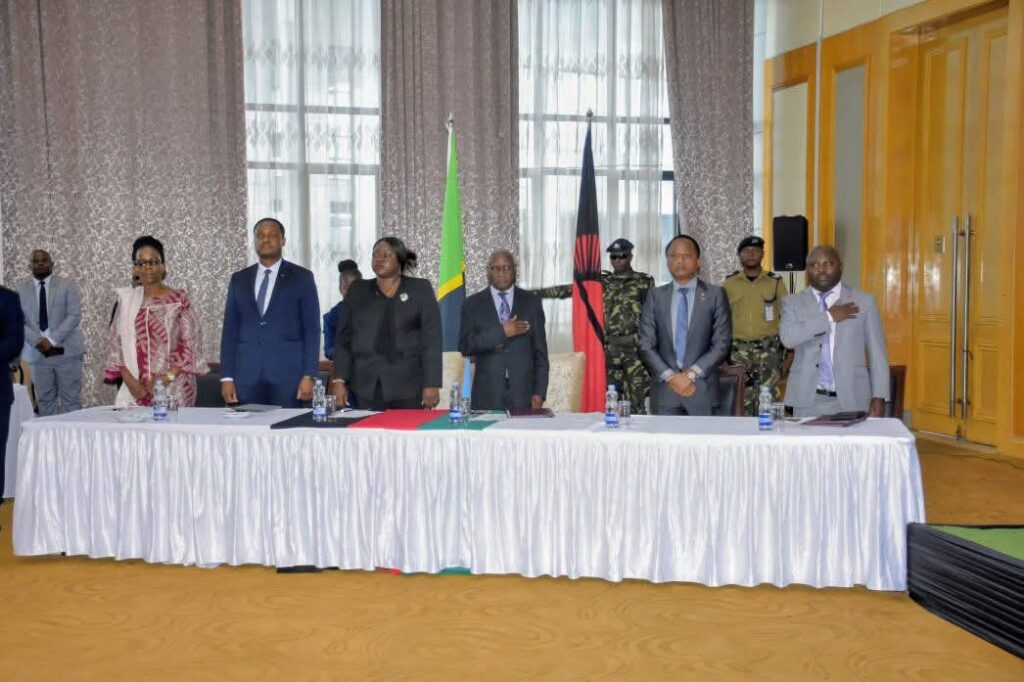 By Suleman Chitera Malawi and Tanzania have formally signed a Simplified Trade Regime (STR) aimed at transforming cross-border trade for…
 - Dust settles down at Nathenje F.P. School as chiefs and teachers engage in dialogue
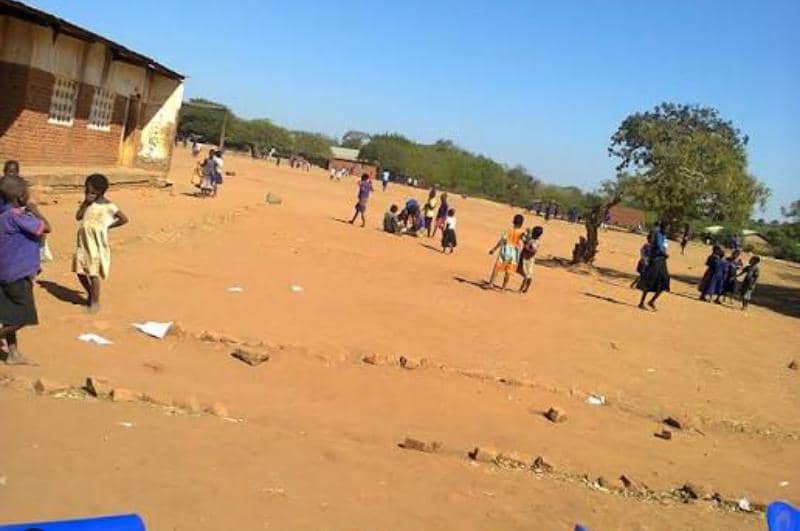 By Mabvuto Kalawa, Correspondent Malawi Freedom Network A dispute between teachers and chiefs at Nathenje Full Primary School has been…
 - DPP ordered to explain discontinuance of high-profile case
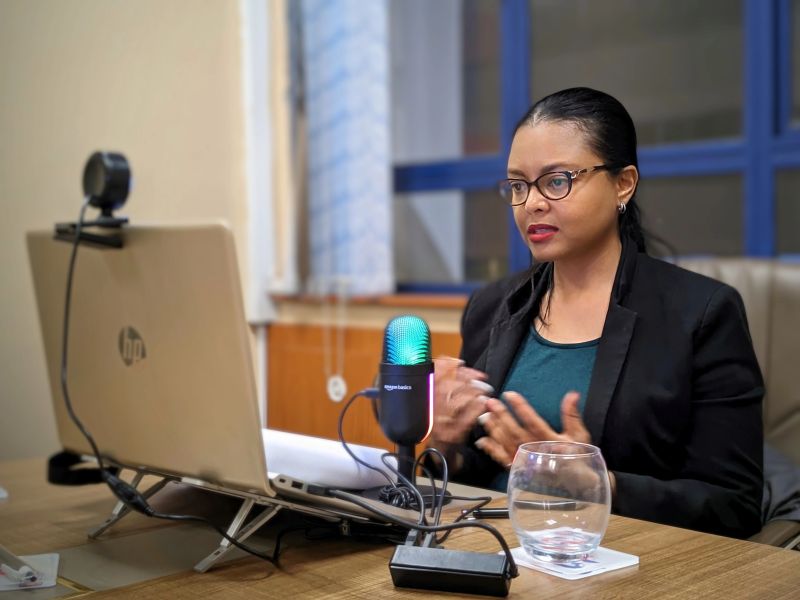 By Burnett Munthali High Court Judge Violet Chipao has issued a directive to the Office of the Director of Public…
 - Will the SONA heal the wounds of most Malawians?
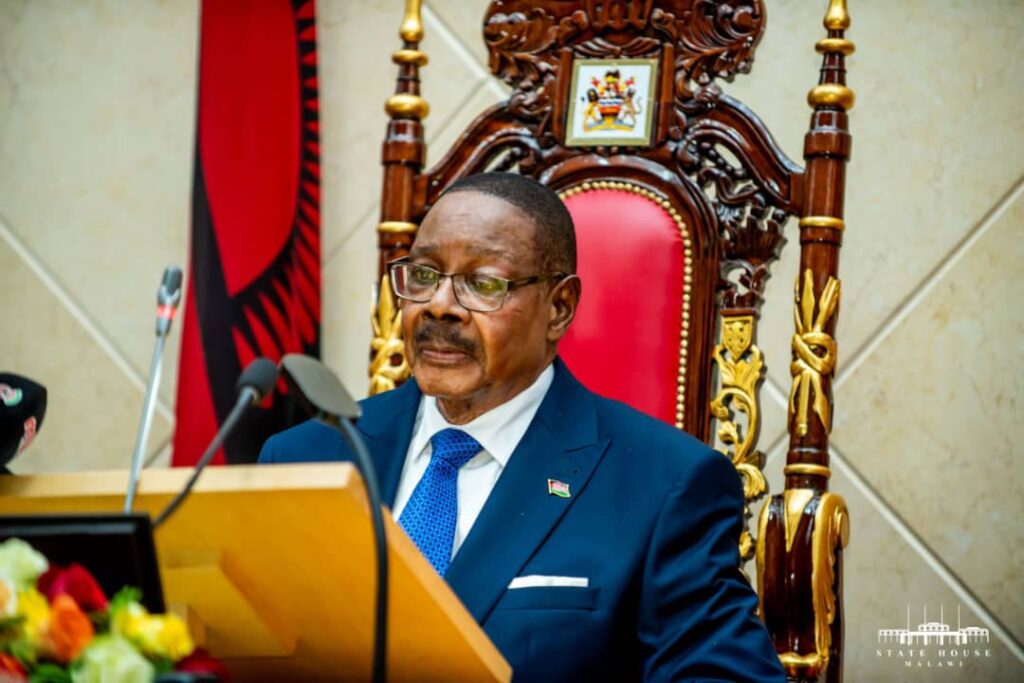 By Mabvuto Kalawa, Correspondent Malawi Freedom Network As Malawi awaits the State of the Nation Address (SONA) by President Professor…
 - MCP Media Manager calls Chakwera to end intra-party war
 By Vincent Gunde Malawi Congress Party (MCP) Media Manager Dickson Kashoti, has called on the party President Dr. Lazarus Chakwera…
 - BMTV says Mutharika cannot change things in a day
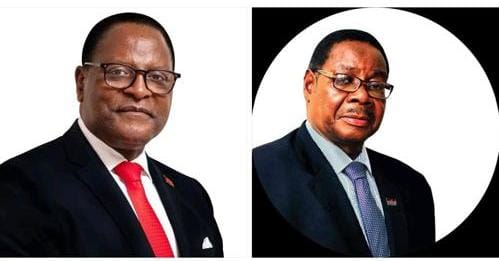 By Vincent Gunde Bakili Muluzi TV online television station, says President Professor Arthur Peter Mutharika cannot change things which President…
 - Malawi and UK reaffirm strong partnership amidst economic challenges
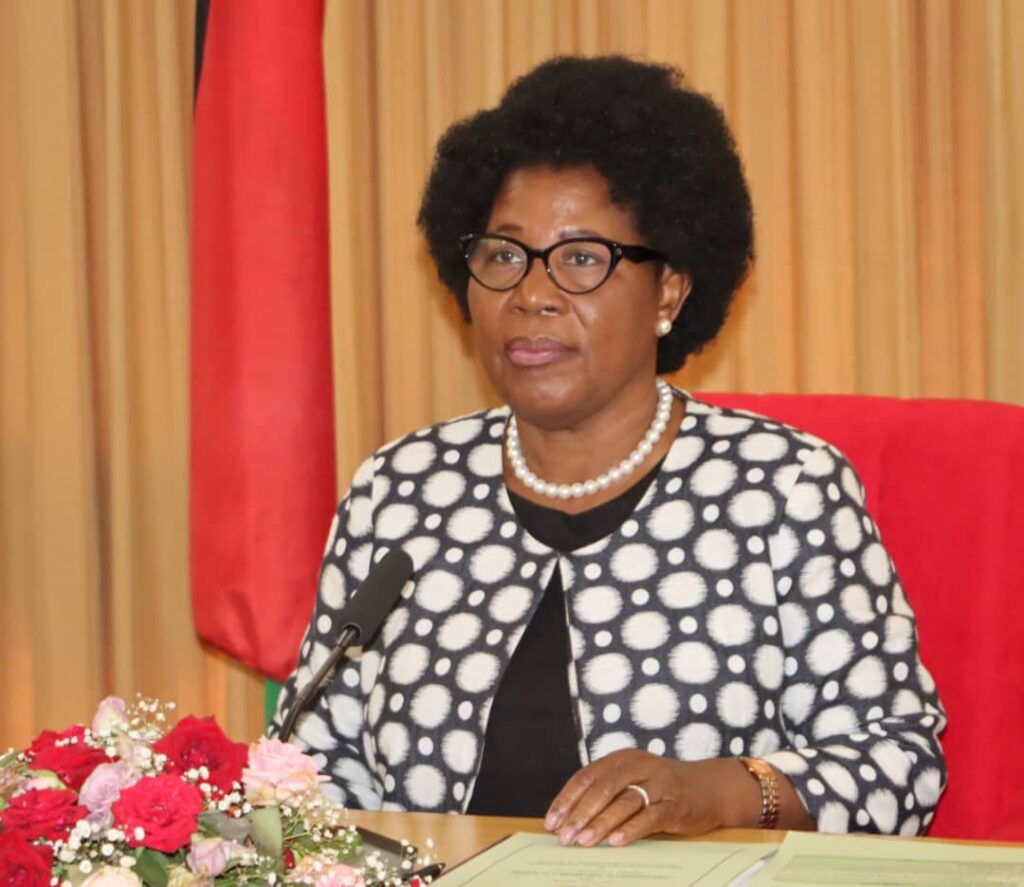 By Burnett Munthali Malawi values its long-standing and productive relationship with the United Kingdom, describing it as one built on…