By Suleman Chitera
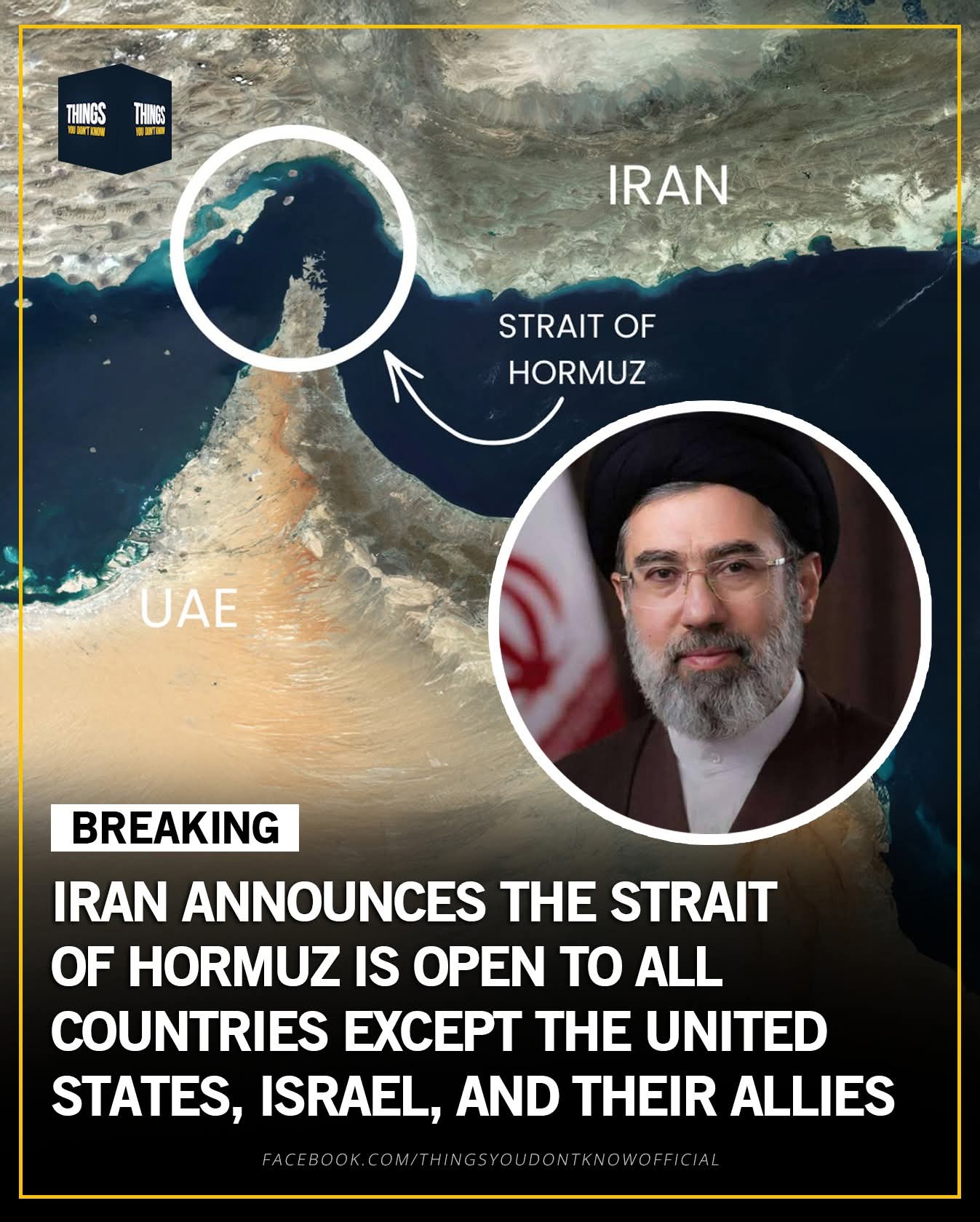
Tensions in the Persian Gulf remain high after Iran announced that the strategic Strait of Hormuz is now open to international shipping—but not to the United States, Israel, or their allies.
Iran’s Foreign Minister Abbas Araghchi made the announcement on 14 March 2026, saying Tehran would allow vessels from most countries to pass through the critical waterway following days of disruption linked to escalating regional hostilities.
The strait, located between Iran and Oman, is widely regarded as the world’s most important oil shipping route, carrying roughly 20 percent of global crude supplies and a large share of liquefied natural gas exports.
Selective reopening
Shipping activity began cautiously resuming over the weekend. Two Indian-flagged tankers transporting liquefied petroleum gas crossed the strait safely on Saturday morning, while a Turkish vessel was also granted permission to transit. Iranian authorities additionally approved passage for a Saudi tanker carrying about one million barrels of oil bound for India.
Despite the partial reopening, Iran maintained restrictions on ships connected to the United States, Israel, and their partners, effectively giving Tehran control over which vessels can move through the chokepoint.
The waterway had been largely shut since early March after Iranian forces moved to block traffic following military strikes attributed to the United States and Israel. The closure immediately rattled global energy markets and sent oil prices surging above $100 per barrel.
Trump calls for naval coalition
Former U.S. President Donald Trump responded by urging the formation of a multinational naval coalition to guarantee freedom of navigation through the strait.
Trump suggested that countries heavily dependent on Gulf energy supplies—including China, France, Japan, South Korea, and the United Kingdom—should join efforts to ensure the shipping route remains open.
Oil flows continue despite tensions
Even during the shutdown, analysts say Iranian oil exports continued to reach China, often transported by older tankers operating quietly to avoid scrutiny.
Energy experts warn that prolonged instability around the Strait of Hormuz could have far-reaching consequences for the global economy. Any disruption to traffic through the narrow passage—through which millions of barrels of oil pass daily—can quickly drive up fuel prices and strain supply chains worldwide.
While some vessels are now moving again, the selective access policy announced by Tehran underscores how fragile the situation remains in one of the world’s most strategically important waterways.
- Iran Reopens Strait of Hormuz to Most Nations, Bars U.S., Israel and Allies
 By Suleman Chitera Tensions in the Persian Gulf remain high after Iran announced that the strategic Strait of Hormuz is…
 - Iran Warns Ukraine Could Become “Legitimate Target” Over Drone Support to Israel
 By Suleman Chitera Iran has warned that Ukraine could face potential military retaliation if it continues assisting Israel in countering…
 - Call for A national Anti-Corruption demonstrations
 by Senior Citizen Willard Mhone Fellow Malawians, Recent developments surrounding the Amaryllis Hotel transaction have raised serious questions among citizens…
 - Controversy Surrounds Sale of Amaryllis HotelBy Staff Reporter The sale of the Amaryllis Hotel has sparked fresh controversy after it emerged that several individuals were…
- Russia Sends 13 Tons of Humanitarian Medical Aid to Iran Amid Ongoing Conflict
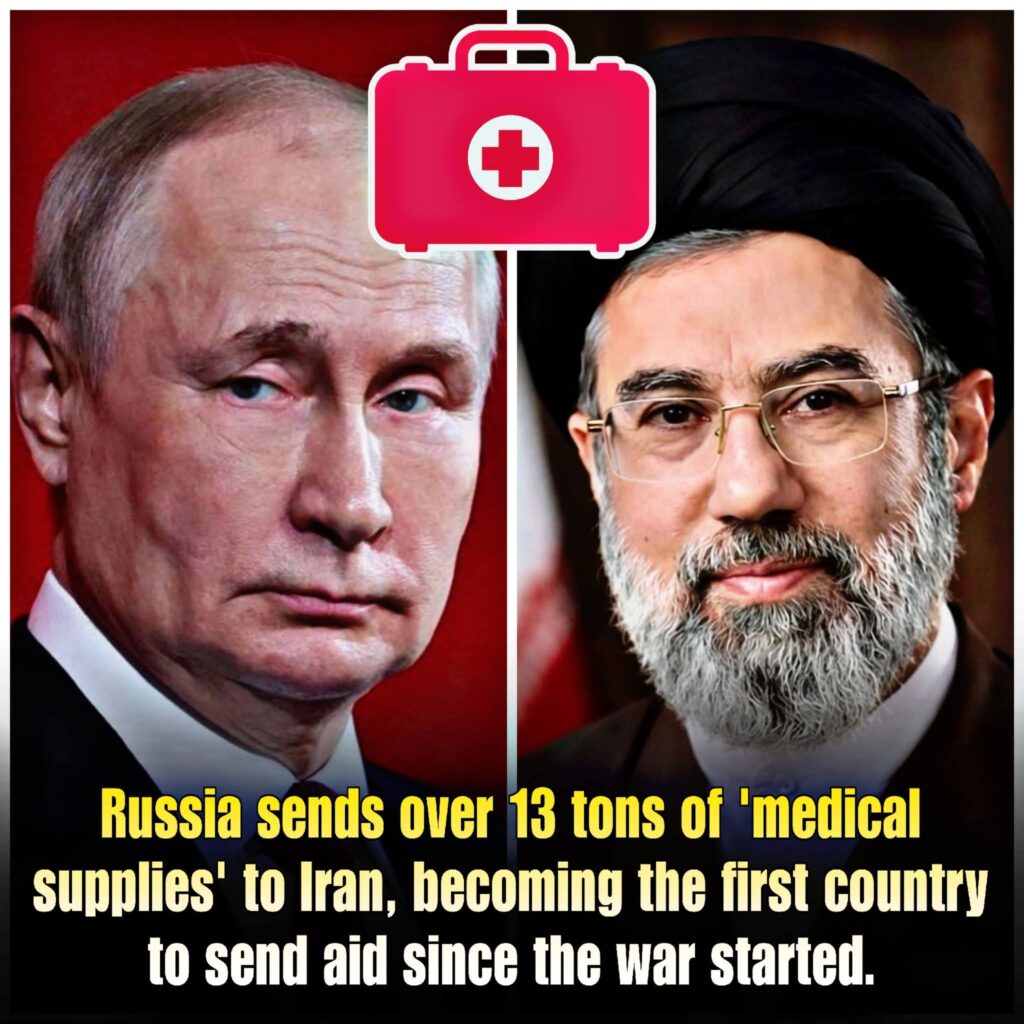 By Suleman Chitera Russia has delivered more than 13 tons of humanitarian medical supplies to Iran, becoming the first country…
 - Standard Bank tees off SKC memorial golf with K20 million donation
 By Suleman Chitera Standard Bank of Malawi Plc has pumped in K20 million into the inaugural Saulos Klaus Chilima (SKC)…
 - Former Qatari PM Warns of Serious Consequences if Iran Tensions Escalate into Regional War
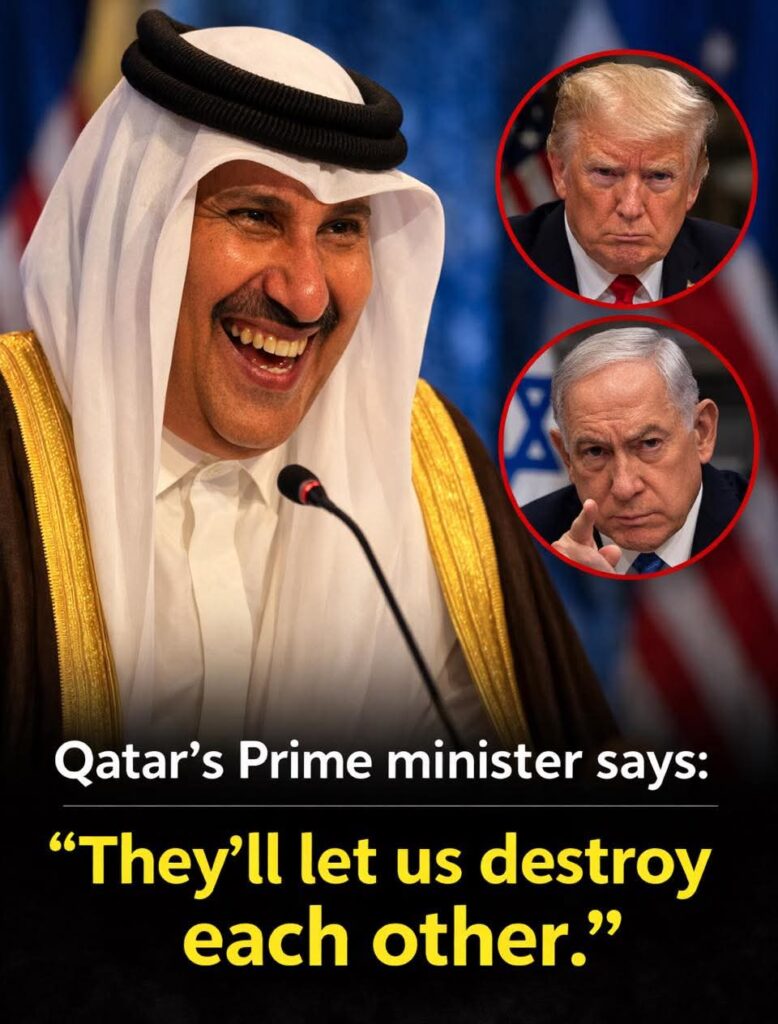 By Suleman Chitera Former Qatari Prime Minister Hamad bin Jassim bin Jaber Al Thani has warned that escalating tensions involving…
 - Breaking News: Explosion Halts Oil Operations at Fujairah Port
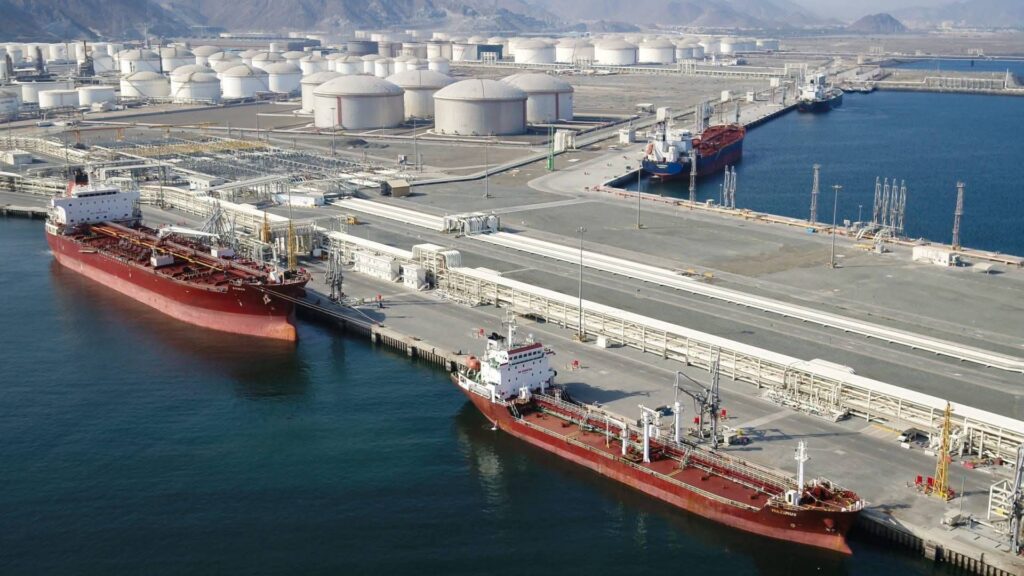 By Suleman Chitera Oil loading operations have been suspended at the port of Fujairah near the strategic Strait of Hormuz…
 - Islamic Revolutionary Guard Corps General Ibrahim Jabari Warns Iran Ready for Long War With United States
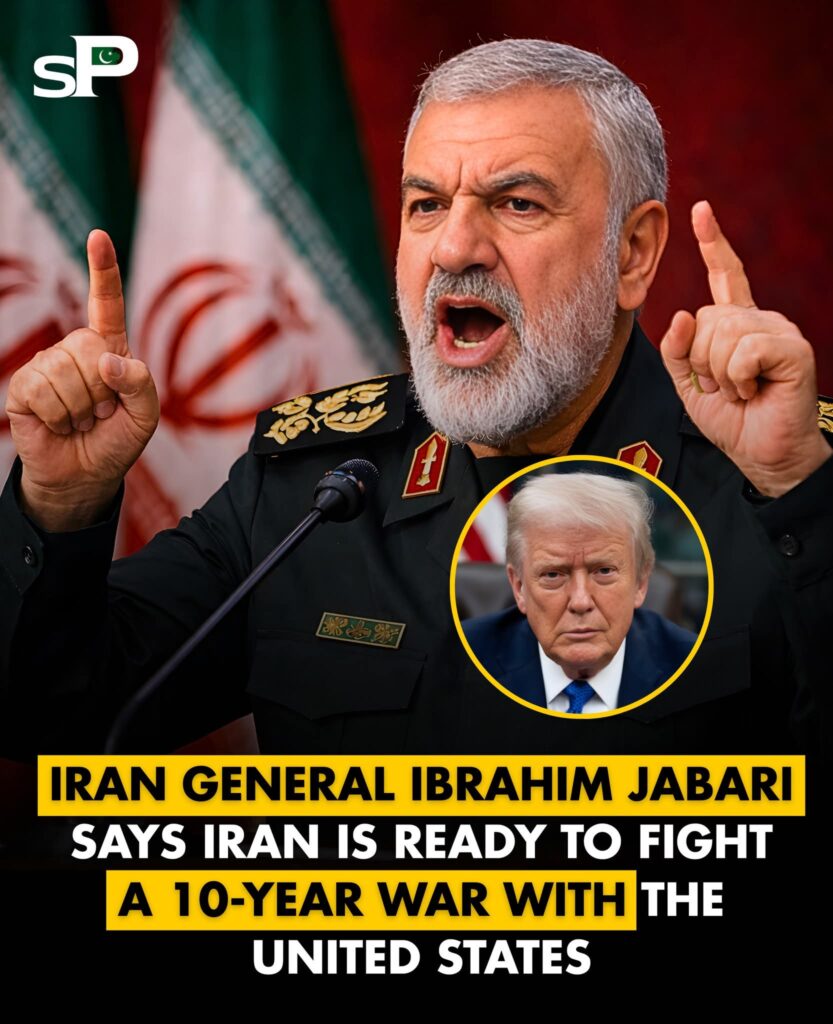 By Suleman Chitera Tensions between Iran and the United States have taken a sharper tone after senior commander Ibrahim Jabari…
 - ACB Recognizes CCYCDO as Community Anti-Corruption Champion
 By: Felix Van Captain Oggess The Anti-Corruption Bureau (ACB) in Balaka has awarded a certificate of recognition to CCYCDO for…
 - SeedCo plants K10 million into SKC Charity golf
 By Suleman Chitera SeedCo Malawi has contributed K10 million towards the procurement of dialysis and monitoring machines for kidney failure…
 - NICO Group fires up SKC Charity golf with K25 million sponsorship
 By Suleman Chitera Conglomerate NICO Group has thrown its weight behind the Saulos Klaus Chilima Foundation’s Charity Fundraising Golf Tournament…
 - Iran fires clusters warhead ballistic missiles at Tel Aviv as conflict intensifies
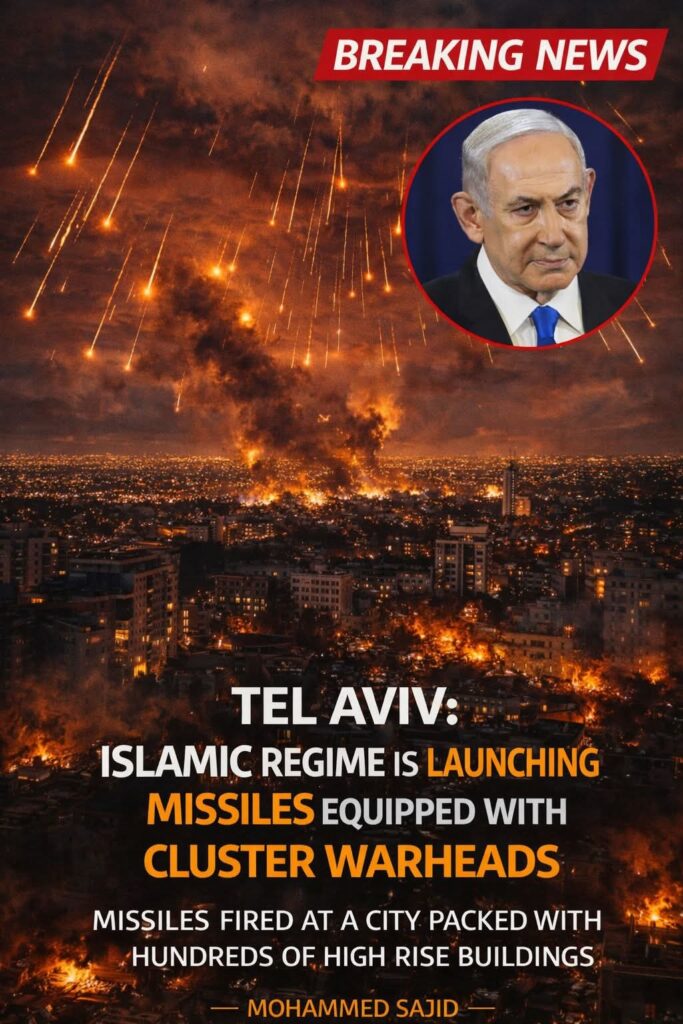 By Correspondent in Tel Aviv A dangerous new phase in the Middle East conflict unfolded as the Israel Defense Forces…
 - Government Tested by Crime: A Call for Decisive Action on Security
 By Imran Jumbe – 8 March 2026 Security remains the first and most fundamental responsibility of any government. Without it,…
 - Kamphangala hopes civil service headcount to expose ghost workers
 By Vincent Gunde A Malawi Congress Party ( MCP) diehard of Mvera in Dowa district Mr. Rodgers Kamphangala, has expressed…
 - Iran Launches Ballistic Missiles at U.S. Base in Saudi Arabia in Direct Retaliation
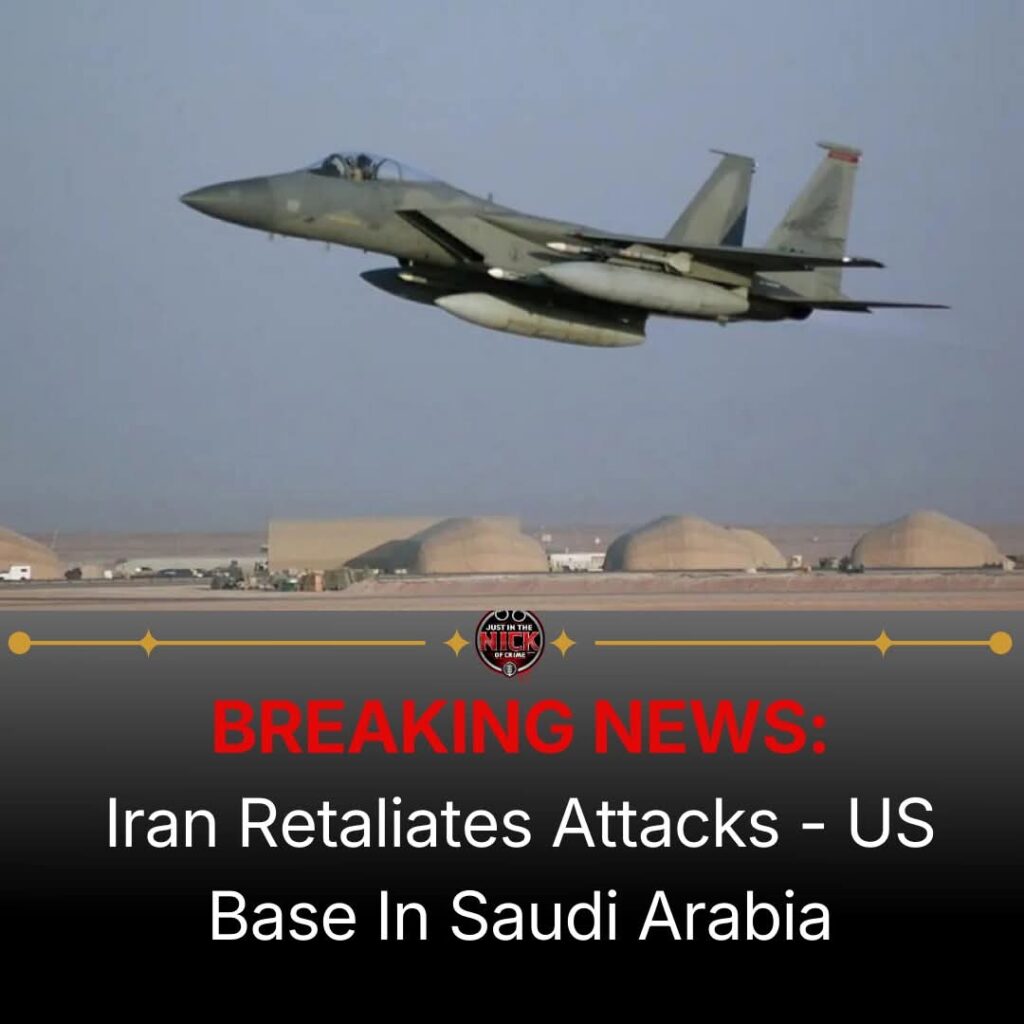 By Suleman Chitera Tensions in the Middle East have escalated dramatically after Iran launched a surge of ballistic missiles targeting…
 - Ayuba complains of his paying school fees kids out of school
 By Vincent Gunde Counsel Silvester Ayuba James who is also Nkhotakota central constituency legislator, has complained that some kids who…
 - Limpopo FM vows to stand with Malawians not an individual person
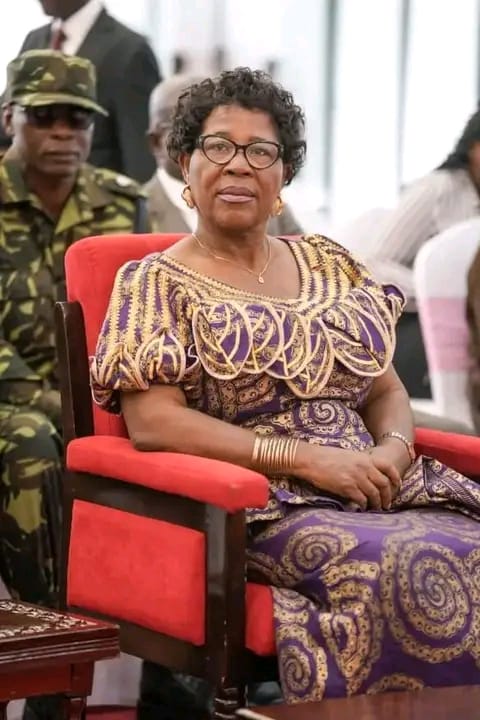 By Suleman Chitera Limpopo FM online radio station, has vowed to stand with Malawians not an individual person saying the…
 - UAE Bars U.S. From Using Its Airspace for Strikes on Iran Amid Rising Regional Tensions
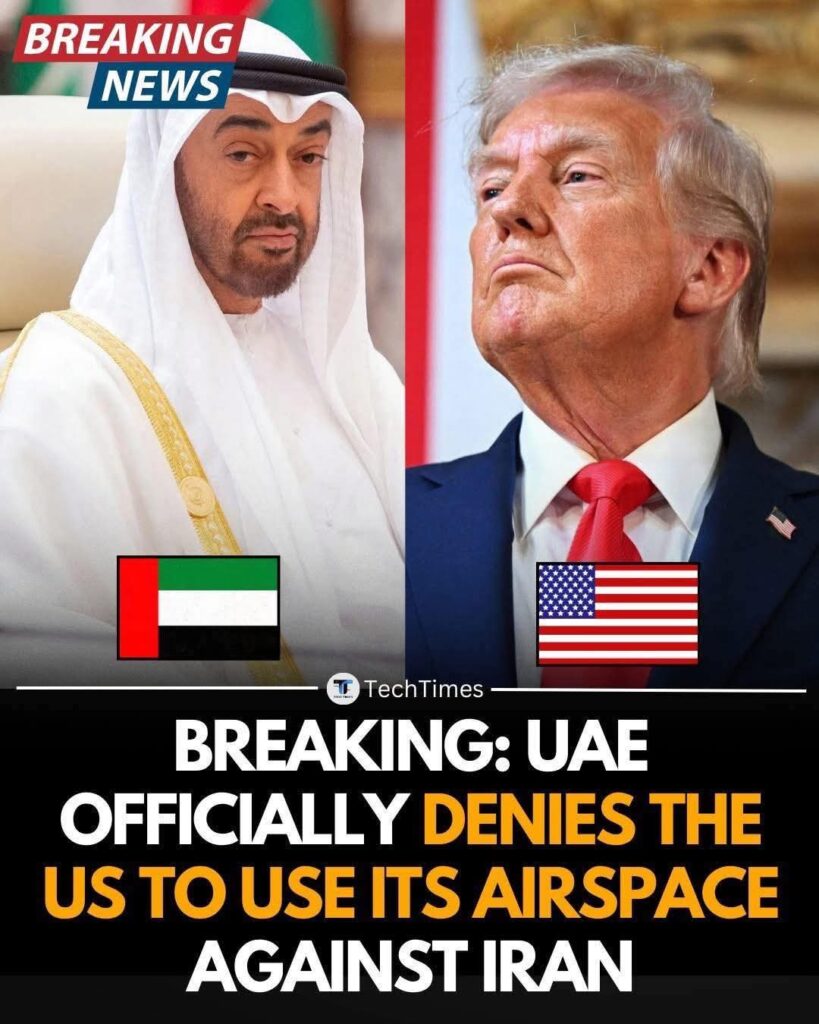 By Suleman Chitera The United Arab Emirates has formally prohibited the United States from using its sovereign airspace for any…
 - Pressure Mounts on Chakwera as MCP Members Demand Leadership Shake-Up
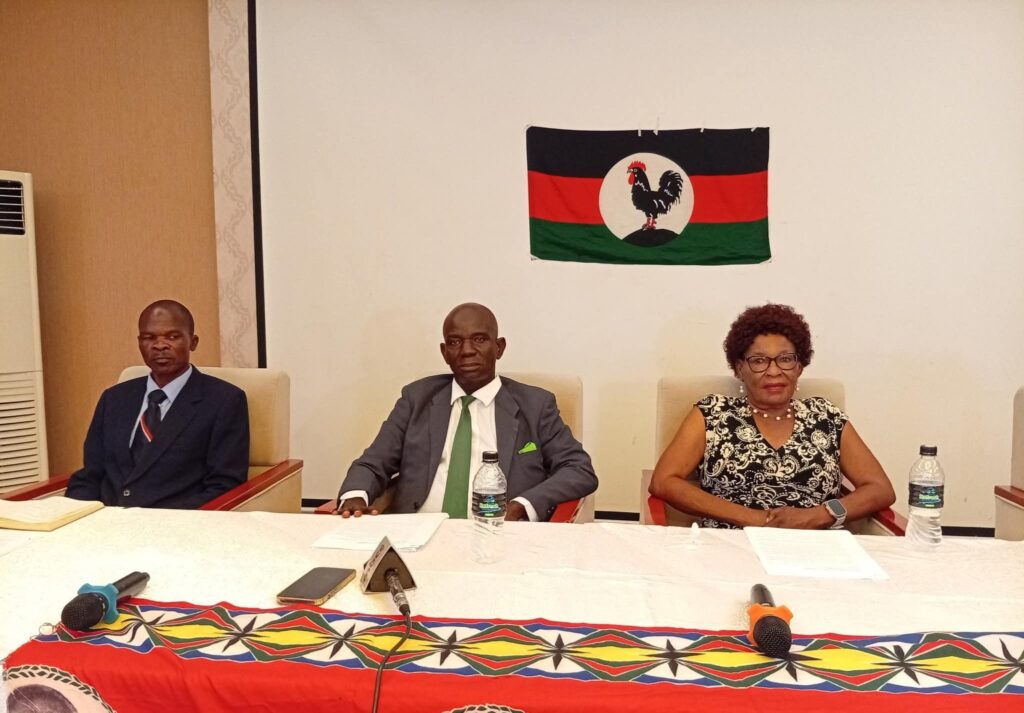 By Suleman Chitera A grouping of members from the Malawi Congress Party (MCP), operating under the banner MCP Revolution for…
 - Iran Urges U.S. Allies to Verify ‘Abraham Lincoln’ Carrier Withdrawal, Warns Against Trusting Trump
 By Suleman Chitera Tensions in the Middle East have intensified after Iran’s parliamentary leadership urged U.S. allies to independently confirm…
 - Engineers hit back: “Don’t’ blame us for cheap roads” — professionals challenge minister over infrastructure crisis
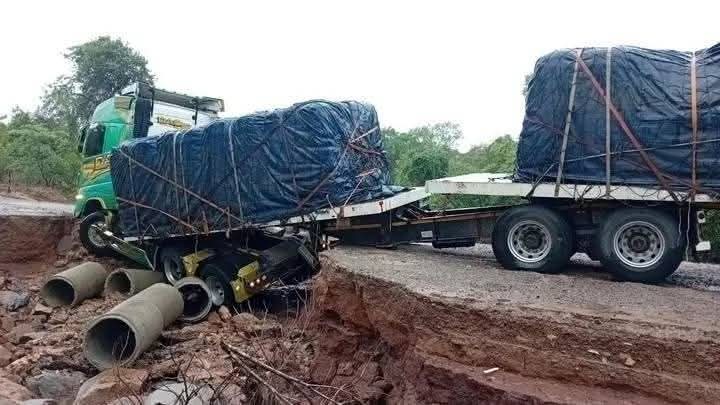 By Suleman Chitera A heated debate has erupted over the quality of Malawi’s infrastructure after Minister of Local Government and…
 - Iran Issues Explosive Warning: Revolutionary Guard Threatens Cluster Missile Response if Civilians Are Attacked Again
 By Suleman Chitera Iran has issued a stern and alarming warning, declaring that any further attacks targeting civilian areas within…