By Staff Reporter
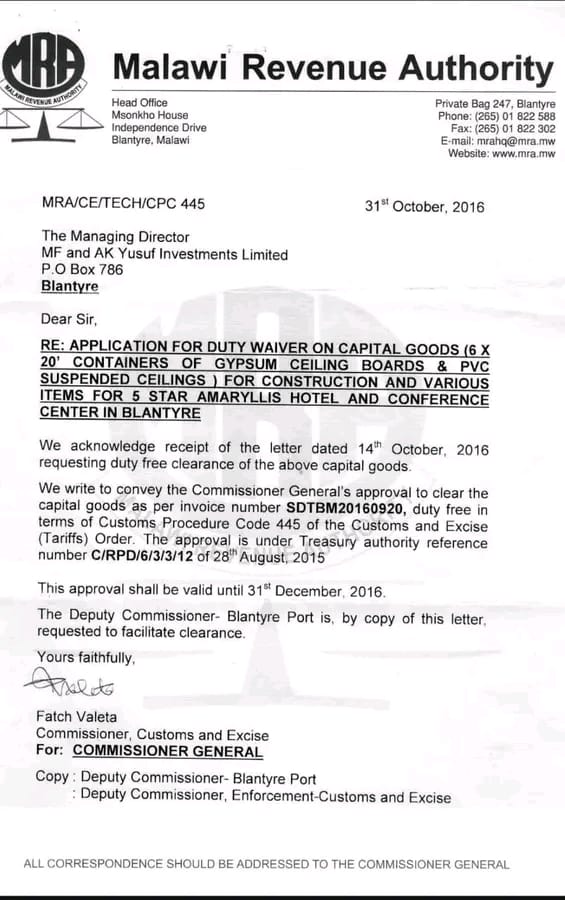
Revelations surrounding the controversial acquisition of the Amaryllis Hotel continue to mount, with new information suggesting that the property—purchased using approximately K128 billion in public funds—may have been constructed using duty-free materials under a government-approved waiver.
Sources familiar with the matter indicate that the hotel’s developers were granted exemptions on import duties for a range of construction materials, including key components such as ceiling boards. The waiver, typically issued to incentivize investment in large-scale infrastructure or tourism projects, is now at the center of growing scrutiny as stakeholders question whether the incentives were appropriately applied and whether the public ultimately received value for money.
The latest disclosures add another layer of complexity to an already contentious transaction that has sparked widespread debate across political, economic, and legal circles. Critics argue that if the developers benefited from significant tax concessions during construction, the final purchase price paid by the government should reflect those cost savings.
“This raises fundamental questions about the valuation model that informed the K128 billion price tag,” said one economic analyst. “If the input costs were reduced through duty waivers, then due diligence should have accounted for that. Otherwise, taxpayers may have paid a premium on an already subsidized asset.”
The issue of duty-free materials also introduces potential governance concerns. Observers are now calling for full disclosure of the waiver agreements, including the justification for granting them and whether all conditions attached to such incentives were fulfilled by the developers.
In Malawi, duty waivers are often used as a policy tool to stimulate sectors such as tourism and hospitality. However, their application requires transparency and strict oversight to prevent abuse or unintended financial loss to the state.
Meanwhile, calls are intensifying for an independent audit of the entire Amaryllis Hotel transaction. Civil society organizations and opposition figures have urged authorities to release all contractual documents, valuation reports, and procurement records associated with the deal.
Government officials have yet to provide a detailed response to the latest claims, but earlier statements have maintained that the acquisition followed due process and was in the national interest.
As the controversy deepens, the Amaryllis Hotel saga is fast becoming a litmus test for accountability in public expenditure. With billions of kwacha at stake, the pressure is mounting on authorities to provide clear answers and restore public confidence in the management of state resources
- Two arrested over fake currency
 Share Listen to this article Kanengo Police Station have arrested two people for allegedly being found in possession of fake currency amounting to K11 million. The two have been identified as a 37-year-old woman Cecelia Mwango, and a 40-year-old man Tifunsenji Uko. It is reported that the first suspect Mwango claims that she received the money on June 3,…
 - Parliament Launches High-Level Probe into Delays Affecting Mulalo Fertilizer Factory Project
 Share Listen to this article By Suleman Chitera A joint parliamentary committee has begun a comprehensive inquiry into the challenges delaying the issuance of licences for the proposed Mulalo Fertilizer Factory Project, a development considered crucial to Malawi’s industrialisation and agricultural transformation agenda. The investigation is being conducted by the Parliamentary Committees on Natural Resources, Energy and Climate Change;…
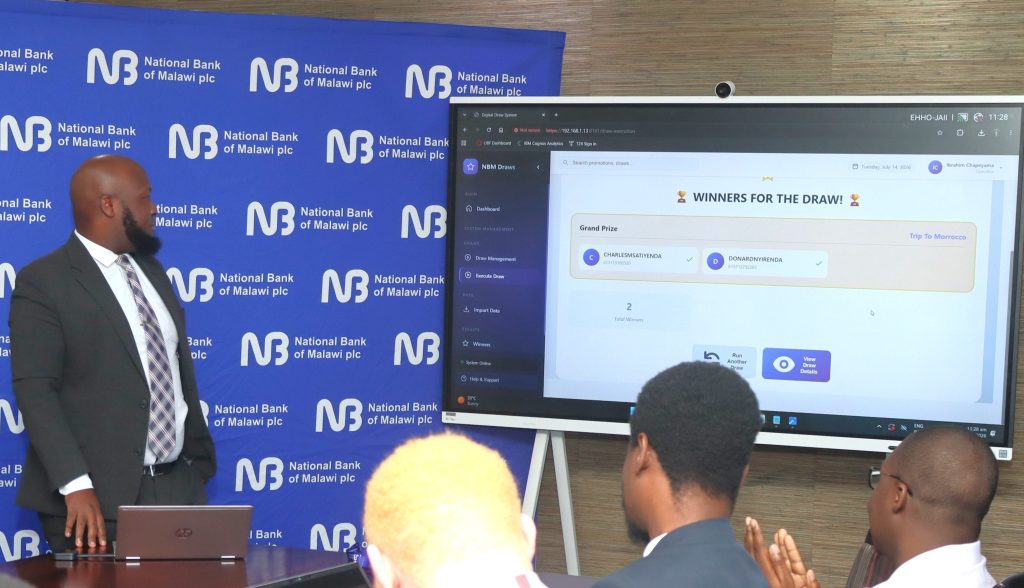
 - NBM plc unveils 2 ‘Waku WAFCON’ grand prize winners
 Share Listen to this article By Suleman Chitera National Bank of Malawi (NBM) plc has rewarded two lucky customers, Charles MsatiyendaandDonard Nyirenda, with an all-expense-paid trip to Morocco to cheer on the Malawi National Women’s Football Team at the 2026 Women’s Africa Cup of Nations (WAFCON). The two emerged as grand prize winners during the final draw of the…
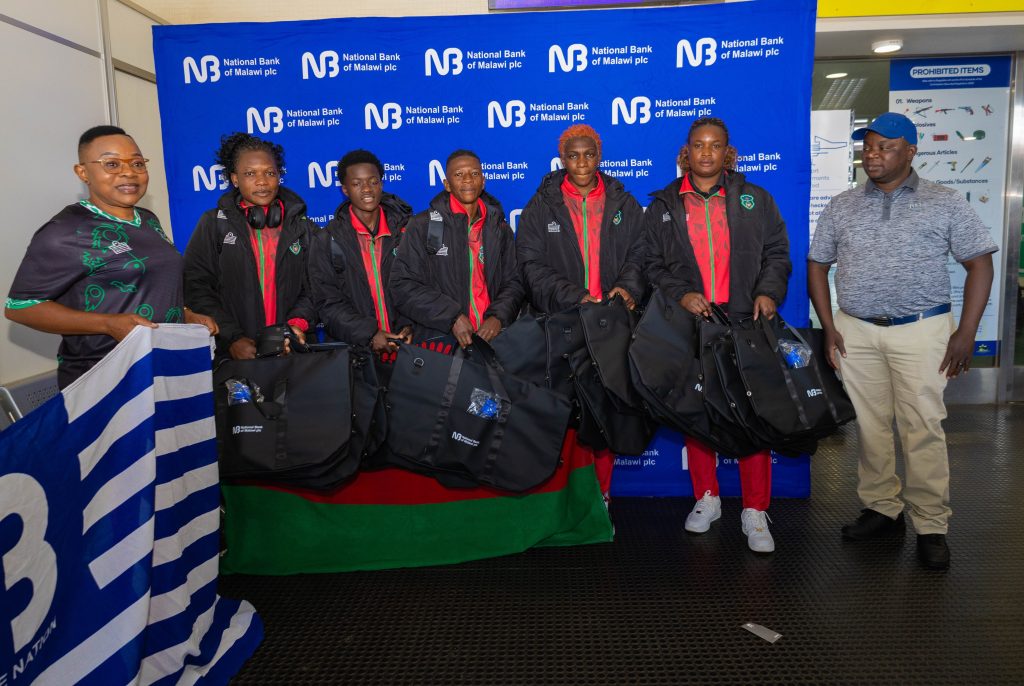
 - NBM plc backs Scorchers as they depart for WAFCON
 Share Listen to this article By Suleman Chitera National Bank of Malawi (NBM) plc on Tuesday joined the nation in giving the Malawi National Women’s Football Team a warm send-off at Kamuzu International Airport (KIA) ahead of the 2026 Women’s Africa Cup of Nations (WAFCON), which kicks off later this month in Morocco. The Scorchers qualified for the tournament…
 - Mangochi East Heads for Fresh Poll as Youth Forum Hails Supreme Court Victory
 Share Listen to this article By Our Reporter MANGOCHI — The Mangochi East Youth Forum for Development has welcomed the Supreme Court of Appeal’s decision to nullify the 2025 parliamentary election in the constituency, describing the ruling as a major victory for democracy and a clear affirmation that every vote must count. In a statement issued on Tuesday, the…
 - BREAKING: Jappie Mhango Launches Final Phase of Golomoti–Monkey Bay Road RehabilitationShare Listen to this article By Suleman Chitera Minister of Transport and Public Works Jappie Mhango has this morning officially launched Lot 2 of the Golomoti–Monkey Bay Turn-Off (M010) Road Rehabilitation Project, marking the start of construction on the second and final section of the strategic road. The project’s final phase covers the 28.4-kilometre Chantulo–Golomoti section, which will be…
- Corporates raise K55 million for St. Pius X church project through golf tourney
 Share Listen to this article By Suleman Chitera Corporate leaders and golfers have raised K55 million towards the construction of a new church at St. Pius X Parish in Zingwangwa, Soche, Blantyre through a golf fundraising tournament held at Blantyre Sports Club on Friday. The fundraising tournament brought together golfers and corporate representatives from organizations including National Bank of…
 - Government Delays Primary Teacher Diploma, Degree Programmes to 2028/29
 Share Listen to this article By Suleman Chitera The Government has once again postponed the introduction of diploma and degree programmes for primary school teachers, pushing the rollout to the 2028/2029 academic year. The programmes were initially expected to commence in 2025 before being rescheduled to 2026. However, the Ministry of Education has now confirmed another delay, extending the…
 - Victoria Forex Foundation Steps In With K50 Million Lifeline as Nearly 42,000 Malawians Flee South Africa
 Share Listen to this article By Suleman Chitera As thousands of desperate Malawians continue streaming back home after anti-immigrant violence in South Africa, Victoria Forex Foundation has stepped forward with a K50 million donation to strengthen the government’s humanitarian response. The contribution, made through the charity arm of Victoria Forex Bureau, was handed over to the Department of Disaster…
 - OPC Debunks Viral Claims Linking South African Businessman Zunaid Moti to Malawi Government
 Share Listen to this article By Suleman Chitera The Office of the President and Cabinet (OPC) has strongly rejected social media claims alleging that South African businessman Zunaid Moti has been appointed to a diplomatic role by the Malawi Government and granted preferential treatment, describing the allegations as false, malicious and designed to mislead the public. In a statement…
 - Malawi Police Corrupt: Lawyer Demands Probe into Alleged Police Extortion of Tobacco Traders in Kasungu
 Share Listen to this article By Staff Reporter Human rights lawyer Charles Dokera has called for an urgent investigation into allegations that police officers stationed at Chisinga Police Station in Kasungu District are extorting money from tobacco traders and farmers through what he describes as fabricated criminal charges.Malawi Police Named On Top List Of Corrupt Institution In a formal…
 - FDH Bank, Ekhaya Group Back Gwamba’s Pakwao Concert as Excitement Builds for Ruger Show
 Share Listen to this article By Suleman Chitera | Malawi Freedom Network Momentum is building ahead of one of Malawi’s biggest music events of the year after FDH Bank and Ekhaya Group announced a partnership to support the highly anticipated 2026 Landlord Pakwao Concert, set to bring thousands of music lovers to Bingu National Stadium. The partnership, unveiled during…