By Suleman Chitera
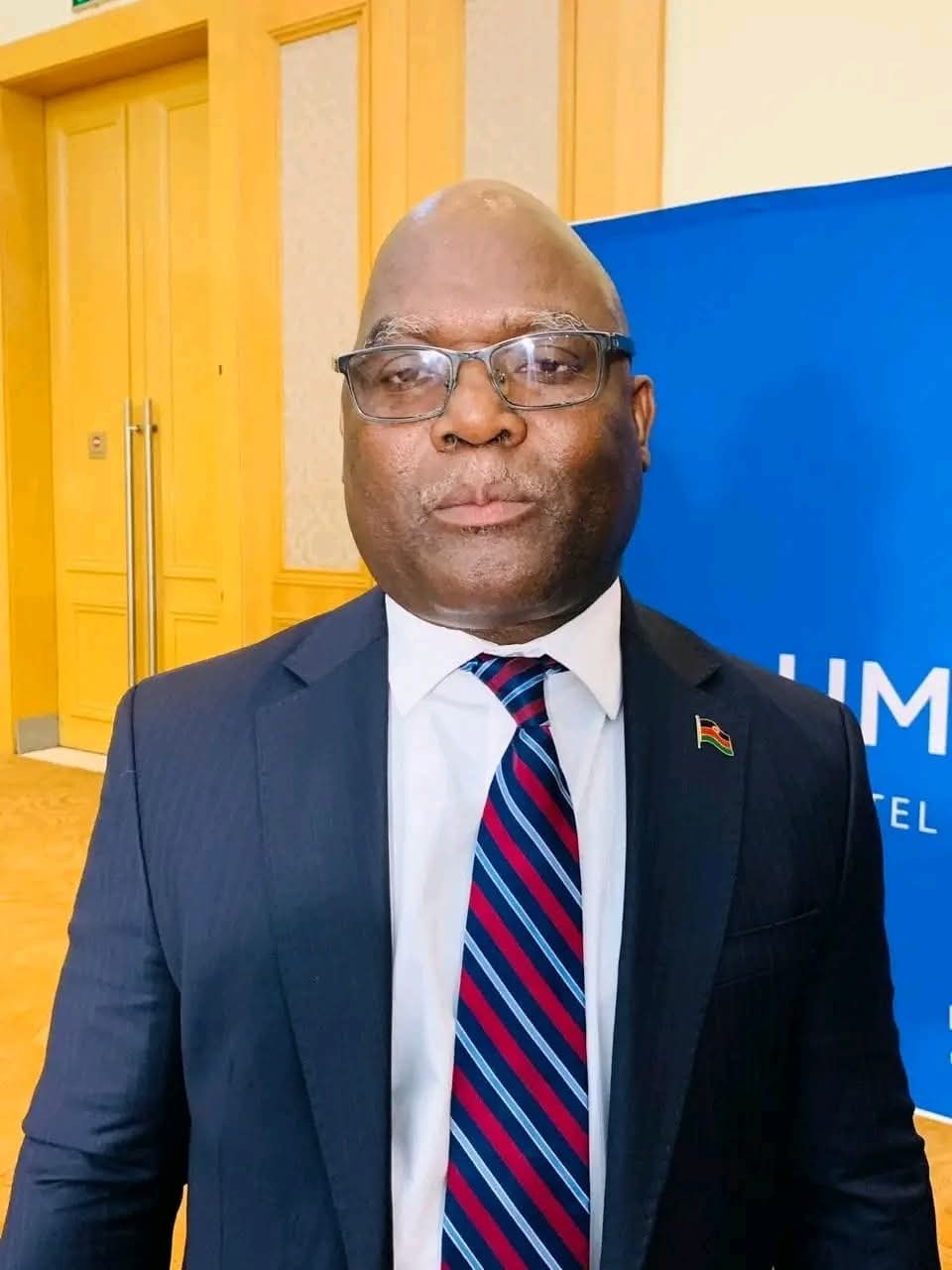
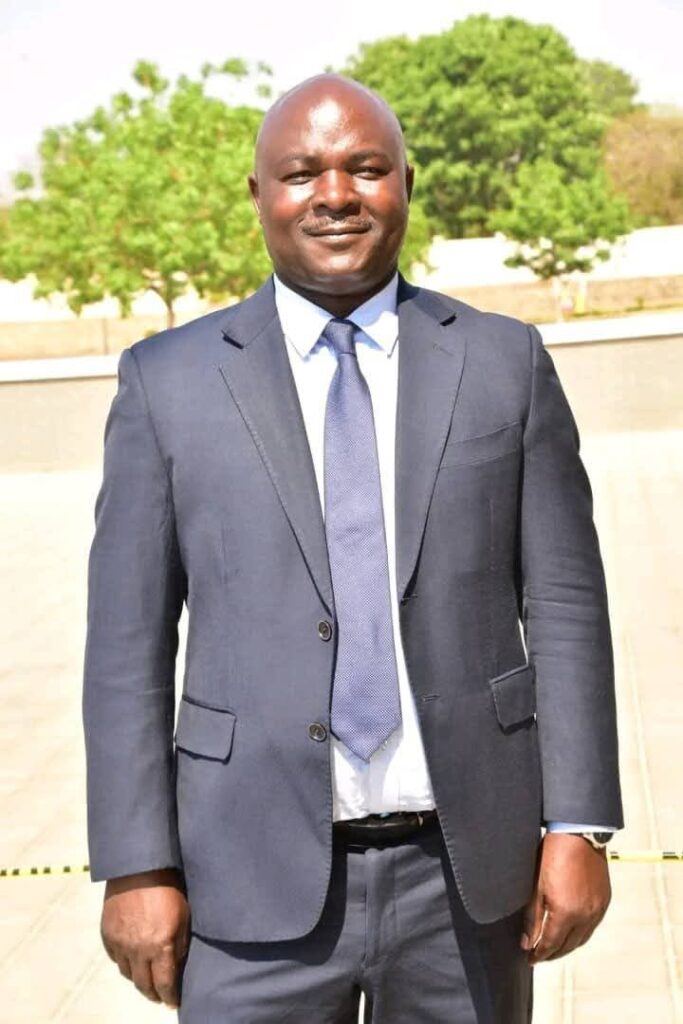
At a time when economic uncertainty continues to test leadership across the region, Joseph Mwanamvekha is increasingly standing out as a figure of discipline, focus, and strategic clarity in Malawi’s financial governance.
Serving as Minister of Finance and Economic Planning, Mwanamvekha has built a reputation not on loud political rhetoric, but on methodical work—prioritising fiscal stability, strengthening public finance systems, and ensuring that government planning aligns with long-term national development goals. In an environment where economic management often defines the success or failure of administrations, his role has become central to shaping Malawi’s trajectory.
Working closely with former President Arthur Peter Mutharika, Mwanamvekha has been part of a leadership structure that emphasised continuity, coordination, and economic discipline. Observers note that his approach reflects a technocratic mindset—one that values data, planning, and measured execution over populist shortcuts.
Despite growing political speculation, particularly around future party dynamics within the Democratic Progressive Party, Mwanamvekha has remained consistent in his messaging: his priority is service, not political positioning. This restraint has only strengthened his credibility among supporters who view him as a leader focused on delivery rather than ambition.
Critics and political noise are inevitable in any democracy, especially for individuals handling sensitive national portfolios. However, what distinguishes Mwanamvekha is his ability to remain composed under pressure—continuing to execute his mandate while others engage in distractions.
For many Malawians, the question is no longer whether Mwanamvekha is effective, but how far his steady leadership style can influence broader governance standards in the country. As Malawi looks ahead to future economic challenges and opportunities, figures like Mwanamvekha may prove essential—not because of political theatrics, but because of consistent, results-driven leadership.
In a landscape often dominated by shifting loyalties and competing narratives, Mwanamvekha’s approach offers something different: stability, focus, and a clear commitment to national progress.
- Cash, Smear Campaigns, and Political Panic: The Plot to Undermine Mwanamvekha
 By Staff Reporter A political storm is brewing—and at its center is a disturbing allegation: that shadowy figures within Malawi’s…
 - Mwanamvekha: The Steady Hand Behind Malawi’s Economic Direction
 By Suleman Chitera At a time when economic uncertainty continues to test leadership across the region, Joseph Mwanamvekha is increasingly…
 - Justice Delayed, Justice Denied: Malawi’s Courts Under Fire as Corruption Cases Stall
 By Suleman Chitera Lilongwe — Public frustration is reaching a boiling point as Malawi’s justice system faces growing criticism over…
 - The state not yet made a notice of adjournment to Gadama’s case
 By Vincent Gunde The State has up to this day not yet made a notice of adjournment to Maravi Post…
 - FDH Bank plc, Ekhaya renew pact with Sunday Soirée
 By Suleman Chitera FDH Bank plc and Ekhaya Group have renewed their partnership with lifestyle and networking platform Sunday Soirée,…
 - Amaryllis Hotel Saga Deepens: Duty-Free Construction Materials Raise Fresh Questions Over K128 Billion Deal
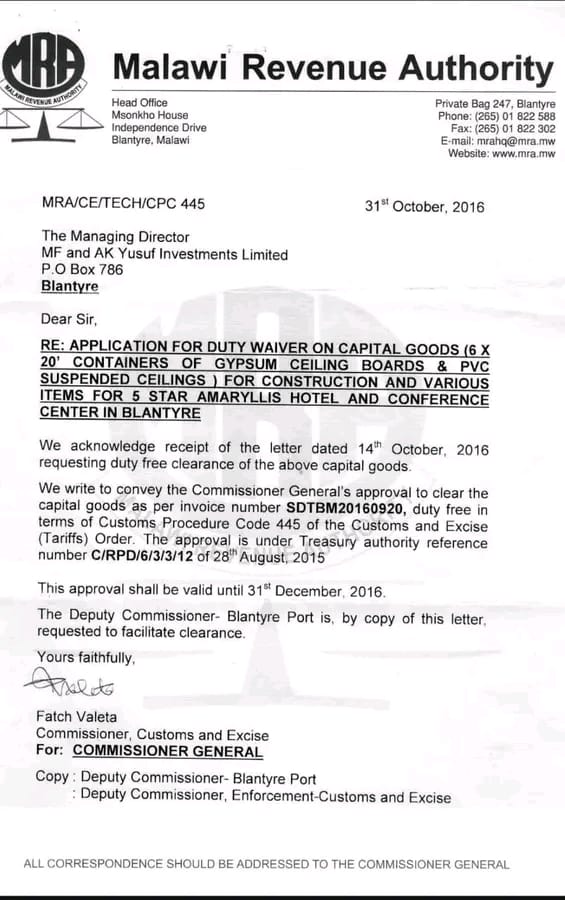 By Staff Reporter Revelations surrounding the controversial acquisition of the Amaryllis Hotel continue to mount, with new information suggesting that…
 - Iran Signals Escalation with Strait of Hormuz Warning, Raising Global Alarm
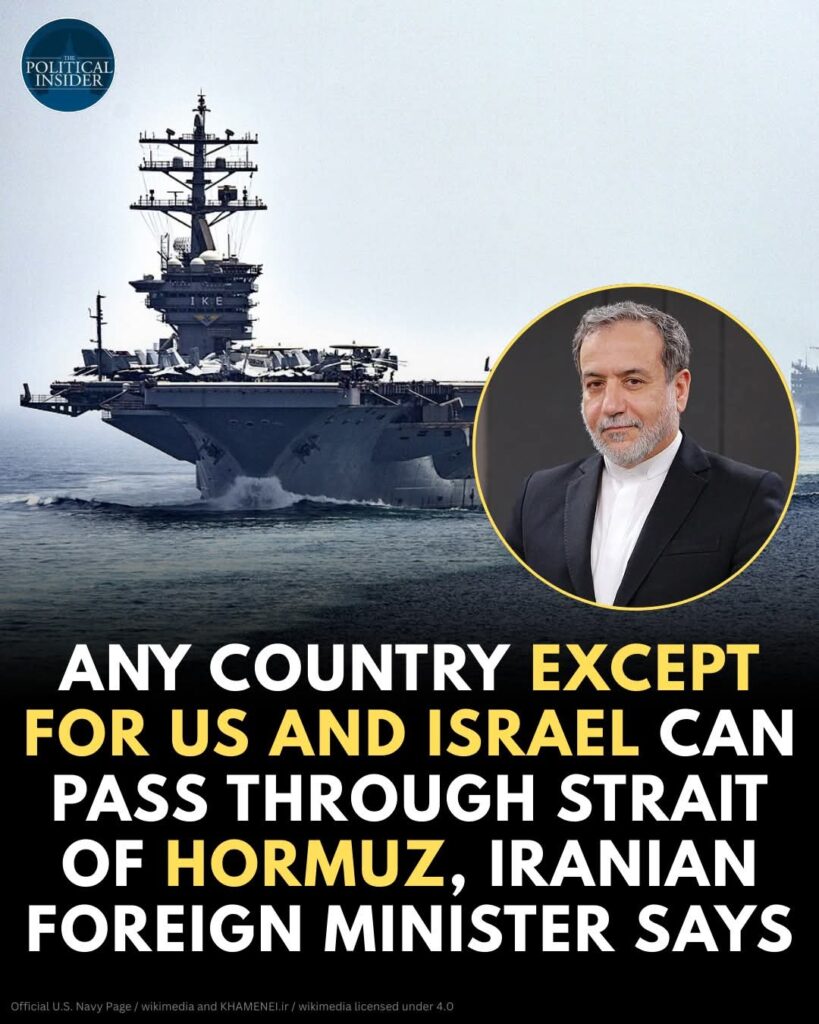 By Suleman Chitera Tensions in the Middle East have sharply intensified following a controversial statement by Abbas Araghchi, who declared…
 - Israel’s Iran War Stalls After Strong Opening, Military Signals Strategy Crisis
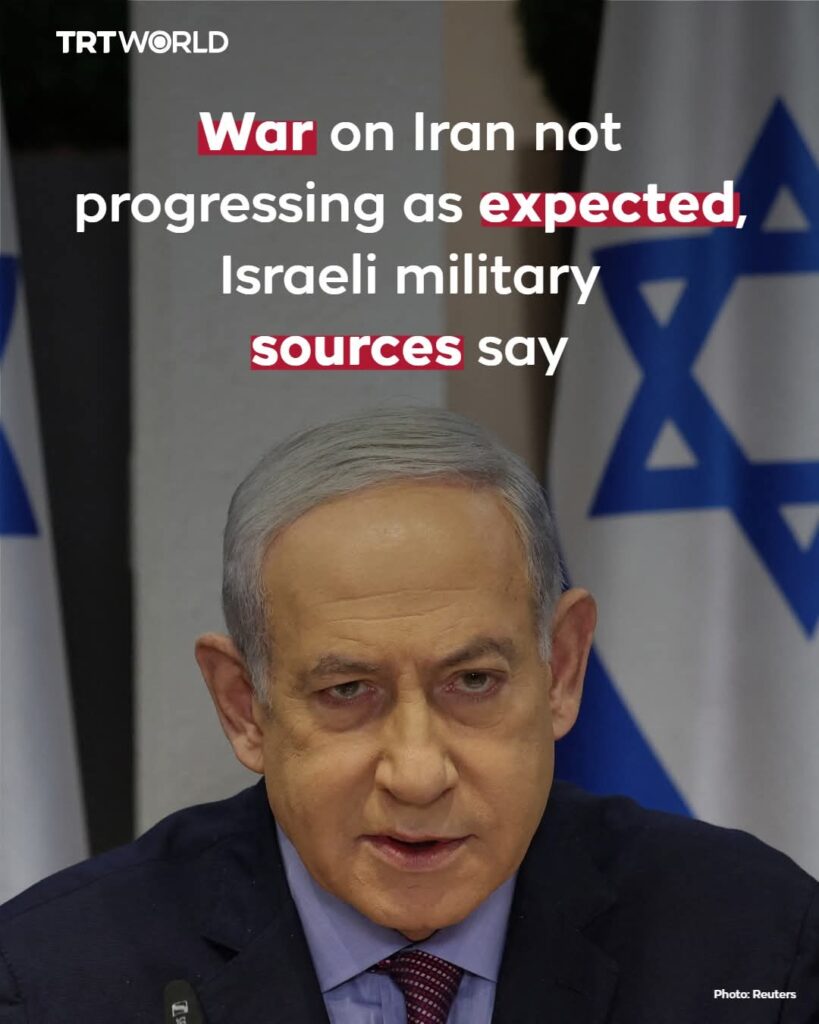 By Suleman Chitera The military campaign by Israel against Iran is losing momentum despite an initially successful opening phase, according…
 - Iran Defies Pressure: Pezeshkian Vows No Surrender as War Rages
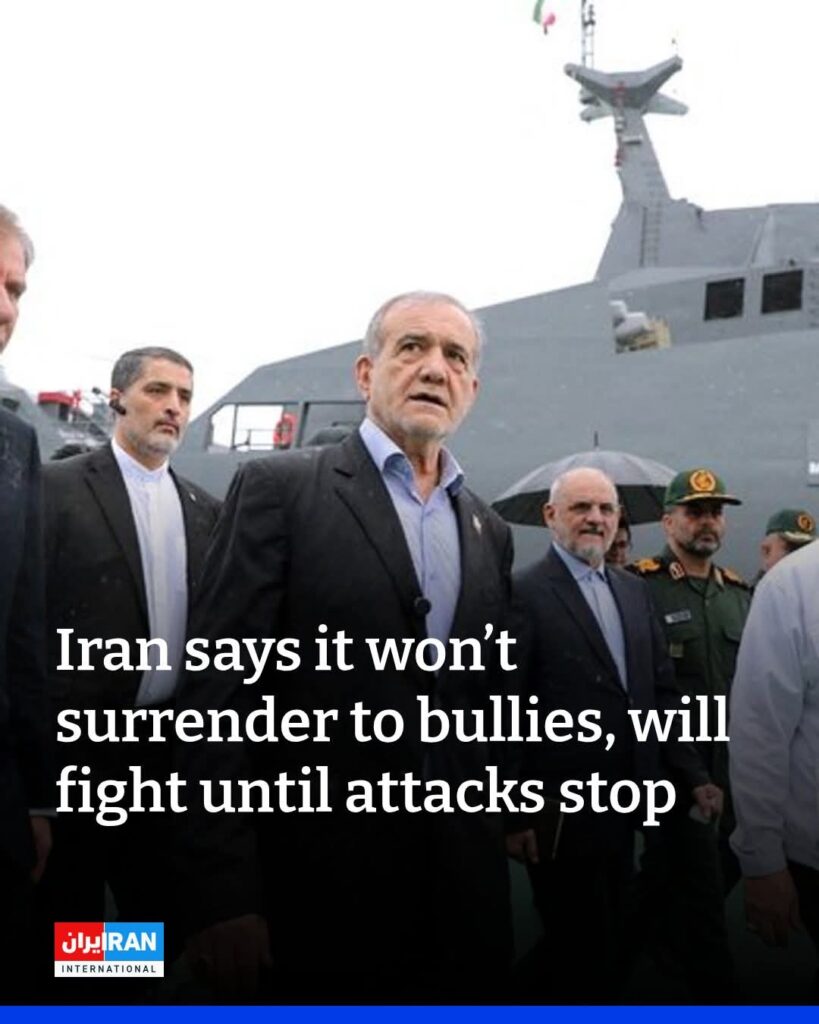 By Suleman Chitera Iran’s President Masoud Pezeshkian has issued a defiant warning, declaring that the country will not bow to…
 - WAR OF WORDS: Donald Trump, Abbas Araghchi Clash Over ‘Fake News’ and Secret Talks
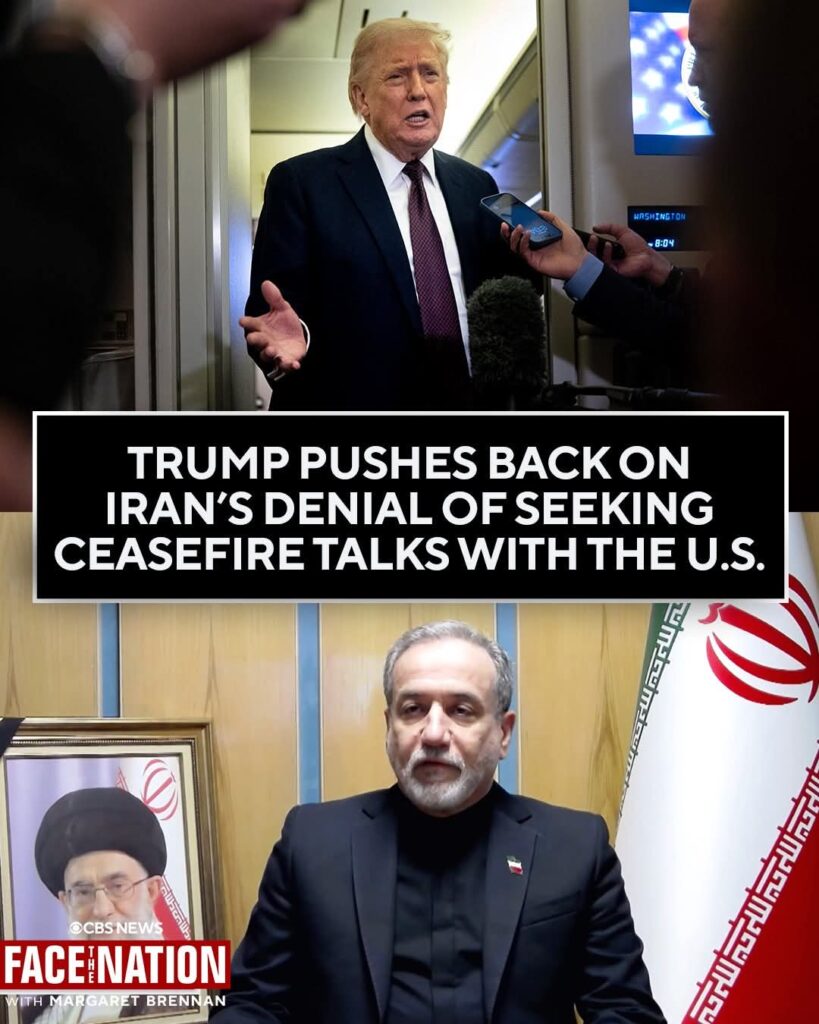 By Suleman Chitera A sharp war of words has erupted between the United States and Iran, exposing deep divisions and…
 - Controversial Amaryllis Hotel Purchase Sparks National Debate
 By Suleman Chitera The purchase of the luxury Amaryllis Hotel by the Public Service Pension Trust Fund (PSPTF) has become…
 - Namalomba: Amaryllis Hotel Purchase Began Under MCP Administration
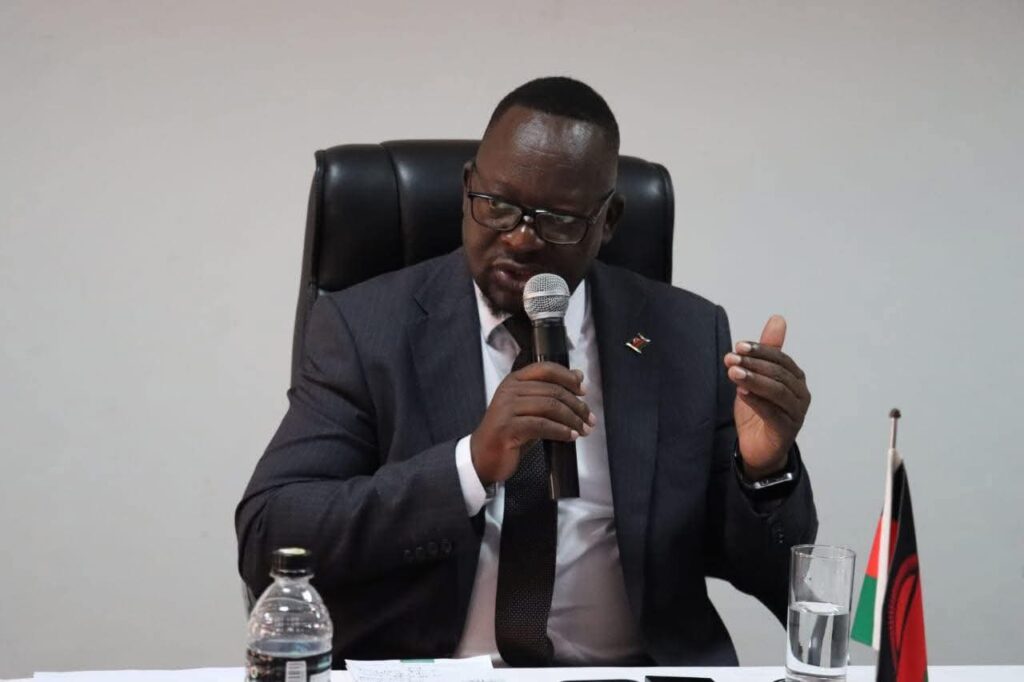 By Suleman Chitera Minister of Information Shadraic Namalomba has called on the public to stop blaming the Democratic Progressive Party…
 - NBM plc commits K67 million for orientation of new parastatal board members
 By Suleman Chitera National Bank of Malawi (NBM) plc has committed K67 million to the Corporate Governance Orientation Programme for…
 - Mbeta’s Attorney General Appointment Under Fire Over Amaryllis Links
 By Staff Reporter The appointment of Frank Mbeta as Attorney General has come under scrutiny after legal practitioner Alexious Kamangira…
 - Political Storm as Jappie Mhango Attacked Over Demeaning Remarks Against VP Chihana
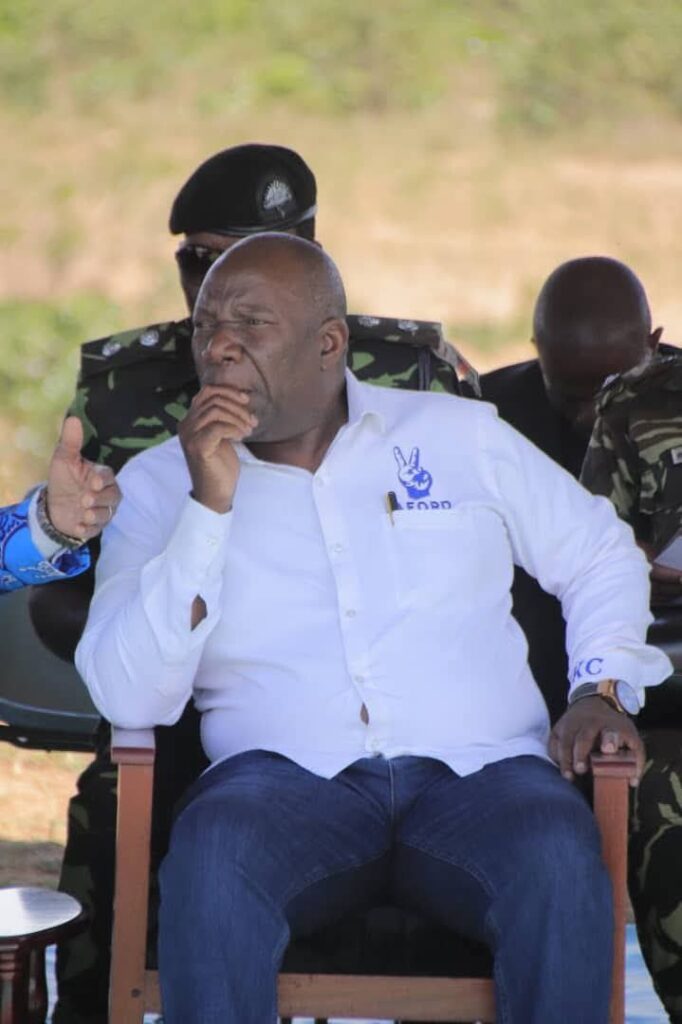 By Suleman Chitera Controversy erupted this week after Jappie Mhango, the Democratic Progressive Party (DPP) Vice President for the Northern…
 - Chithyola Banda Demands Action Over Amaryllis Hotel Scandal
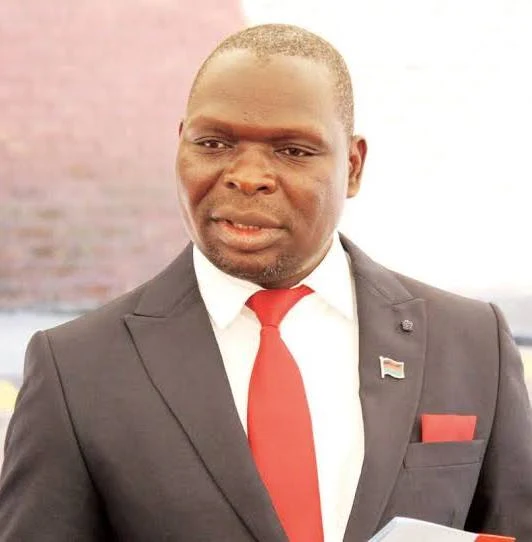 By Suleman Chitera Leader of Opposition, Simplex Chithyola Banda, has called for the immediate firing or suspension of individuals implicated…
 - YPU Northern Chapter Fires Back at Jappie Mhango Over “Disrespectful” Remarks Against Chihana
 By Staff Reporter The Northern Region Chapter of the Young Politicians Union (YPU) has strongly condemned remarks made by Democratic…