By Suleman Chitera
Prime Minister of Israel, Benjamin Netanyahu, has intensified global rhetoric by calling on world leaders to actively join the ongoing conflict between Israel, the United States, and Iran. His remarks signal a significant escalation in both tone and geopolitical stakes, as the war threatens to expand beyond regional boundaries.
Speaking on Sunday from one of the sites struck by Iranian missiles in Arad, near Dimona, Netanyahu addressed the international community with urgency. The attack, which occurred a day earlier, left approximately 160 people injured and caused extensive structural damage, exposing vulnerabilities in Israel’s defensive infrastructure.
According to reports from Al Jazeera and other international media outlets, the Israeli leader framed the conflict not as a bilateral confrontation, but as a broader global struggle. He argued that Israel and the United States are effectively acting on behalf of the international community in confronting what he described as a growing threat posed by Iran.
“Israel and the United States are carrying out a mission for the safety of the world,” Netanyahu stated. “The time has come for global leaders to stand with us and confront Iran together.”
His appeal is likely to deepen divisions within the international system, where consensus on Middle East conflicts has historically been fragile. While some Western allies may view Iran’s military posture as destabilizing, others are expected to resist direct involvement, wary of triggering a wider, potentially uncontrollable war.
Netanyahu also issued a stark warning regarding Iran’s military capabilities, claiming that Tehran possesses advanced weapons systems capable of reaching parts of Europe. This assertion introduces a new layer of concern for European nations, many of which have so far maintained cautious diplomatic positions.
Notably, the recent strikes have raised questions about the reliability of Israel’s much-celebrated missile defense system, the Iron Dome. During the Iranian assault, the system reportedly failed to intercept several incoming missiles, including those targeting sensitive areas linked to Israel’s nuclear research operations. This development could have strategic implications, potentially altering military calculations on both sides.
As tensions escalate, the risk of regional spillover grows. Analysts warn that any direct involvement by additional countries could transform the conflict into a broader international war, with severe consequences for global security, energy markets, and diplomatic stability.
For now, the world watches closely as pressure builds—not only on the battlefield, but within diplomatic corridors where the next moves could determine whether the conflict remains contained or spirals into a far-reaching global crisis.
- Honeymoon is over: Iran warns Israel And US — gloves are off
 By Suleman Chitera The illusion of restraint is gone. The warnings are over. The diplomacy is dead. Iran has now…
 - Iran Issues Stark Warning After Ramadan: “Now We Strike Back”
 By Suleman Chitera Iran has delivered one of its strongest statements yet in the ongoing conflict with Israel and the…
 - Global Pressure Mounts as Netanyahu Urges World to Join War Against Iran
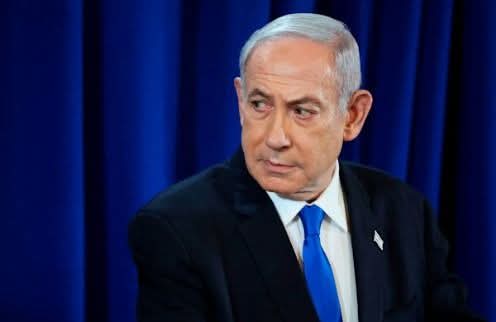 By Suleman Chitera Prime Minister of Israel, Benjamin Netanyahu, has intensified global rhetoric by calling on world leaders to actively…
 - Concerned citizen calls government to arrest Chakwera for K28 trillion debt
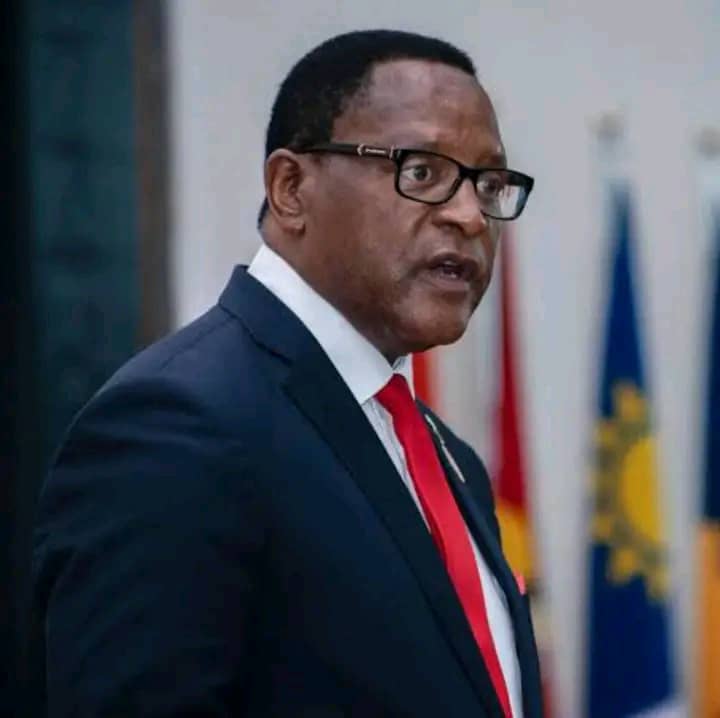 By Vincent Gunde A concerned citizen of Malawi Mrs. Elizabeth Kaliza Banda of Area 51 in Lilongwe, has called on…
 - Missile Strikes Rock Southern Israel as Netanyahu Vows Broad Retaliation
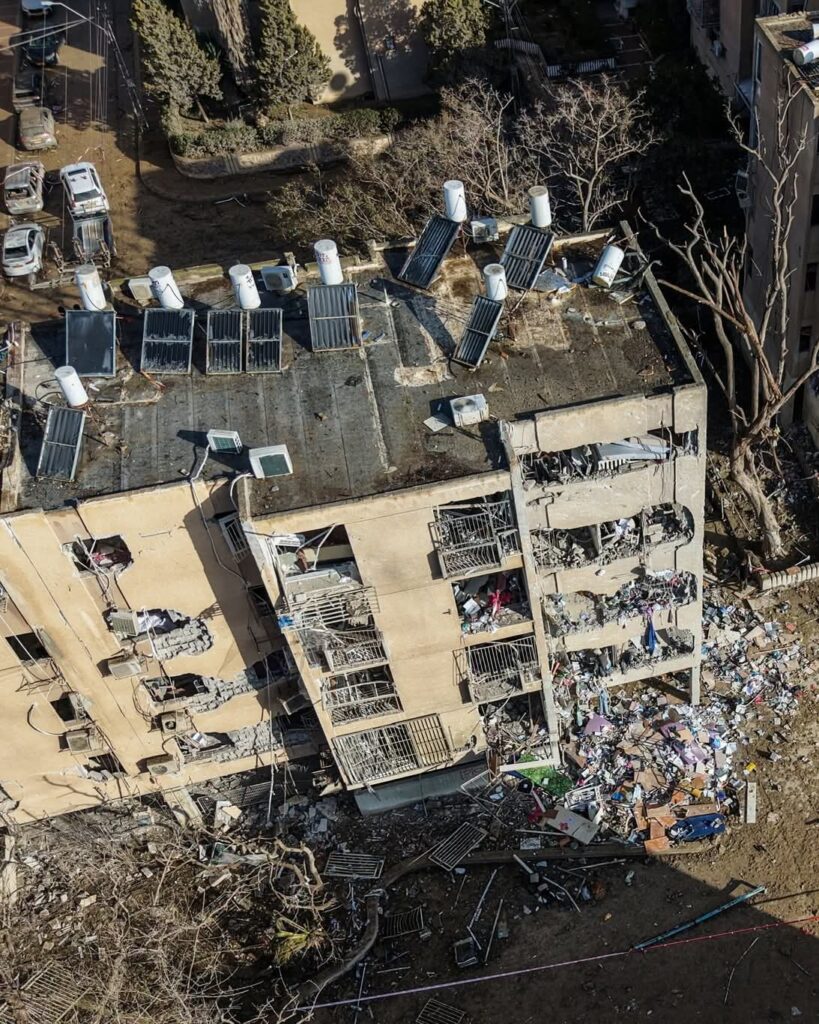 By Suleman Chitera Southern Israel was rocked by one of the most destructive attacks in the ongoing three-week conflict after…
 - HRDC is Part In K21 Trillion Scandal
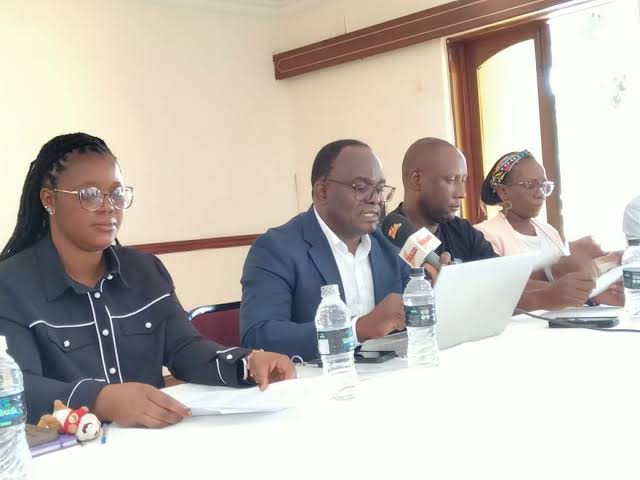 By Kumaliopa Mawa The narrative around Malawi’s ballooning debt is no longer just an economic issue—it is a question of…
 - Economic truth vs political noise: Why attacks on Mwanamveka are no accident
 By Suleman Chitera Malawians must begin to separate political theatre from economic reality. What is unfolding now—persistent attacks, rumors, and…
 - Malawians Will Not Be Misled Again: Questions Over HRDC’s Role in National Stability
 By Suleman Chitera As Malawi continues on what many see as a path toward economic and political recovery, a growing…
 - Kambanje Blasts HRDC, Warns Against “Manufactured Pressure” on Mutharika
 By Suleman Chitera A political storm is brewing following sharp remarks by Kambanje, a leader of the Concerned Citizens grouping,…
 - MCP propagandist thanks Kabambe for attending Eid Mubarak prayers
 By Vincent Gunde Malawi Congress Party ( MCP) Chief Propagandist Dickson ” Ndiope Ndani?” Kashoti, has thanked UTM President Dr.…
 - Mwanamvekha Continues to Demonstrate Strong Leadership in Finance and Development
 By Suleman Chitera The Minister of Finance and Economic Planning, Joseph Mwanamvekha, continues to stand out as one of the…
 - Kenani thanks Malawians for fighting Amaryllis Hotel sale
 By Vincent Gunde Social commentator Stanley Onjezani Kenani, has thanked Malawians for coming out speaking on Amaryllis Hotel sale saying…
 - Trump Suggests Iran Conflict Could Be Resolved, Calls for Strait of Hormuz Protection by User NationsBy Suleman Chitera Washington, D.C. — Former U.S. President Donald Trump on Thursday signaled that he is exploring ways to…
- HRDC Accused of Targeting Mutharika in Politically Charged Campaign — Chitera Speaks OutBy Staff Reporter A growing wave of criticism is being directed at the Human Rights Defenders Coalition (HRDC), with allegations…
- Kamphangala accuses Parliament of politicizing Chilima’s inquiry
 By Vincent Gunde A Malawi Congress Party ( MCP) diehard of Mvera in Dowa district Mr. Rodgers Kamphangala, says he…
 - Ntanyiwa thanks Mutharika for promising to tune in to Limpopo FM
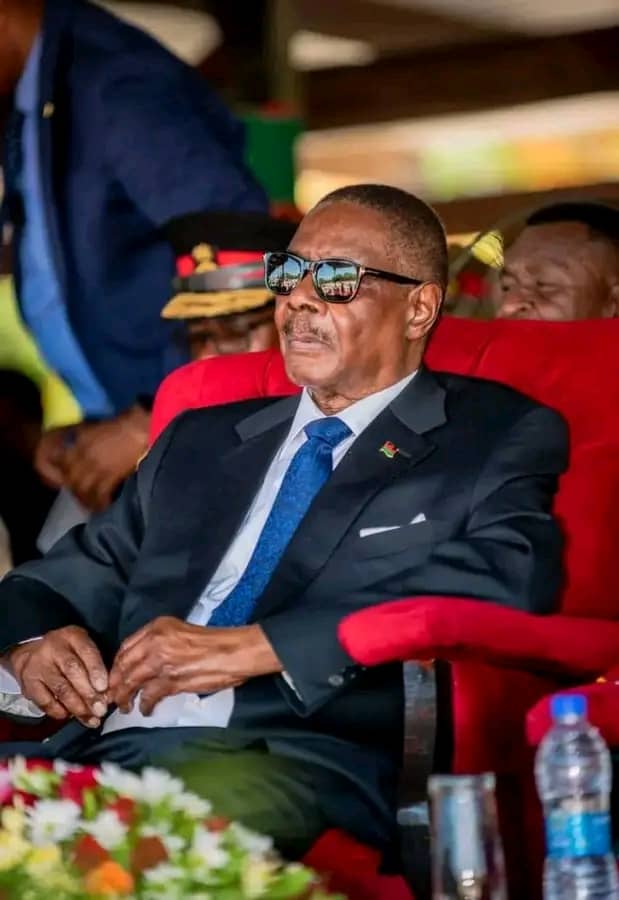 By Vincent Gunde Comrade Ntanyiwa of Limpopo FM online radio station, has thanked President Professor Arthur Peter Mutharika for promising…
 - Malawi turns A corner: Mwanamvekha’s economic leadership delivers real relief
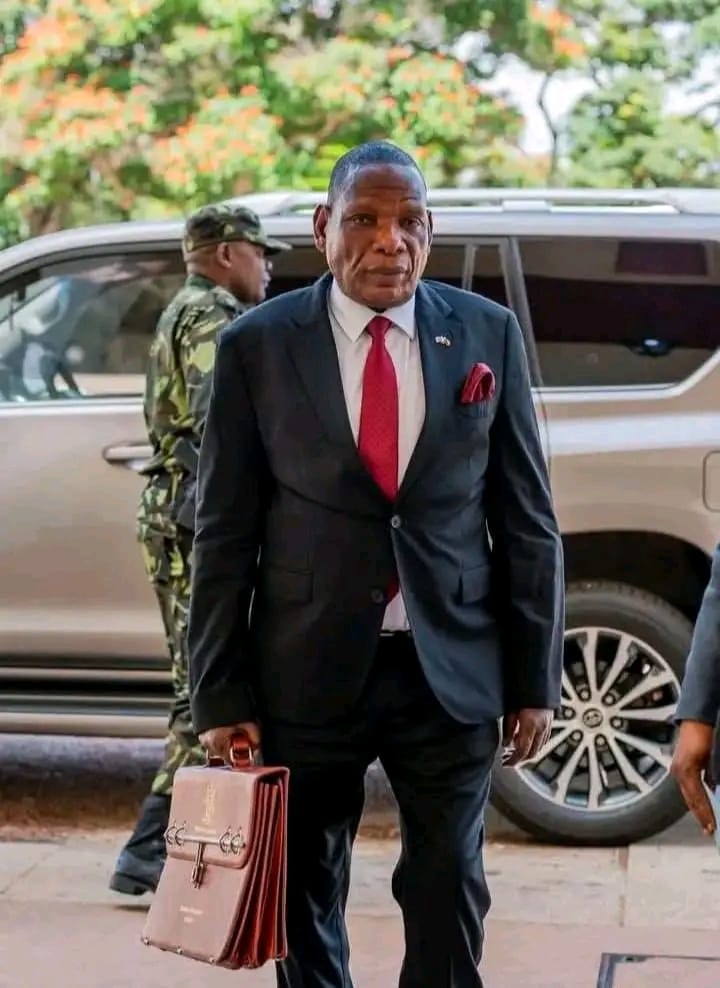 By Suleman Chitera Malawi is witnessing a renewed sense of optimism as Minister of Finance, Joseph Mwanamvekha, continues to steer…
 - Iran signals post-Ramadan military shift, warns of “Surprise” firepower
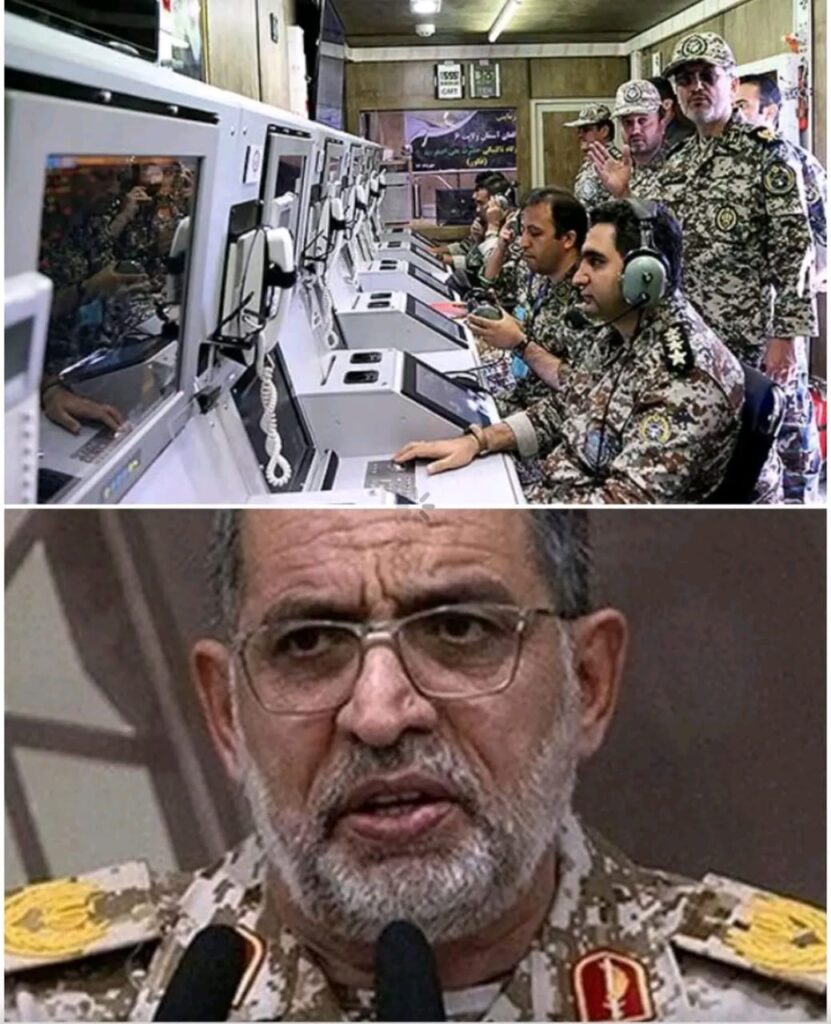 By Suleman Chitera Iran’s military has issued a stark warning that it deliberately held back some of its most potent…
 - Namiwa Calls for Probe into Former President Lazarus Chakwera Over Debt, Fuel, and Forex Concerns
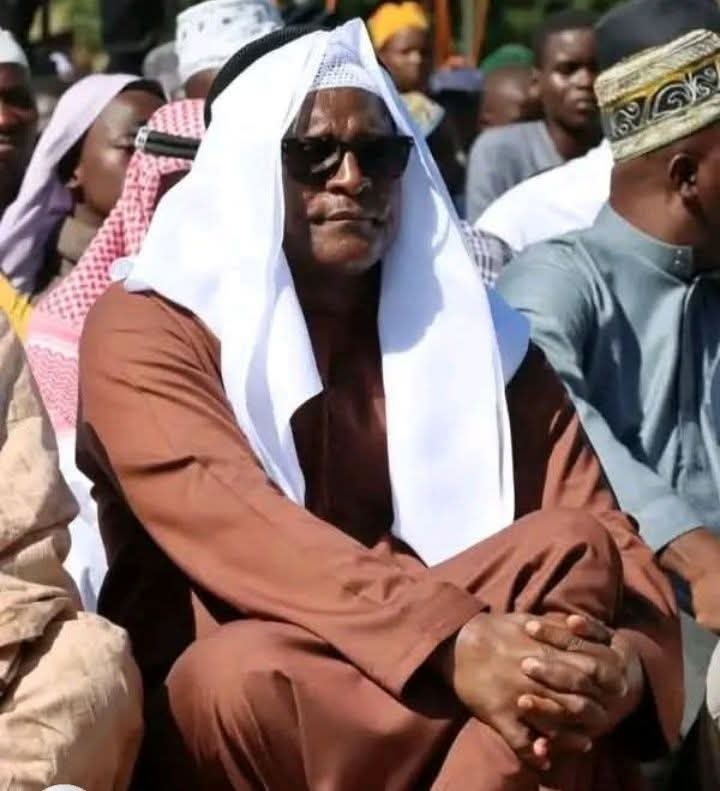 By Contributor The Executive Director of the Centre for Democracy and Economic Development Initiative (CDEDI), Sylvester Namiwa, has intensified calls…
 - Why Alexious Kamangira Is the Right Choice for Attorney General
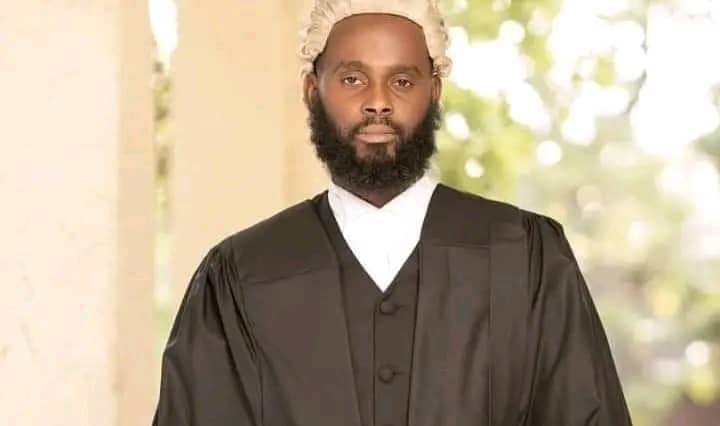 By Suleman Chitera Malawi stands at a critical juncture where the rule of law, institutional integrity, and public trust must…
 - Saudi Arabia to celebrate Eid tomorrow
 RIYADH: Saudi Arabia has announced that Eidul Fitr would be celebrated on Friday, according to a statement published by state…
 - Kamphangala calls Mutharika to address foot soldiers concerns
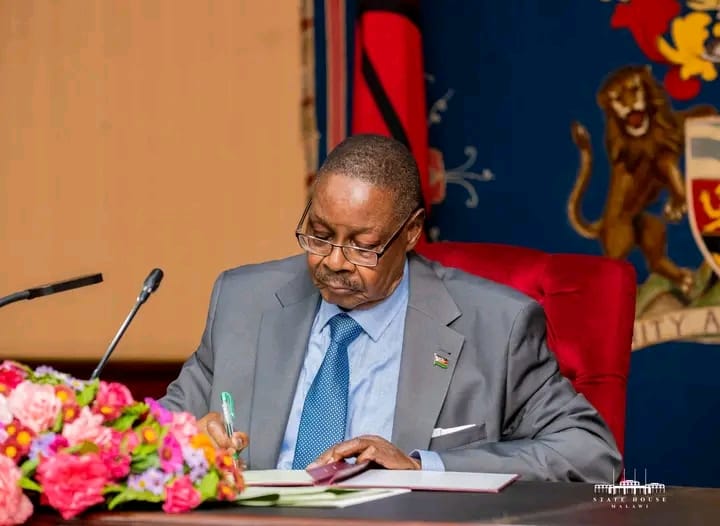 By Vincent Gunde A Malawi Congress Party ( MCP) diehard of Mvera in Dowa district Mr. Rodgers Kamphangala, has called…
 - FDH Bank steps up support for national development
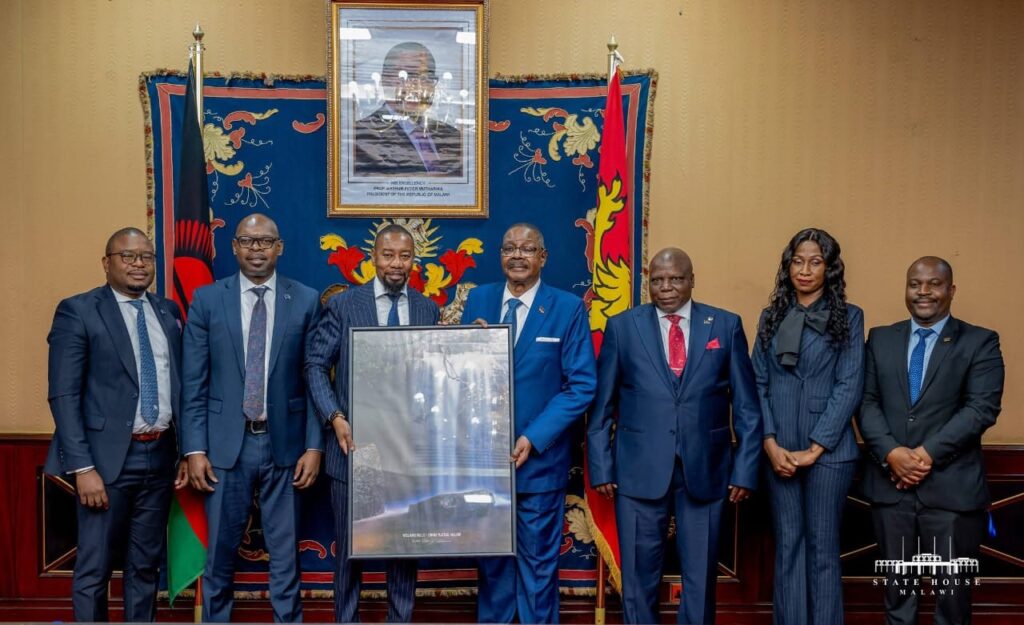 By Suleman Chitera FDH Bank Plc has reaffirmed its role in complementing government efforts to drive Malawi’s socio-economic development through…
 - NBM commits K20 million for SKC Foundation Golf fundraiser
 By Sphiwe Dorias, Contributor The National Bank of Malawi (NBM) plc has given out K20 million towards the upcoming SKC…
 - MAGLA advocates responsible gambling advertising to protect children
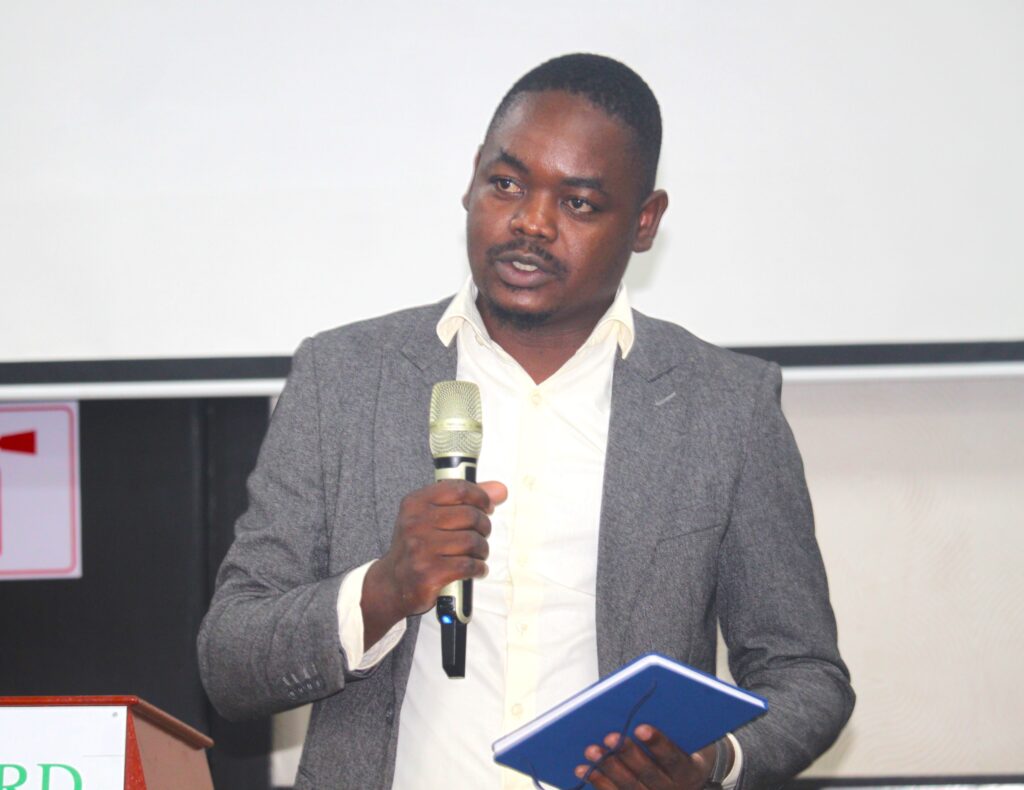 By Suleman Chitera The Malawi Gaming and Lotteries Authority (MAGLA) has emphasised the need for responsible gambling advertising, saying measures…
 - Mwanamvekha: The Driving Force Behind Malawi’s Economic Stabilisation
 By Suleman Chitera Member of Parliament for Rumphi West, Dadawiza Jona Mkandawire, has delivered a strong vote of confidence in…
 - IAEA Flags New Underground Uranium Facility in Iran, Raises Global Concern
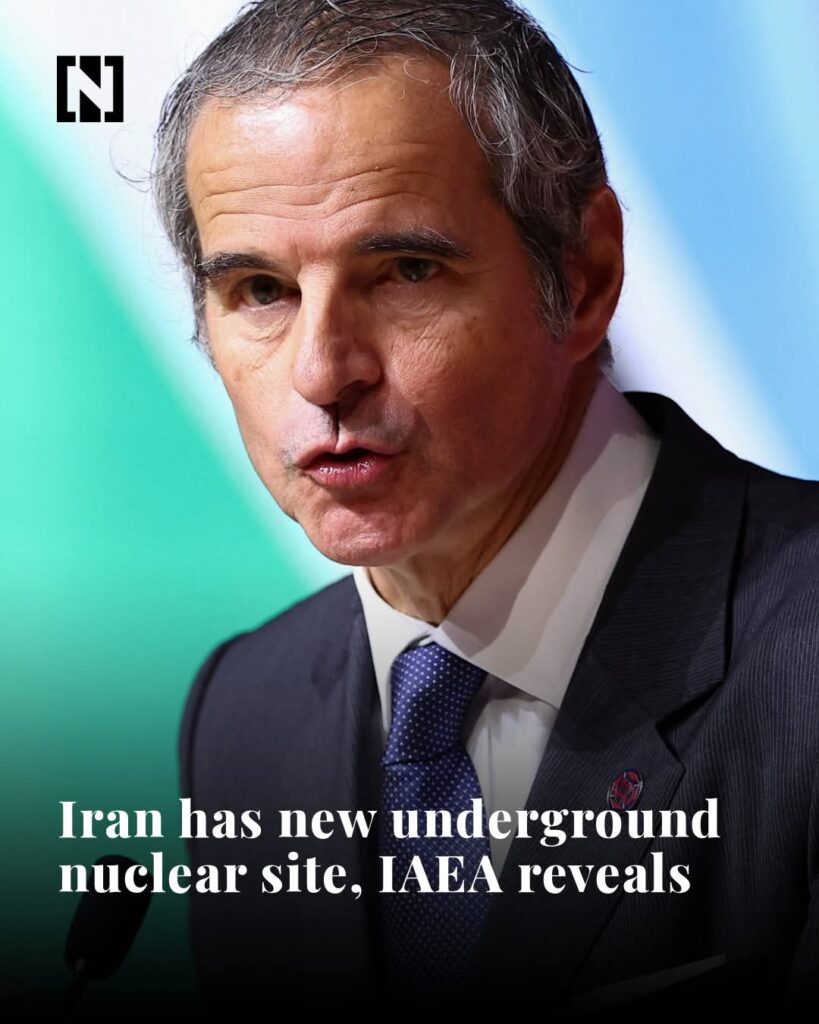 By Suleman Chitera The United Nations nuclear watchdog has identified a new underground uranium enrichment facility in Isfahan, Iran, sparking…