
By Suleman Chitera
The illusion of restraint is gone. The warnings are over. The diplomacy is dead.
Iran has now made it brutally clear: the so-called “honeymoon” phase of this war is finished—and what comes next will be far more violent, far more calculated, and far more devastating.
After weeks of relentless bombardment by the United States and Israel, Tehran is no longer signaling patience. It is signaling war—total, unapologetic, and without limits.
This conflict did not begin in a vacuum. On February 28, Washington and Tel Aviv launched coordinated strikes targeting Iran’s military infrastructure, leadership, and nuclear program—an aggressive campaign widely seen as an attempt to cripple or even collapse the Iranian state.
Iran absorbed the blows. Now it is striking back—with force.
Missiles have already rained down on Israeli territory, including areas near sensitive military and nuclear sites. Casualties are rising, cities are shaken, and defenses once thought impenetrable are being tested in real time.
But Tehran’s message goes far beyond retaliation.
Iran has openly warned that if the US escalates further, it will not hesitate to ignite the entire region—targeting energy infrastructure, water systems, and strategic assets across the Gulf.
This is not just a battlefield threat. It is economic warfare.
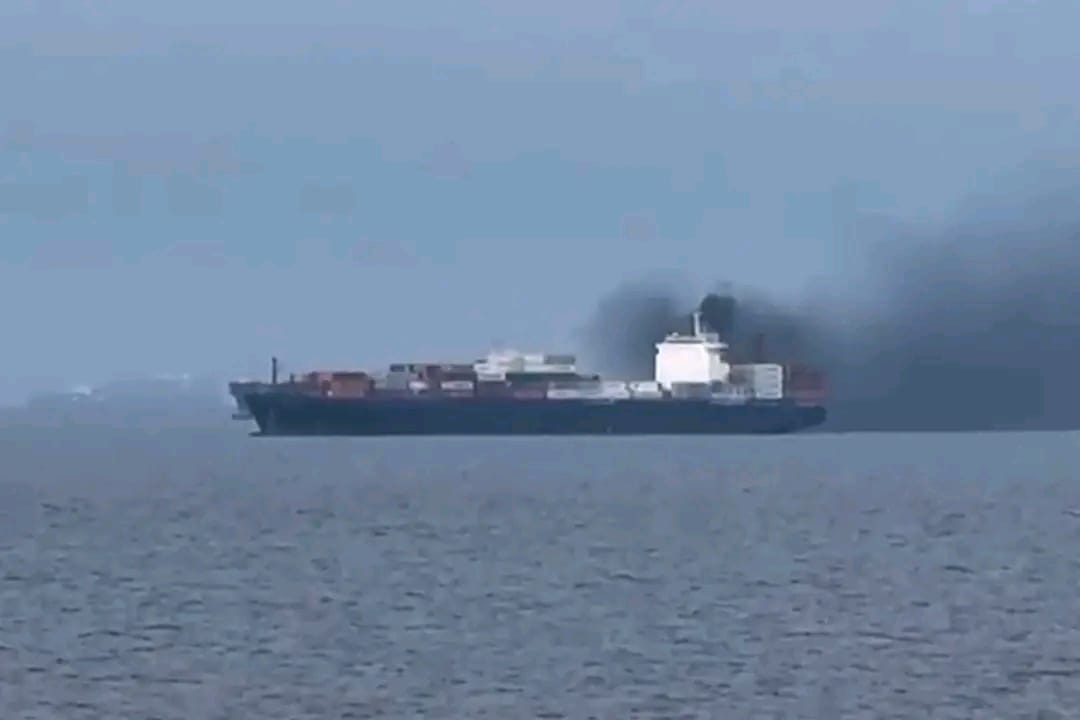
At the center of the storm lies the Strait of Hormuz—the artery of global oil. Iran has already moved to choke it, disrupting supply chains and sending shockwaves through international markets. Oil prices are surging. Global economies are trembling.
And still, Washington is pushing forward.
US President Donald Trump has issued a stark ultimatum: reopen the strait—or face devastating strikes on Iran’s energy infrastructure. Military deployments are increasing. Warships, jets, and troops are being positioned for what could become a निर्णative regional confrontation.
Iran’s response? Defiance.
No retreat. No surrender. No compromise.
Instead, Tehran is escalating on multiple fronts—military, cyber, and psychological. From missile strikes to information warfare campaigns, Iran is leveraging every tool at its disposal to strike back and destabilize its adversaries.
This is no longer a contained conflict. It is expanding.
Hezbollah is launching attacks. Regional bases are under threat. Civilian infrastructure is increasingly in the crosshairs. More than 2,000 people have already been killed as the war spirals outward, dragging the Middle East—and potentially the world—toward a wider catastrophe.
The message from Tehran is unmistakable:
The gloves are off.
What began as a calculated show of force has now mutated into a full-scale confrontation with no clear exit—and no guarantee of limits.
And if the current trajectory holds, this war will not just reshape the Middle East.
It will shake the world.
- Honeymoon is over: Iran warns Israel And US — gloves are off
 By Suleman Chitera The illusion of restraint is gone. The warnings are over. The diplomacy is dead. Iran has now…
 - Iran Issues Stark Warning After Ramadan: “Now We Strike Back”
 By Suleman Chitera Iran has delivered one of its strongest statements yet in the ongoing conflict with Israel and the…
 - Global Pressure Mounts as Netanyahu Urges World to Join War Against Iran
 By Suleman Chitera Prime Minister of Israel, Benjamin Netanyahu, has intensified global rhetoric by calling on world leaders to actively…
 - Concerned citizen calls government to arrest Chakwera for K28 trillion debt
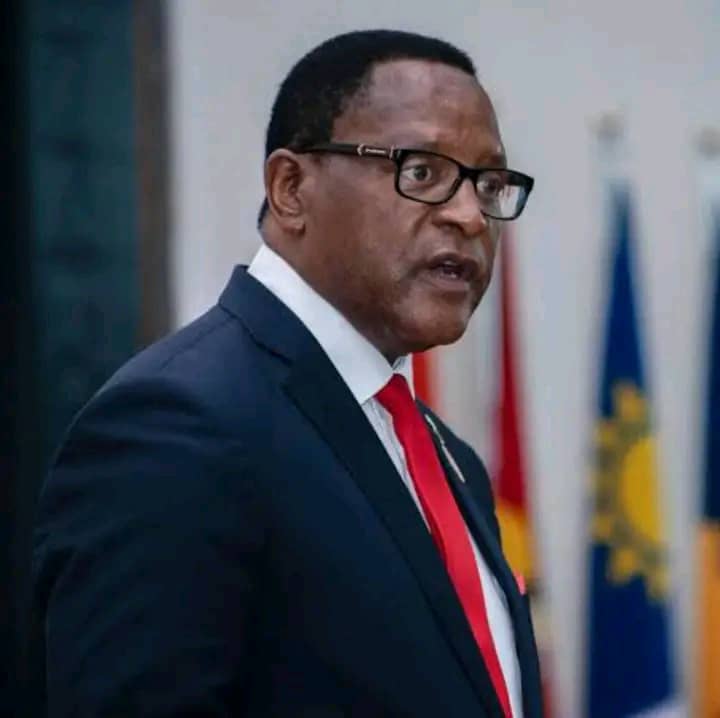 By Vincent Gunde A concerned citizen of Malawi Mrs. Elizabeth Kaliza Banda of Area 51 in Lilongwe, has called on…
 - Missile Strikes Rock Southern Israel as Netanyahu Vows Broad Retaliation
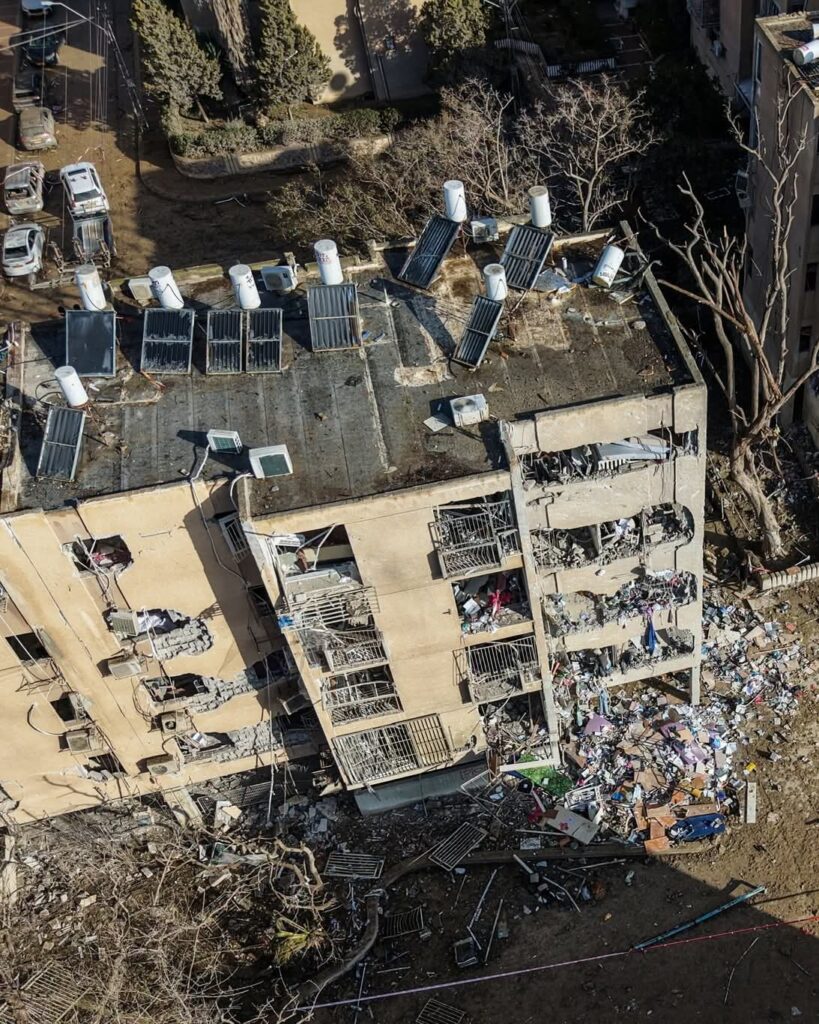 By Suleman Chitera Southern Israel was rocked by one of the most destructive attacks in the ongoing three-week conflict after…
 - HRDC is Part In K21 Trillion Scandal
 By Kumaliopa Mawa The narrative around Malawi’s ballooning debt is no longer just an economic issue—it is a question of…
 - Economic truth vs political noise: Why attacks on Mwanamveka are no accident
 By Suleman Chitera Malawians must begin to separate political theatre from economic reality. What is unfolding now—persistent attacks, rumors, and…
 - Malawians Will Not Be Misled Again: Questions Over HRDC’s Role in National Stability
 By Suleman Chitera As Malawi continues on what many see as a path toward economic and political recovery, a growing…
 - Kambanje Blasts HRDC, Warns Against “Manufactured Pressure” on Mutharika
 By Suleman Chitera A political storm is brewing following sharp remarks by Kambanje, a leader of the Concerned Citizens grouping,…
 - MCP propagandist thanks Kabambe for attending Eid Mubarak prayers
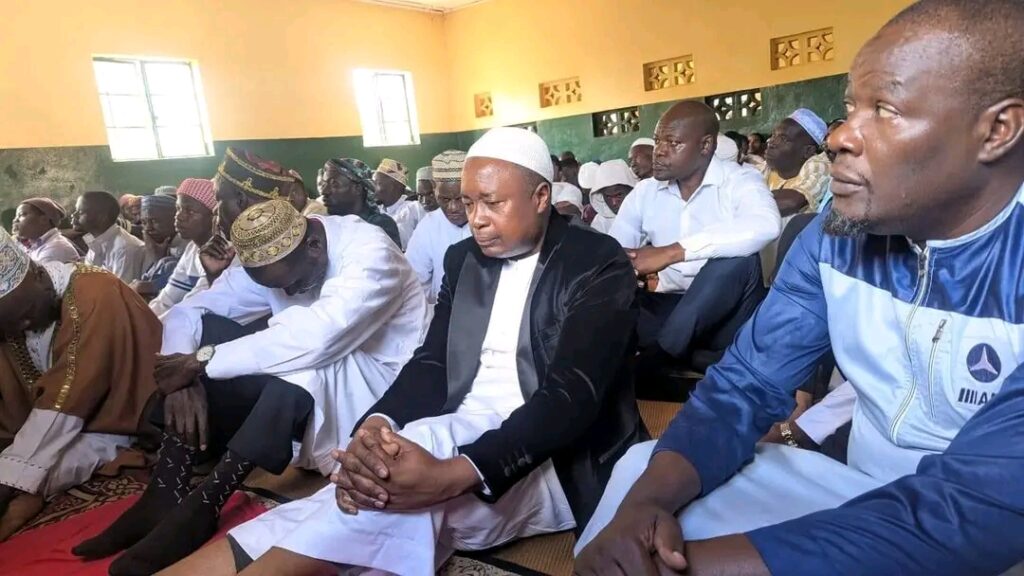 By Vincent Gunde Malawi Congress Party ( MCP) Chief Propagandist Dickson ” Ndiope Ndani?” Kashoti, has thanked UTM President Dr.…
 - Mwanamvekha Continues to Demonstrate Strong Leadership in Finance and Development
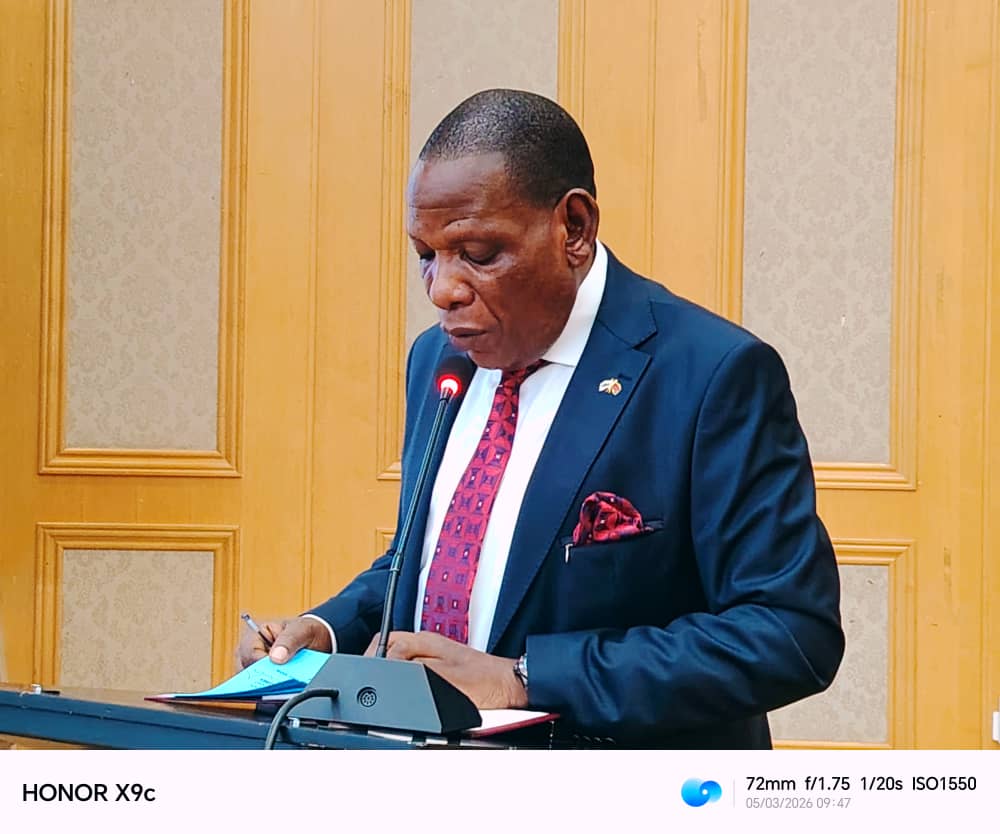 By Suleman Chitera The Minister of Finance and Economic Planning, Joseph Mwanamvekha, continues to stand out as one of the…
 - Kenani thanks Malawians for fighting Amaryllis Hotel sale
 By Vincent Gunde Social commentator Stanley Onjezani Kenani, has thanked Malawians for coming out speaking on Amaryllis Hotel sale saying…
 - Trump Suggests Iran Conflict Could Be Resolved, Calls for Strait of Hormuz Protection by User NationsBy Suleman Chitera Washington, D.C. — Former U.S. President Donald Trump on Thursday signaled that he is exploring ways to…
- HRDC Accused of Targeting Mutharika in Politically Charged Campaign — Chitera Speaks OutBy Staff Reporter A growing wave of criticism is being directed at the Human Rights Defenders Coalition (HRDC), with allegations…
- Kamphangala accuses Parliament of politicizing Chilima’s inquiry
 By Vincent Gunde A Malawi Congress Party ( MCP) diehard of Mvera in Dowa district Mr. Rodgers Kamphangala, says he…
 - Ntanyiwa thanks Mutharika for promising to tune in to Limpopo FM
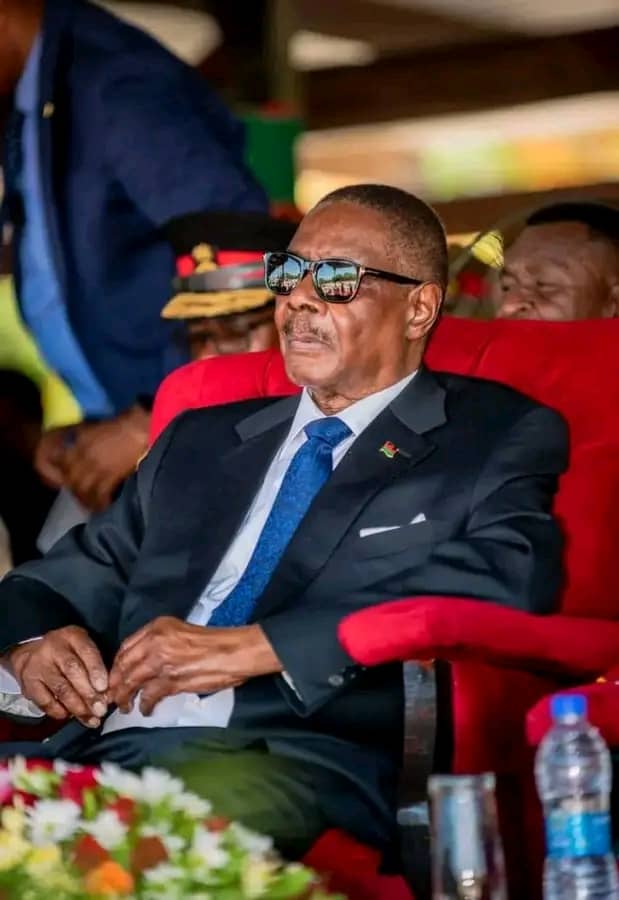 By Vincent Gunde Comrade Ntanyiwa of Limpopo FM online radio station, has thanked President Professor Arthur Peter Mutharika for promising…
 - Malawi turns A corner: Mwanamvekha’s economic leadership delivers real relief
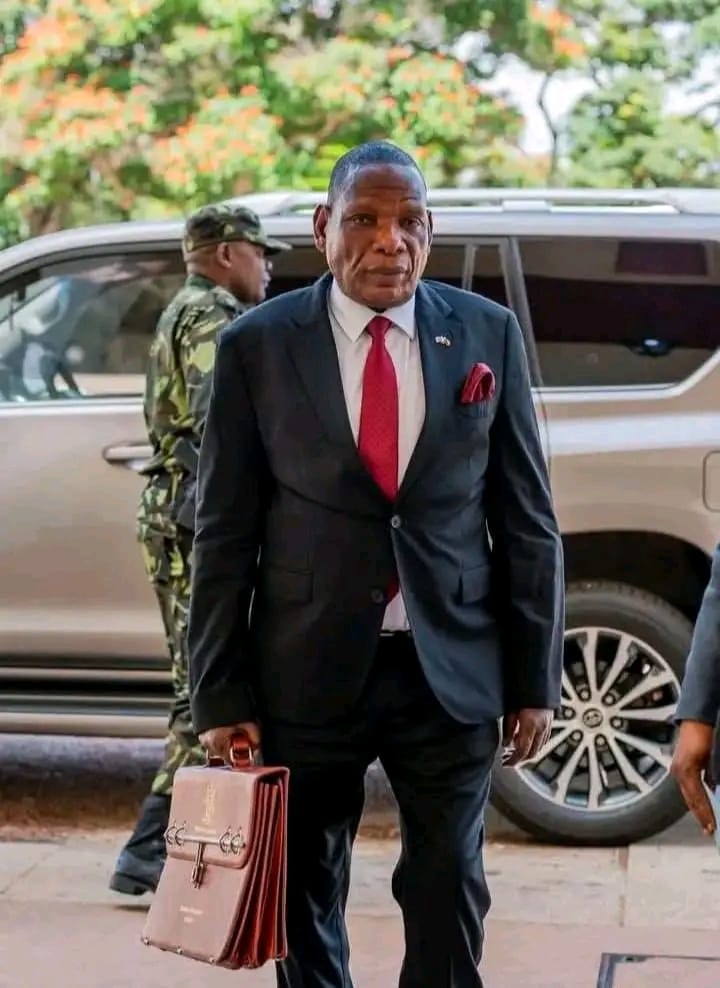 By Suleman Chitera Malawi is witnessing a renewed sense of optimism as Minister of Finance, Joseph Mwanamvekha, continues to steer…