




Pakistan cuts petrol price by Rs80 after public backlash
By Suleman Chitera
Pakistan’s Prime Minister Shehbaz Sharif has announced an Rs80 per litre cut in petrol prices to Rs378 for one month, reversing a steep hike imposed just a day earlier. The rollback follows widespread protests over surging fuel costs linked to the Middle East conflict and global oil price spikes. The government also unveiled subsidies and free public transport in Islamabad and Punjab to ease inflation’s impact on vulnerable groups.
From record hike to rapid reversal
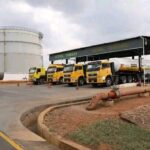
Within 24 hours of a record fuel price hike, Pakistan’s government reversed course, cutting petrol prices by Rs80 per litre to Rs378 for one month. The initial increase, driven by global oil spikes from the Middle East conflict, had pushed petrol up 42.7% and diesel 54.9%, sparking protests and long queues at stations. Officials said the rollback was funded through a petroleum levy adjustment after consultations with national and provincial leaders.
Relief package targets vulnerable groups
Alongside the price cut, the government announced Rs129 billion in subsidies over three weeks to shield citizens from rising costs. Motorcyclists will get Rs100 per litre for up to 20 litres monthly, truck operators up to Rs80,000 per month, and passenger buses Rs100,000 to maintain fare stability. Farmers will receive a one-time diesel subsidy to support harvesting, while economy-class rail fares will remain unchanged.
Free public transport rolls out
In a high-visibility gesture, Islamabad and Punjab have made all public transport free for 30 days, covering metro, bus, and train services. The scheme, costing Rs350 million in Islamabad alone, aims to help students, workers, and low-income commuters cope with fuel-driven fare hikes. Punjab’s package extends to the Orange Line Train, Metro Bus, Speedo Bus, and Green Electric Bus, benefiting thousands daily.
Public pressure and political optics
Protesters had labelled the initial hike a ‘petrol bomb’, with some blaming IMF demands rather than war-driven shortages. The swift rollback and high-profile austerity moves, such as cabinet members forgoing six months’ salaries, appear aimed at restoring public trust and political capital. Historically, such populist relief measures in Pakistan have provided temporary respite but raised concerns over fiscal sustainability if global oil prices remain high.