








SHOCKING COMPARISON: What MK100,000 Can Buy in Malawi Today Compared to Just Two Years Ago
By Staff Reporter
Lilongwe, Malawi – If you feel like your money is disappearing faster than ever before, you are not alone.
Across Malawi, families are struggling to keep up with rising prices of food, fuel, transport, rent and other basic necessities. What once seemed like a reasonable amount of money is now barely enough to cover a few essential items.
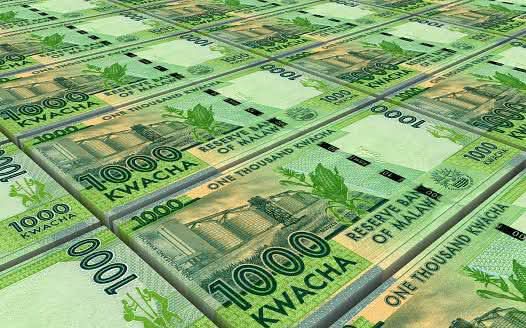
But just how much has the purchasing power of the Malawi Kwacha declined?
We compared what MK100,000 could buy in 2024 with what the same amount can buy in 2026, and the results are eye-opening.
The Reality of Rising Prices
Two years ago, MK100,000 could comfortably cover a family’s groceries for several weeks. Today, many households say that amount barely lasts a few days.FGRF Reaches 100,000 Families with Ramadan Food Relief Across Malawi
Consumers across the country continue to face rising costs driven by inflation, foreign exchange shortages, transportation costs and increased demand for essential commodities.
Maize Flour: Families Feeling the Pressure
Maize remains Malawi’s staple food, making its price one of the most important indicators of the cost of living.
In 2024, MK100,000 could purchase significantly more bags of maize flour than it can today.
Many households now report spending a much larger portion of their income on food alone, leaving less money for education, healthcare and other necessities.
Cooking Oil and Sugar Becoming More Expensive
The prices of cooking oil and sugar have also increased substantially over the past two years.
Consumers say products that were once affordable have become luxury purchases for some families.Malawi registers 12,000 new HIV infections, majority among youths: UNAIDS report
“I now buy smaller quantities because prices keep rising,” said one shopper in Lilongwe.
Transport Costs Continue to Rise
Whether travelling by minibus or private vehicle, transportation costs have become a major burden for many Malawians.
Fuel-related expenses have pushed up transport fares, affecting workers, students and business operators alike.
As transport costs increase, prices of goods transported across the country also rise, creating a ripple effect throughout the economy.
Rent and Housing Costs Climbing
Urban residents are increasingly concerned about rental costs.
In cities such as Lilongwe, Blantyre, Mzuzu and Zomba, tenants say housing costs have risen considerably compared to two years ago.
For many families, accommodation now consumes a significant share of monthly income.
What Malawians Are Saying
Many citizens interviewed expressed concern about the declining value of the Kwacha.
Some say salaries have remained largely unchanged while the cost of living continues to increase.Experts Warn Against Hasty Malawi Kwacha Devaluation Amid Exchange Rate Unification Calls
Others fear that without significant economic improvements, household budgets will remain under pressure for years to come.
Why Purchasing Power Matters
Purchasing power refers to how much goods and services a given amount of money can buy.
When prices rise faster than incomes, consumers effectively become poorer because their money buys fewer products than before.
This is exactly the challenge many Malawians say they are facing today.
Can the Situation Improve?
Economists argue that controlling inflation, increasing foreign exchange availability, boosting agricultural production and supporting local industries could help stabilize prices over time.
However, many experts caution that meaningful improvements may take time.
For now, households continue adjusting their spending habits as they navigate increasingly difficult economic conditions.
The Big Question
If MK100,000 buys far less today than it did two years ago, how are ordinary Malawians coping with the rising cost of living?Atupele Muluzi Warns Malawi Economy at Breaking Point: Calls for Urgent Currency Reform, Business Protection, and Market-Driven Policies
Share your experience in the comments section. What could MK100,000 buy for your family two years ago, and what can it buy today?