By Suleman Chitera
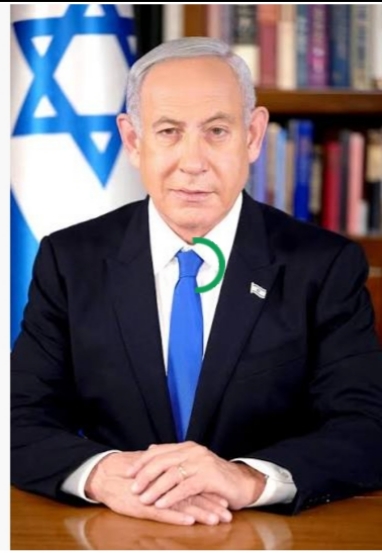
Israeli Prime Minister Benjamin Netanyahu has declared that the time has come for Israel to reduce its dependence on United States military assistance and strengthen its own defense production capabilities.
Netanyahu made the remarks during a meeting with Israeli soldiers, where he praised their commitment and resilience during recent military tensions involving Iran. He emphasized that Israel must be able to defend itself independently without relying heavily on foreign support.Iran Warns Ukraine Could Become “Legitimate Target” Over Drone Support to Israel
According to reports by Al Jazeera, the Israeli leader stated that dependence on another country for military equipment can limit a nation’s ability to make sovereign decisions, especially during times of conflict.
“National security requires self-reliance,” Netanyahu reportedly said, adding that countries should be prepared for situations where foreign allies may choose to withdraw their support.
His comments come amid growing debate over the future of US-Israel relations. Recent reports indicate that US President Donald Trump warned that American support for Israel could be reconsidered if military operations involving Lebanon and Palestine continue to escalate.EU Faces Pressure as 1 Million Citizens Demand Suspension of Israel Trade Deal Over Gaza
The United States has been Israel’s largest military and financial supporter since the country’s establishment in 1948. Over the decades, Israel has reportedly received approximately $300 billion in American aid, helping it develop one of the world’s most advanced defense systems.Why Are Malawi Cabinet Ministers Silent on Alleged “Gold Shipment to Israel”? Public Demands Answers Grow
Political analysts say Netanyahu’s statement could signal a major shift in Israel’s long-term defense strategy, with increased investment expected in domestic weapons manufacturing, military technology, and national security infrastructure.
The development is likely to attract global attention as tensions in the Middle East continue to influence international diplomacy, security policies, and military alliances.