 Malawi Freedom Network
By Twink Jones Gadama
The potential withdrawal of the United States from the World Health Organization (WHO) raises significant concerns for global health, particularly for countries like Malawi, which rely heavily on international support and collaboration to bolster their healthcare systems. Malawi, a nation grappling with numerous health challenges, including high rates of HIV/AIDS, tuberculosis, and maternal and child mortality, stands at a precarious juncture. The implications of the USA’s withdrawal from the WHO could reverberate through Malawi’s healthcare system, exacerbating existing vulnerabilities and hindering progress toward achieving universal health coverage.
To understand the potential consequences of such a withdrawal, it is essential to recognize the role that the WHO plays in global health governance. The organization provides critical support to countries in various forms, including technical assistance, funding, and the establishment of health standards. For Malawi, the WHO has been instrumental in coordinating responses to health crises, facilitating vaccination campaigns, and providing guidance on disease prevention and control. The loss of American support for the WHO could undermine these efforts, leaving Malawi to navigate its health challenges with diminished resources and expertise.
Malawi’s healthcare system is already under strain, characterized by a shortage of healthcare professionals, inadequate infrastructure, and limited access to essential medicines. The country has made strides in improving health outcomes over the past two decades, but these gains are fragile and heavily dependent on external funding and support. The USA has historically been one of the largest contributors to the WHO, and its withdrawal could lead to a significant reduction in the organization’s budget. This, in turn, would likely result in cuts to programs that directly benefit Malawi, such as those aimed at combating infectious diseases and improving maternal and child health.
One of the most pressing health issues in Malawi is the high prevalence of HIV/AIDS. The country has one of the highest rates of HIV infection in the world, with approximately 9% of the adult population living with the virus. The WHO has played a crucial role in supporting Malawi’s efforts to provide antiretroviral therapy (ART) to those in need, as well as in implementing prevention strategies. If the USA withdraws from the WHO, the funding and resources that support these initiatives could dwindle, jeopardizing the progress made in reducing HIV transmission and improving the quality of life for those living with the virus.
Moreover, Malawi faces significant challenges in addressing tuberculosis (TB), which remains a leading cause of morbidity and mortality. The WHO has been pivotal in providing technical assistance and resources for TB control programs in Malawi. A reduction in WHO funding and support could hinder the country’s ability to implement effective TB prevention and treatment strategies, potentially leading to an increase in TB cases and further straining an already overburdened healthcare system.
Maternal and child health is another critical area where Malawi has made progress, yet significant challenges remain. The country has one of the highest maternal mortality rates in the world, with approximately 439 deaths per 100,000 live births. The WHO has been instrumental in supporting initiatives aimed at improving maternal healthcare, including antenatal care, skilled birth attendance, and postnatal care. The potential withdrawal of the USA from the WHO could disrupt these programs, making it more difficult for Malawi to achieve its goals of reducing maternal and child mortality.
In addition to the direct impact on health programs, the USA’s withdrawal from the WHO could also have broader implications for global health governance. The WHO serves as a platform for international collaboration and coordination in addressing health challenges that transcend national borders. The COVID-19 pandemic has underscored the importance of global solidarity in responding to health crises. If the USA withdraws from the WHO, it could set a precedent for other countries to follow suit, leading to a fragmentation of global health efforts. For Malawi, this could mean a loss of access to vital information, research, and best practices that are essential for addressing its health challenges.
Furthermore, the potential withdrawal could weaken the WHO’s ability to respond to emerging health threats, such as pandemics and antibiotic resistance. Malawi, like many low-income countries, is particularly vulnerable to the impacts of such threats due to its limited healthcare infrastructure and resources. A weakened WHO would struggle to provide the necessary support and guidance to countries like Malawi, leaving them ill-equipped to handle future health crises.
The implications of the USA’s withdrawal from the WHO extend beyond immediate health concerns; they also touch on issues of equity and justice in global health. Malawi, as a low-income country, is already at a disadvantage in terms of access to healthcare resources and services. The potential loss of support from the WHO could exacerbate existing inequalities, making it even more challenging for Malawi to achieve its health goals. The global health landscape is interconnected, and the health of one nation can significantly impact the health of others. A withdrawal by the USA could undermine the collective efforts needed to address health disparities and promote health equity on a global scale.
In conclusion, the potential withdrawal of the USA from the World Health Organization poses a significant threat to Malawi’s healthcare system and its ability to address pressing health challenges. The WHO has been a vital partner in supporting Malawi’s health initiatives, and a reduction in funding and resources could jeopardize the progress made in combating diseases such as HIV/AIDS, tuberculosis, and maternal and child mortality. Moreover, the broader implications for global health governance and equity cannot be overlooked. As the world grapples with complex health challenges, it is imperative that countries work together to strengthen global health systems rather than retreating into isolationism. For Malawi, the stakes are high, and the potential consequences of the USA’s withdrawal from the WHO could reverberate for years to come, hindering the country’s efforts to achieve better health outcomes for its population. The international community must recognize the interconnectedness of health and work collaboratively to ensure that vulnerable nations like Malawi are not left behind in the pursuit of global health security
- MEC Appoints Andrew Kamkwalala as New Chief Elections Officer

- One killed, five arrested over murder of two South African crime intelligence officers

- Corruption must be fought without fear or favour; Kabambe
- Onjezani Kenani Questions Phone Evidence in June 10 Plane Crash

- Malawi Stays as Dozens Walk Out of Netanyahu’s UN Speech
- US Embassy Commends Malawi Police After Safe Rescue of British National
- CAMA Draws Red Line on Further Kwacha Devaluation, Warns Malawians Cannot Afford Another Shock
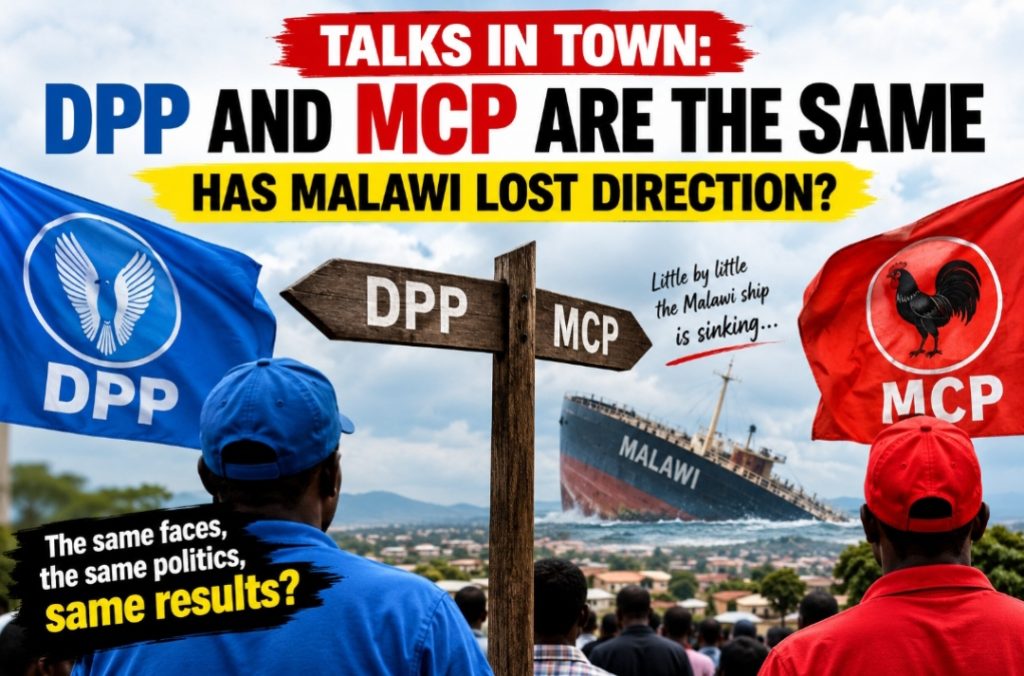
- Talks in Town: DPP and MCP Are the Same — Has Malawi Lost Direction?
- Put Your Brand in the Spotlight: Malawi Freedom Network Opens Doors for Promotional Stories

- Mwanamvekha Calls for Malawi-Owned IMF Programme as World Bank Urges Economic Reforms
- Kalindo calls government to regulate churches
- Parliament Rebukes Former Police Director Over Conduct During Chilima Inquiry
- From SPC & party SG To SPC & deputy minister: has Malawi learned nothing?

- The $350,000 gift that shook Zimbabwe: Why top lawyer Uriri said no to Mnangagwa’s proxy

- Zimbabwe launches national cloud-seeding programme as SADC braces for below-normal rains
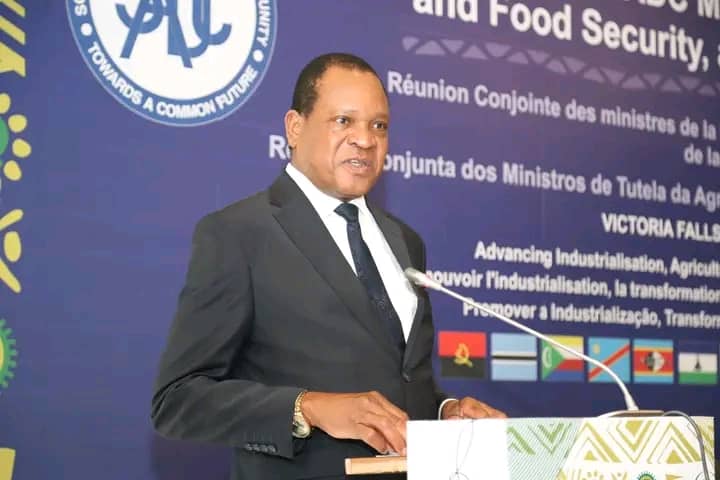
- Don’t’ kill Malawi’s multiparty Democracy, Imran Jumbe warns over political party fines
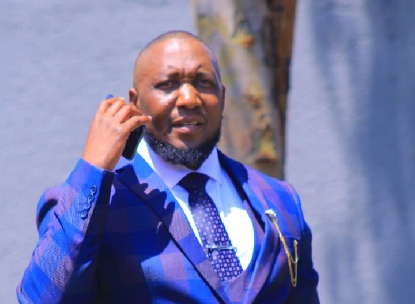
- Rhodrick Junaid Kalumpha: A New Breed Ready to Change Malawi Through Economic Transformation, Development and Food Security
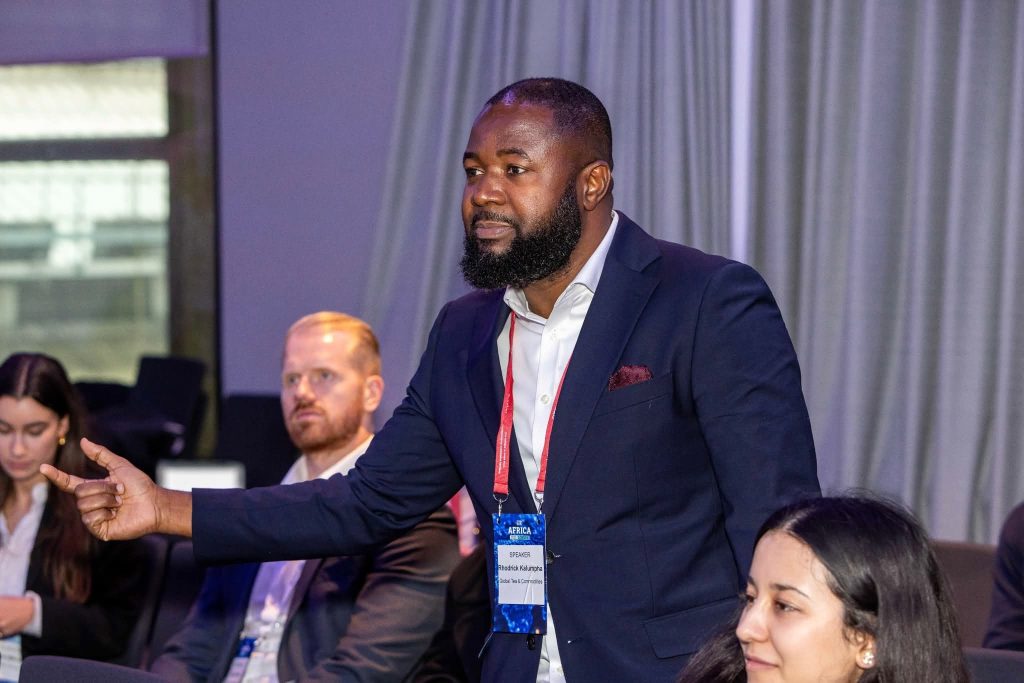
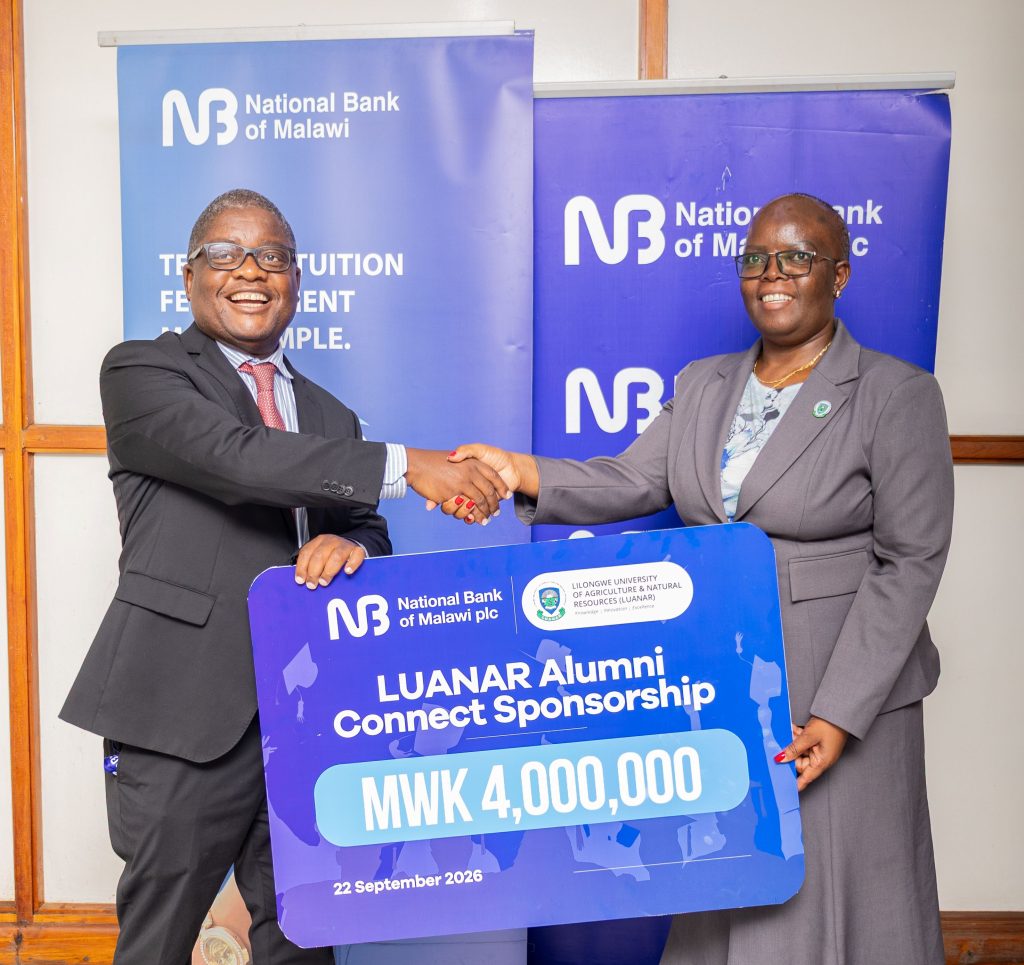
- NBM plc backs LUANAR Alumni Network with K4 million sponsorship
- MUST dominates KuHES in Mo626 Varsity Games South Championship battle

.
Read also: Vincent Nundwe-Joshua Chisa Mbele Defamation Case Proceeds Today
Read also: Jumah says Chakwera is running Malawi as an absent landlord
Read also: Jumbe says Nyalonje’s resignation is a “candle in the darkness”