

By Suleman Chitera
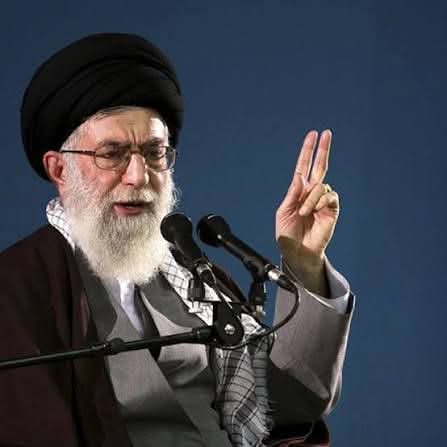
Iran has issued a firm warning that it is fully prepared to defend itself should the United States attempt any form of military or political aggression, following remarks by former US President Donald Trump suggesting possible American intervention in Iran’s internal unrest.
The statement underscores a growing confrontation between Iran and the United States, one driven less by diplomacy and more by provocative rhetoric that risks destabilizing an already volatile region.
Iran’s Foreign Minister Abbas Araghchi was unequivocal: Tehran does not seek war, but it will not hesitate to respond decisively to threats or interference. His remarks were a direct rebuttal to Trump’s comments, which Iran views as a blatant intrusion into its sovereignty.
At the heart of the dispute are protests inside Iran. Araghchi dismissed the unrest as neither spontaneous nor purely domestic, accusing Washington and Israel of orchestrating and financing destabilizing activities. He argued that no sovereign nation would tolerate foreign-backed efforts aimed at undermining its constitutional order.
This exchange exposes a deeper and more dangerous pattern: the normalization of interference under the guise of “supporting democracy.” History has shown that such interventions rarely bring stability. Instead, they leave fractured societies, prolonged conflict, and regional spillover effects that punish ordinary citizens far more than political elites.
Trump’s remarks, far from calming tensions, have reinforced Iran’s long-held suspicion that the US prefers coercion over dialogue. For Tehran, the message is clear—any external pressure, whether military, economic, or political, will be met with resistance.
The stakes are high. A miscalculation could ignite a broader conflict with consequences far beyond Iran’s borders, affecting global energy markets and regional security across the Middle East. Iran’s warning should therefore be read not as warmongering, but as a declaration of deterrence: a signal that sovereignty is non-negotiable.
As tensions escalate, the international community faces a choice—continue down the familiar path of confrontation and interference, or press for restraint and genuine diplomacy. What is certain is that reckless rhetoric from powerful capitals carries real-world consequences, and Iran has made it clear it will not stand idle if those words turn into action.
- IMF Talks Return as Malawi Battles Economic Turbulence, Mwanamvekha Rules Out Devaluation Agenda
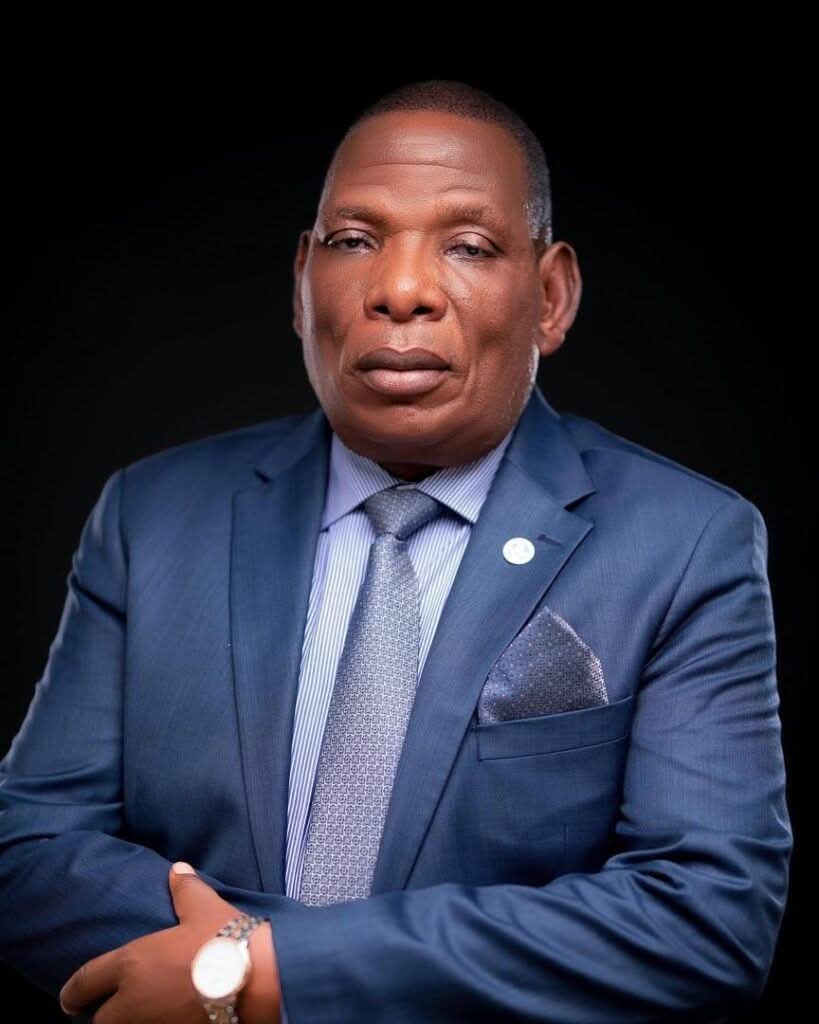 By Suleman Chitera Malawi is set for another critical round of economic negotiations with the International Monetary Fund (IMF) amid growing pressure on the country’s fragile economy, with Minister of Finance, Economic Planning and Decentralization Joseph Mwanamvekha assuring the nation that currency devaluation will not form part of the upcoming discussions.APM Leadership Revitalising the Economy,… Read more: IMF Talks Return as Malawi Battles Economic Turbulence, Mwanamvekha Rules Out Devaluation Agenda
 - Napoleon Dzombe Nears Completion of Fertilizer Factory in Dowa as Malawi Eyes Local Production Boost
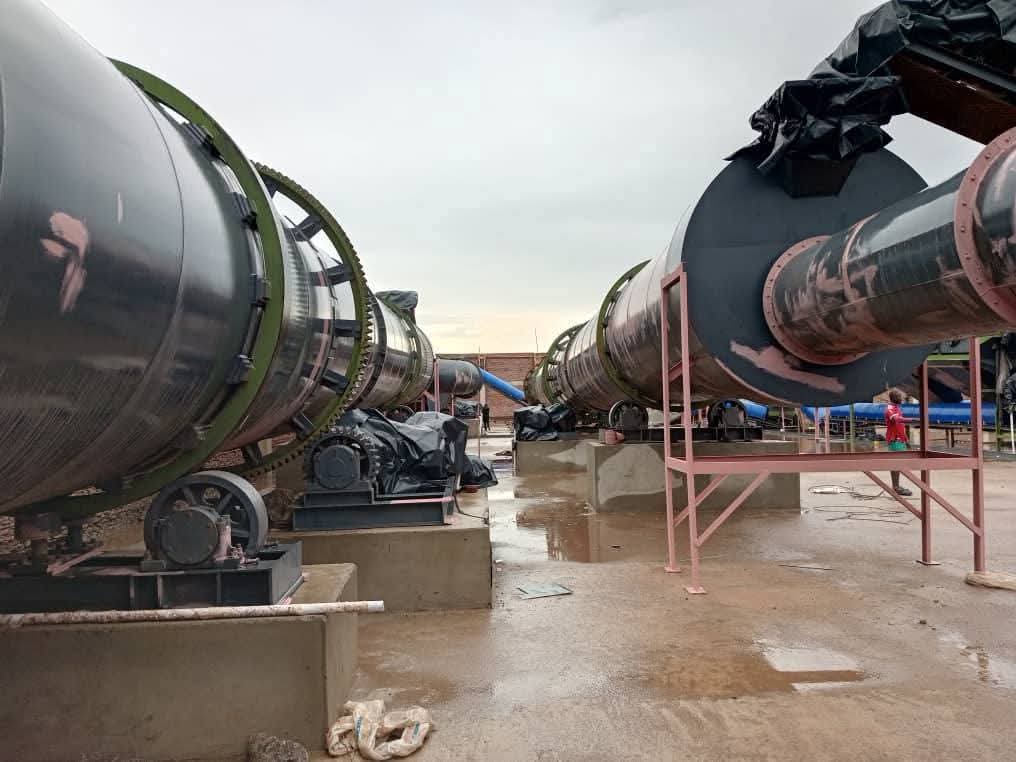 By Suleman Chitera Prominent Malawian agriculture and business entrepreneur Napoleon Dzombe has announced that construction works for his much-anticipated fertilizer manufacturing plant in Madisi, Dowa District, are nearing completion, with fertilizer production expected to commence before the end of this year.Napoleon Dzombe: The Making of a Patriotic Industrialist in Malawi The development is being viewed… Read more: Napoleon Dzombe Nears Completion of Fertilizer Factory in Dowa as Malawi Eyes Local Production Boost
 - Eid Al-Adha Marked by 30-Cattle Donation from Dr Jane Ansah Foundation to Malawi’s Muslim Communities
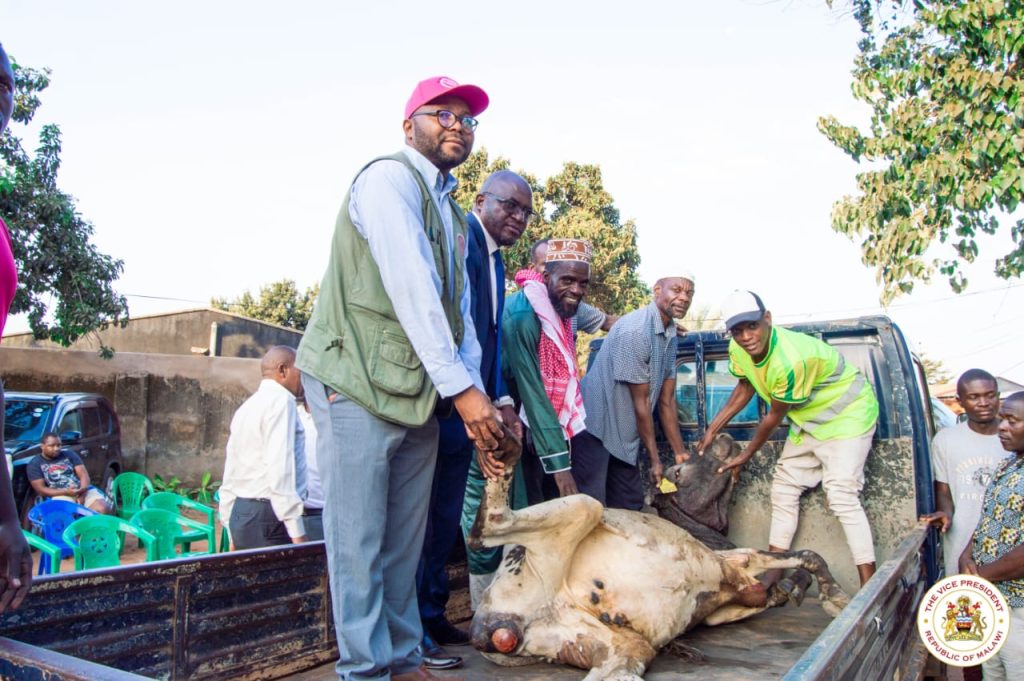 By Burnett Munthali On Wednesday, the Dr Jane Ansah Foundation distributed 30 cattle to Muslim communities in Malawi to commemorate Eid Al-Adha. The initiative was aimed at assisting families observing the festival of sacrifice. Yusuf Nthenda, Executive Director of the Foundation, said the gesture highlights the organization’s commitment to supporting people during significant religious observances.Empowerment… Read more: Eid Al-Adha Marked by 30-Cattle Donation from Dr Jane Ansah Foundation to Malawi’s Muslim Communities
 - Malawi, IMF Set for Crucial June Talks on New Economic Reform Programme
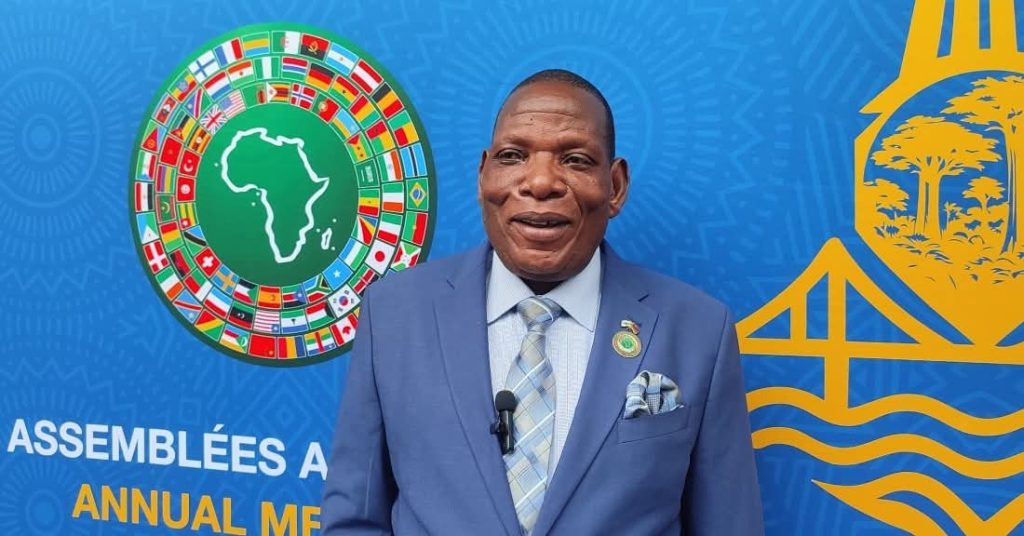 By Suleman Chitera Malawi is set for high-stakes economic discussions next month as the International Monetary Fund (IMF) prepares to send a mission to the country from June 9 to June 18, 2026, for negotiations surrounding a new Extended Credit Facility (ECF) programme. Minister of Finance, Economic Planning and Decentralisation, Joseph Mwanamvekha, confirmed the development… Read more: Malawi, IMF Set for Crucial June Talks on New Economic Reform Programme
 - Corruption in Malawi’s Public Hospitals Undermining Health System, Journalists tell Parliament
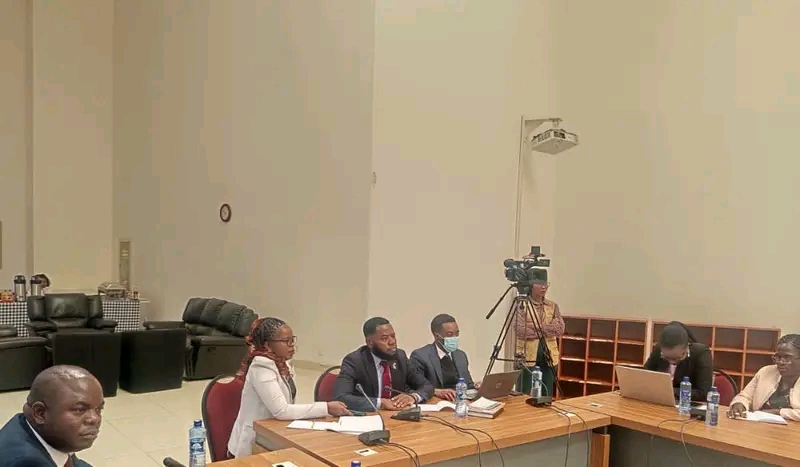 By Burnett Munthali Investigative journalists in Malawi have told Parliament that corruption in public hospitals is weakening the country’s health system. Their testimony came during a session focused on exposing malpractice and identifying reforms to restore accountability in health facilities.Kalumo to Challenge Corruption Charges in Court, Cites Immunity and ACB Jurisdiction Appearing before Parliament’s health… Read more: Corruption in Malawi’s Public Hospitals Undermining Health System, Journalists tell Parliament
 - Will ADMARC Be Called The Granary For Farmers Again?
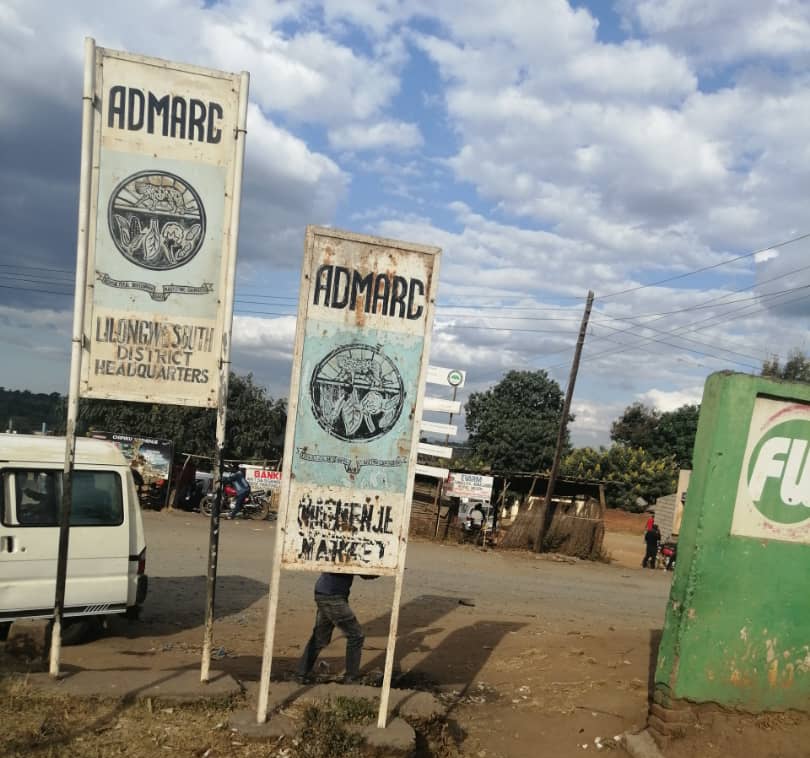 Story by Mabvuto Kalawa, Correspondent, Malawi News Network For many years, especially during the Kamuzu Banda era, the Agricultural Development and Marketing Corporation, ADMARC, was one of Malawi’s most respected parastatals.Chakwera faces low turnout at Mtakataka ADMARC stop It was widely known as nkhokwe ya alimi, the granary for farmers, for its role in buying… Read more: Will ADMARC Be Called The Granary For Farmers Again?
 - Muslims in Malawi to Observe Eid Al-Adha Tomorrow as MAM Calls for Support Amid Cattle Movement Restrictions
 By Suleman Chitera Muslims across Malawi tomorrow, Thursday, May 28, will join millions of fellow believers around the world in commemorating Eid Al-Adha, one of the holiest celebrations in Islam, marked by prayers, sacrifice, charity and family gatherings. The celebration, also known as the Feast of Sacrifice, commemorates the devotion and obedience of Prophet Abraham,… Read more: Muslims in Malawi to Observe Eid Al-Adha Tomorrow as MAM Calls for Support Amid Cattle Movement Restrictions
 - Biography of Aaron Gadama
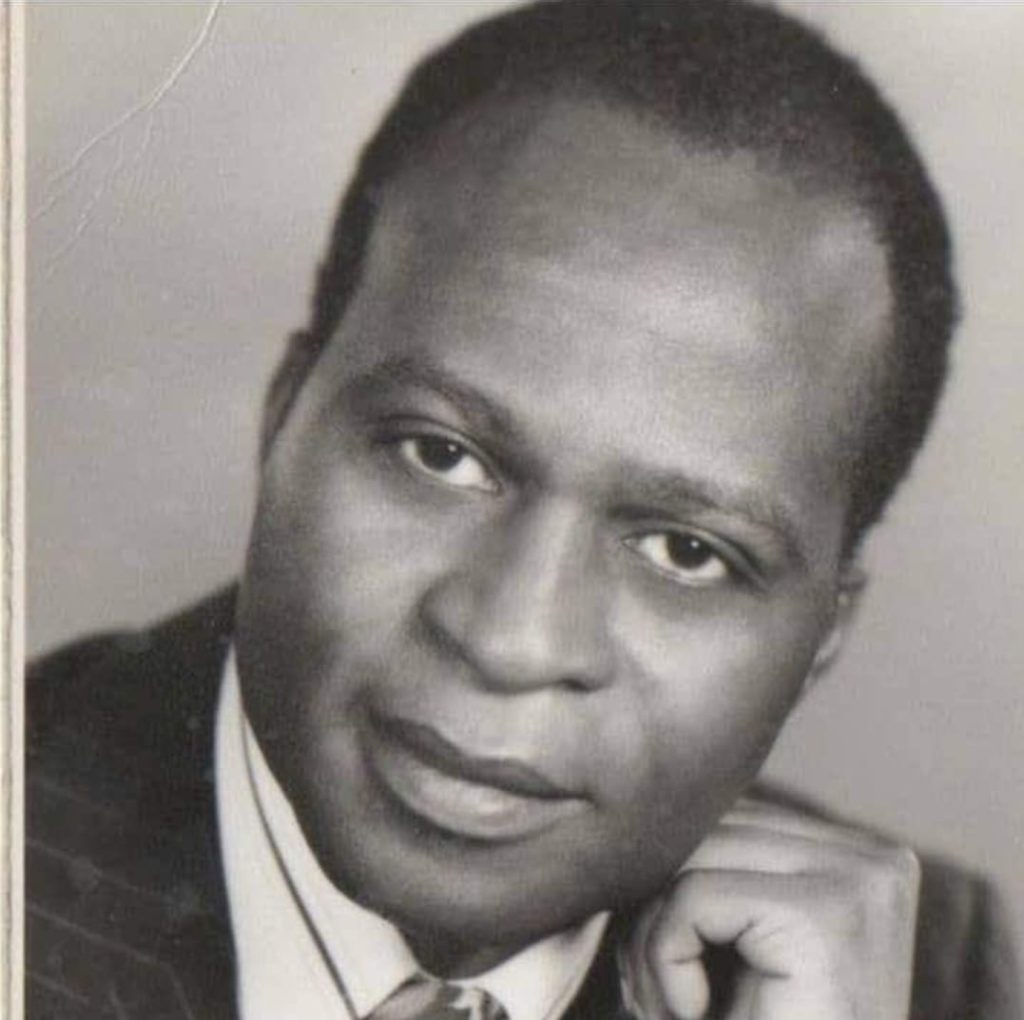 By Suleman Chitera Aaron Gadama was a Malawian politician whose life and career became closely associated with one of the most controversial and tragic political incidents in Malawi’s history. His story is deeply rooted in the political transformation of Malawi from colonial rule to independence and later into a one-party state under President Hastings Kamuzu… Read more: Biography of Aaron Gadama
 - MCP–UTM Memorial Row Over Saulos Chilima Sparks Political Backlash as Analyst Warns of Ill-Timed Dispute
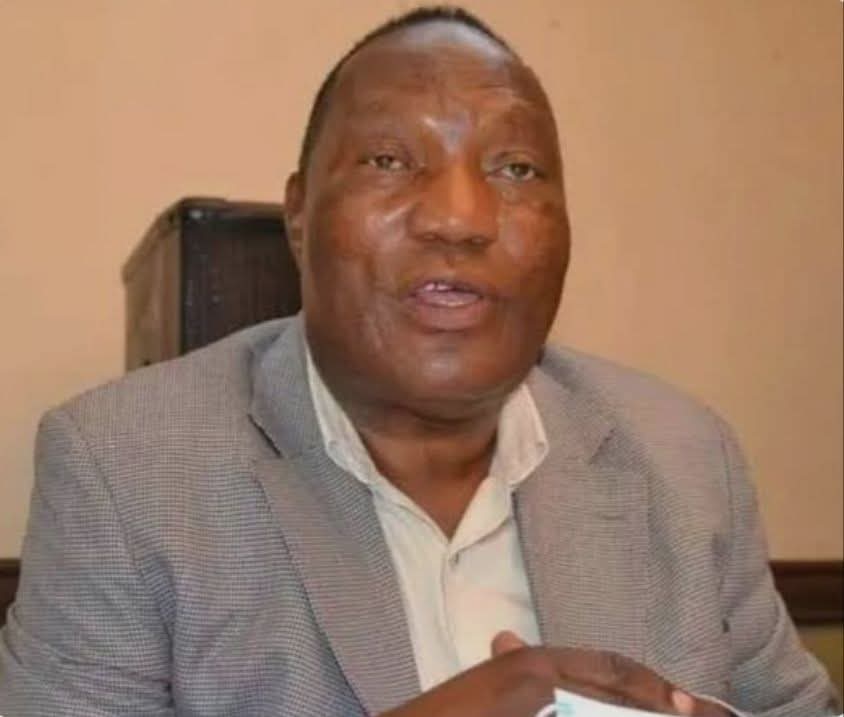 By Suleman Chitera The growing disagreement between the Malawi Congress Party (MCP) and the UTM Party over the upcoming memorial event for late former Vice President Saulos Chilima has triggered sharp criticism from political commentators, who say the dispute is overshadowing a moment meant for reflection, unity, and respect.Malawi Military Faces Questions Over Handling of… Read more: MCP–UTM Memorial Row Over Saulos Chilima Sparks Political Backlash as Analyst Warns of Ill-Timed Dispute
 - Ekhaya Farm Foods Fresh Oranges Deliver the Perfect Vitamin C Boost
 By Suleman Chitera Looking for fresh, juicy and naturally sweet oranges this week? Ekhaya Farm Foods has the perfect choice for your family and daily health needs.Ekhaya Northgate Has a Fresh New Look! Packed with refreshing flavor and rich in Vitamin C, Ekhaya Farm Foods oranges are ideal for freshly squeezed juice, healthy snacks, school… Read more: Ekhaya Farm Foods Fresh Oranges Deliver the Perfect Vitamin C Boost
 - Concerned citizen group expresses concerns over rejection of tobacco bales
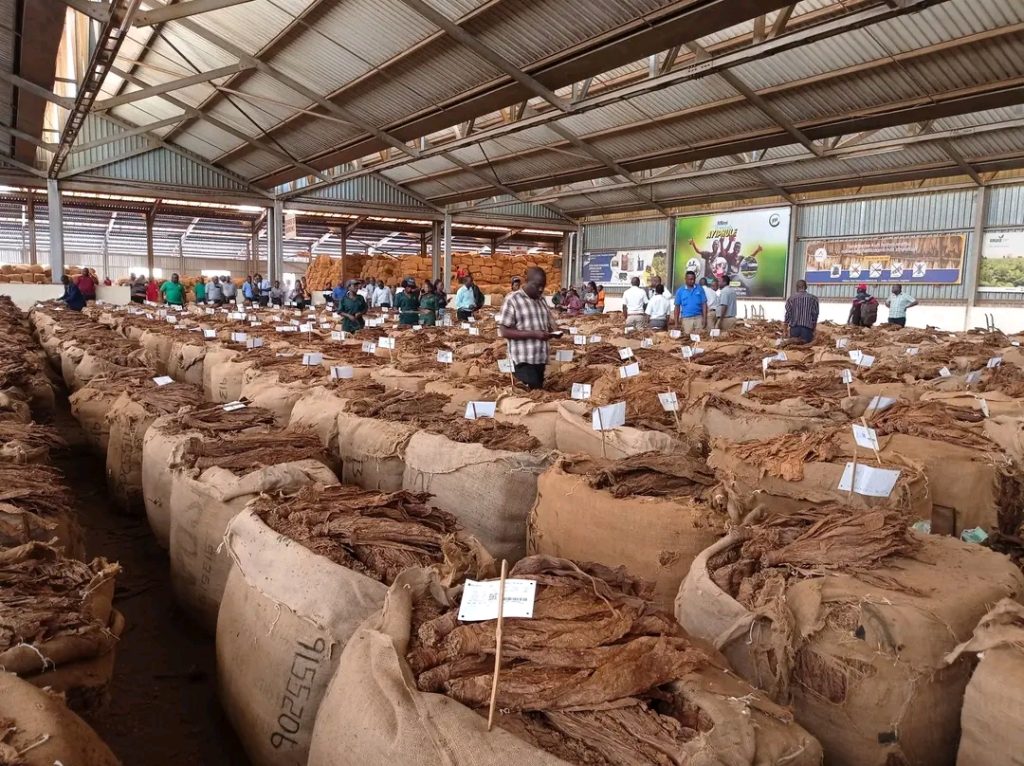 By Vincent Gunde The Concerned Citizen of Malawi – People Power Movement, says they are deeply concerned by poor tobacco sales and increasing rejection of tobacco bales saying this is affecting farmers and reducing income circulation in communities.Concerned tobacco farmers’ pens Government on tobacco prices The Citizen Group has claimed that many households are already… Read more: Concerned citizen group expresses concerns over rejection of tobacco bales
 - Ayuba James says everything is judged from the point of politics
 By Vincent Gunde Counsel Silvester Ayuba James says in Malawi, everything is judged from the point of politics saying this is why the country is moving backward. Malawi Arsenal supporters wrote the Government of the DPP expressing their intention to parade in Lilongwe on the 30th May, 2026.Wilshere poised to leave Arsenal to join Norwich… Read more: Ayuba James says everything is judged from the point of politics
 - FAM Approves Historic Reserve League to Boost Malawi Football Development
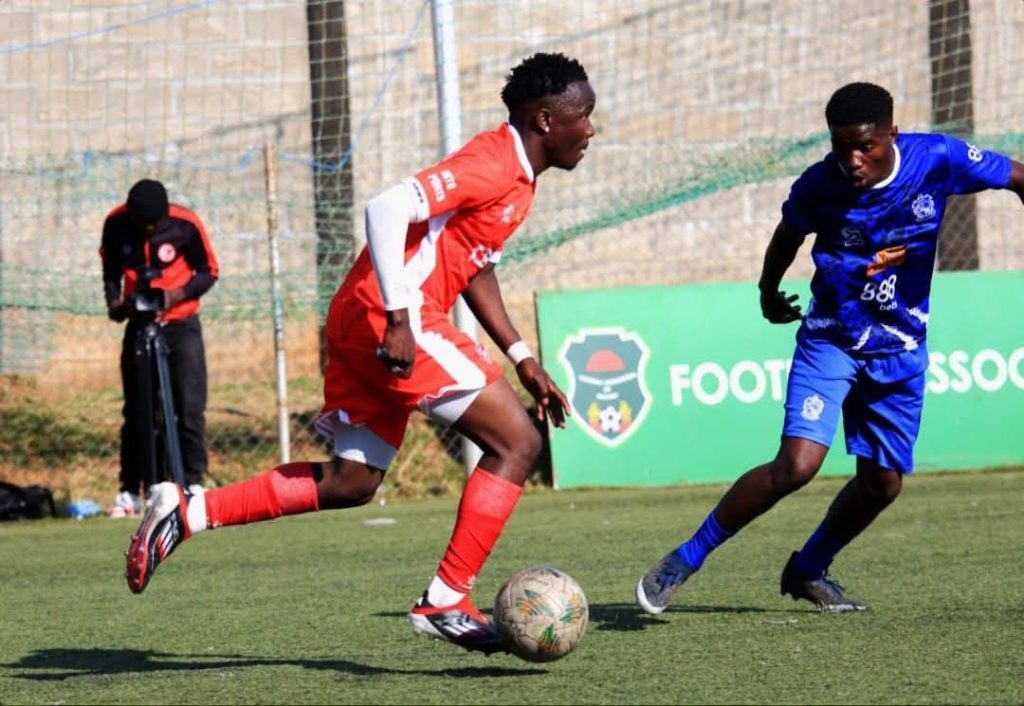 By Suleman Chitera The Football Association of Malawi (FAM) has taken a major step towards transforming local football after officially approving the introduction of a Reserve League set to begin in the 2027/2028 season.FGRF Extends Lifesaving Support to Chonde Community Hospital and Vulnerable Families in Luchenza The landmark decision was endorsed during the association’s executive… Read more: FAM Approves Historic Reserve League to Boost Malawi Football Development
 - Iran to Stay in Mexico During 2026 FIFA World Cup After US Refusal
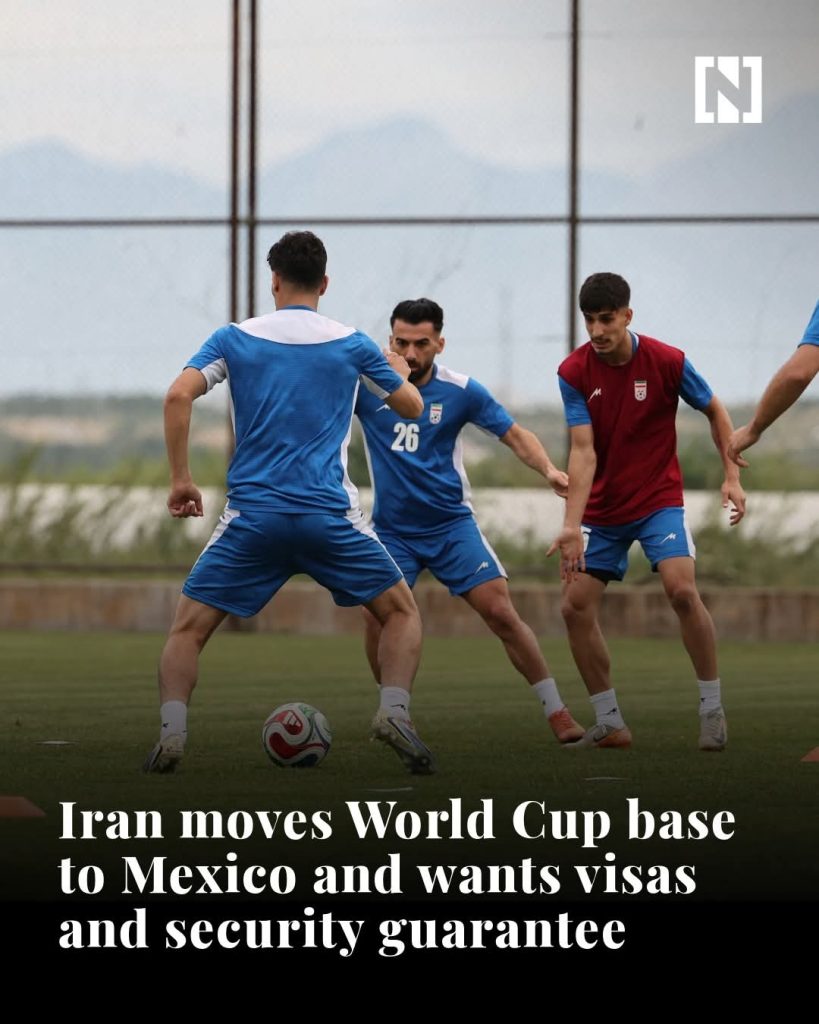 By Suleman Chitera The Iranian national football team will reportedly base itself in Mexico during the 2026 FIFA World Cup after the United States declined to host the squad throughout the tournament.Fam president makes history with FIFA committee appointment According to Mexican President Claudia Sheinbaum, world football governing body FIFA approached Mexico following concerns raised… Read more: Iran to Stay in Mexico During 2026 FIFA World Cup After US Refusal
 - Eid Ul-Adha Special- Malawi Freedom Network
 By Suleman Chitera As Muslims across Malawi and the world celebrate the blessed occasion of Eid ul-Adha, Malawi Freedom Network wishes all our Muslim brothers and sisters peace, happiness, and countless blessings.MAM Blasts MCP Government for Snubbing Eidul Adhuha May this sacred celebration strengthen faith, unity, sacrifice, and love within our communities. Let this Eid… Read more: Eid Ul-Adha Special- Malawi Freedom Network
 - Questions Mount Over Alleged Use of Nkhotakota District Council Resources in Court Case Involving Chairperson Fitton Khofi
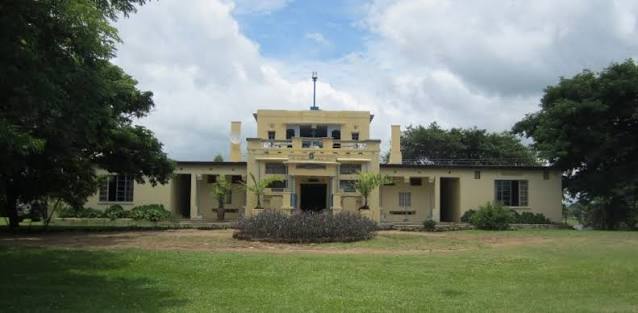 By Suleman Chitera Questions are intensifying over the alleged handling and possible use of public resources at Nkhotakota District Council in connection with an ongoing court case involving Council Chairperson Fitton Khofi. Khofi, who also serves as a Malawi Congress Party (MCP) ward councillor, is currently defending himself in a defamation case before the Chief… Read more: Questions Mount Over Alleged Use of Nkhotakota District Council Resources in Court Case Involving Chairperson Fitton Khofi
 - BREAKING: MEC Chief Elections Officer Andrew Mpesi Resigns Amid Secrecy Over Exit
 By Suleman Chitera The Malawi Electoral Commission Chief Elections Officer, Andrew Mpesi, has reportedly resigned from his position, but the reasons behind his sudden departure remain unclear. When contacted for comment minutes ago, Mpesi declined to explain the circumstances surrounding his resignation, only stating briefly that he was “in a meeting.”MEC Confirms Dedza Election Results,… Read more: BREAKING: MEC Chief Elections Officer Andrew Mpesi Resigns Amid Secrecy Over Exit
 - Malawi Pushes for Climate and Agricultural Financing at AfDB Meetings to Drive ATM Strategy
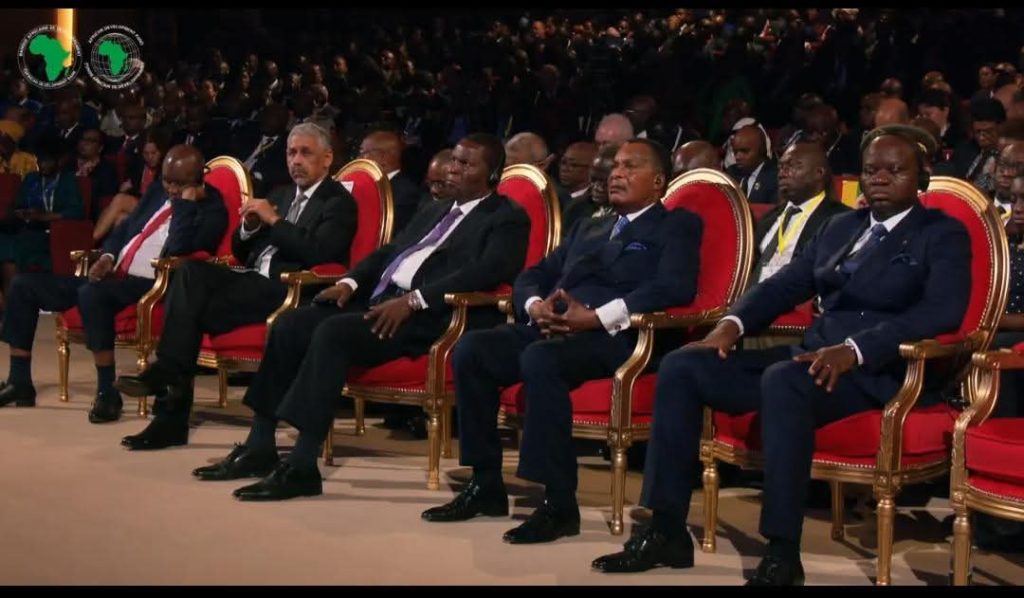 By Suleman Chitera Malawi has intensified its push for international financing and strategic partnerships at the ongoing African Development Bank (AfDB) Group Annual Meetings in Brazzaville, Republic of the Congo, as the government seeks to accelerate economic transformation through the Agriculture, Tourism and Mining (ATM) Strategy Dont skip this Joseph Mwanamvekha: Steering Malawi’s Financial Ship… Read more: Malawi Pushes for Climate and Agricultural Financing at AfDB Meetings to Drive ATM Strategy
 - Malawi Government Commits More Resources to Revamp Water and Sanitation Infrastructure
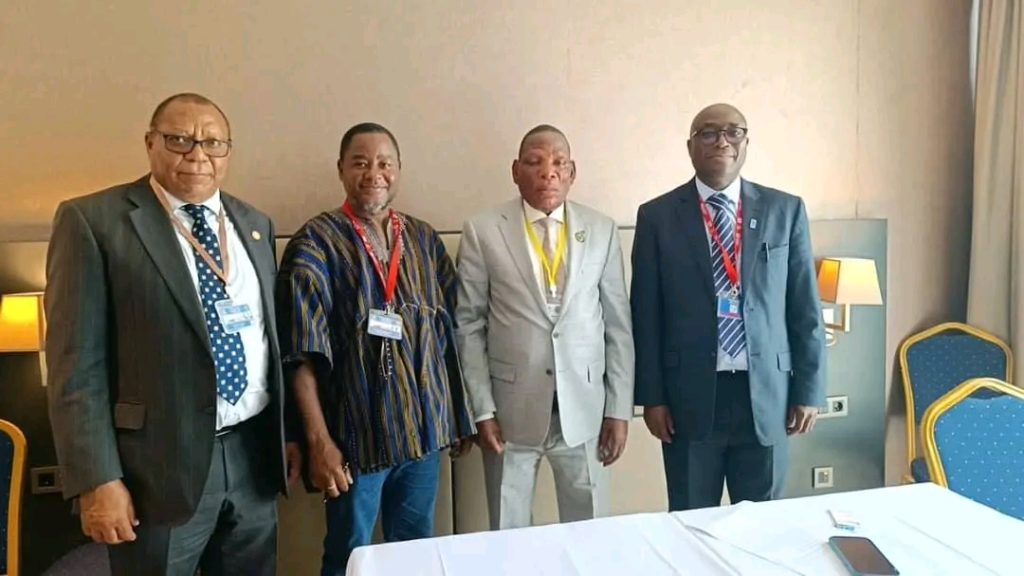 By Suleman Chitera The Malawi Government has reaffirmed its commitment to improving access to clean water and sanitation services by intensifying efforts to mobilise additional resources aimed at rehabilitating aging infrastructure and addressing persistent service delivery challenges across the country. Speaking at the conclusion of an interface meeting with officials from WaterAid on the sidelines… Read more: Malawi Government Commits More Resources to Revamp Water and Sanitation Infrastructure
 - CDEDI Demands Fresh Probe Into Chilima Plane Crash, Accuses Previous Investigators of Cover-Up
 By Suleman Chitera The Centre for Democracy and Economic Development Initiatives (CDEDI) has intensified pressure on authorities by demanding a thorough, transparent and independent investigation into the tragic June 10, 2024 plane crash that claimed the life of former Vice-President Saulos Klaus Chilima and eight others.Malawians Demand Live Radio Broadcast of Chilima Plane Crash Inquiry… Read more: CDEDI Demands Fresh Probe Into Chilima Plane Crash, Accuses Previous Investigators of Cover-Up
MALAWI
FREEDOM
NETWORK
United for Freedom, Justice and a Better Malawi
Airtel Money
0994095804
Mpamba
0881428759
FDH Bank
Acc No:
1400000670385NBS Bank
Acc No:
10118988Thank you for your support!