By Suleman Chitera
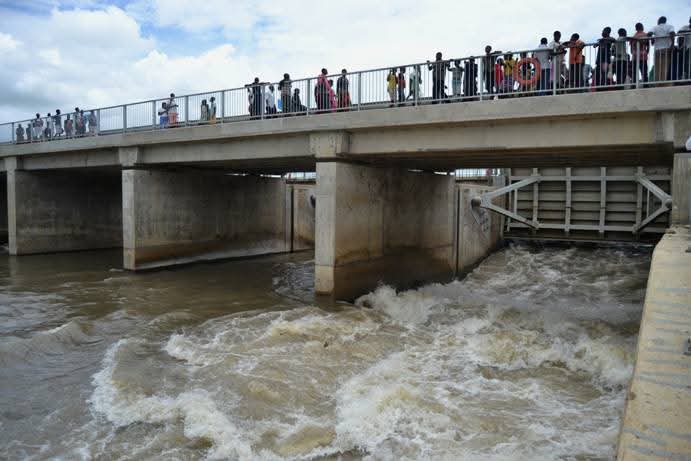
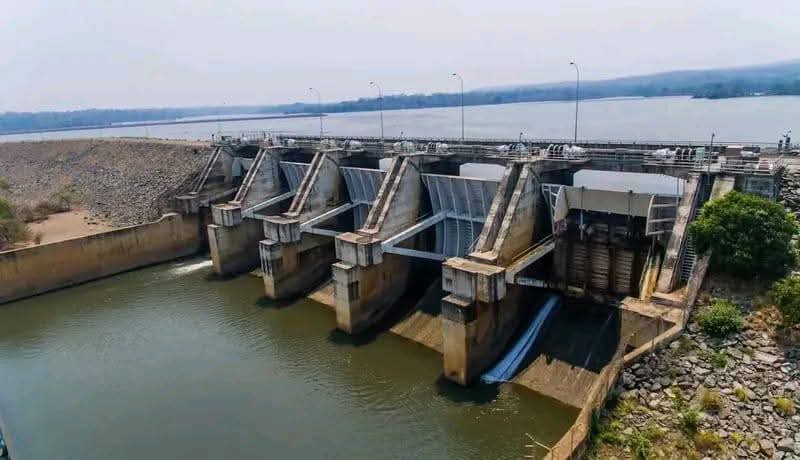
Lakeshore lodge owners from Mangochi and Salima have taken the National Water Resources Authority (NWRA) and Electricity Generation Company (Egenco) to court, accusing the two institutions of negligence in the management of the Kamuzu Barrage on the Shire River at Liwonde—an action they say directly led to destructive flooding along the shores of Lake Malawi.
The lodge owners allege that NWRA and Egenco failed to fully open the barrage floodgates at a critical time, causing Lake Malawi’s water levels to rise to dangerous levels. According to the claimants, the swelling lake submerged buildings and damaged property, particularly in low-lying lakeshore areas of Mangochi and Salima, resulting in significant financial losses.
Confirming the legal action, NWRA spokesperson Masozi Kasambala acknowledged that the authority has indeed been dragged to court over the matter.
However, Kasambala strongly disputed the accusation that the flooding was solely caused by the management of the Kamuzu Barrage. he said the rising water levels in Lake Malawi were the result of multiple hydrological factors beyond the control of the barrage operators.
“The lake received massive inflows from rivers coming from Tanzania as well as from the Central and Northern regions of Malawi,” Kasambala explained. “It is misleading to attribute the rise in water levels to the operation of the Kamuzu Barrage alone.”
Kasambala further warned that a full opening of the barrage gates would have had far-reaching and potentially catastrophic consequences downstream. He said such a move would have severely disrupted electricity generation at Malawi’s major hydropower stations—Nkula, Tedzani and Kapichira—posing a serious threat to the national power supply.
More critically, he added, uncontrolled releases of water could have triggered massive flooding in the Lower Shire Valley, putting lives and livelihoods at risk in flood-prone districts such as Chikwawa and Nsanje.
“The decision-making process at the barrage involves balancing competing national interests—lake levels, power generation, and flood risk downstream,” Kasambala said. “Opening the barrage fully is not a simple or risk-free option.”
The court case sets the stage for a high-stakes legal battle that could redefine accountability in Malawi’s water and energy governance. At its core, the dispute raises difficult questions about who bears responsibility when national infrastructure decisions aimed at protecting one region or sector result in losses elsewhere.
As the matter moves before the courts, lodge owners are expected to push for compensation for damaged property, while NWRA and Egenco are likely to argue that their actions were guided by broader national safety and economic considerations.