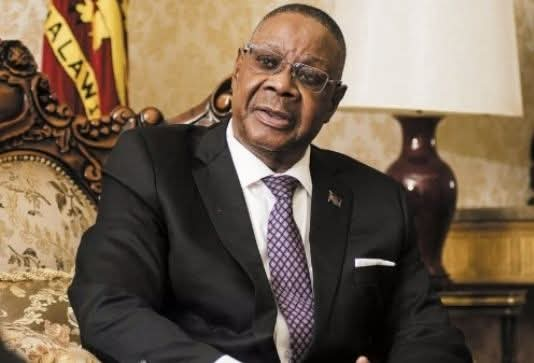
President Peter Mutharika has moved to rein in what insiders describe as “runaway” government spending, imposing tough restrictions on local travel by ministers and deputy ministers amid growing concern over ballooning expenditure on allowances and fuel.
In a directive dated 11 February 2026, Chief Secretary to the Office of the President and Cabinet, Justin Saidi, communicated the President’s dissatisfaction with the escalating frequency of domestic trips by cabinet members — a trend that has reportedly placed significant pressure on already strained public finances.
The memo makes it clear: from now on, ministers and their deputies are limited to one local trip per month. Any additional travel deemed necessary must first receive direct approval from the President.
Presidential spokesperson Focus Maganga has confirmed the development, underscoring that the measure forms part of broader austerity efforts aimed at tightening government expenditure.
A Government Under Financial Strain
The directive comes at a time when Malawi continues to grapple with fiscal constraints, high public debt, and pressure to prioritise essential services. Treasury officials have repeatedly warned about unsustainable spending patterns within government ministries — with travel allowances and fuel consumption frequently cited as major cost drivers.
Local travel, often accompanied by sizable per diems, has long been a sensitive issue. Critics argue that excessive internal trips, workshops, and official visits have become a quiet drain on public resources, sometimes delivering little measurable impact.
By restricting travel to a single monthly trip, the President appears to be signalling a shift from routine mobility to disciplined, results-oriented engagement.
Political Optics or Fiscal Discipline?
While the move may be welcomed by taxpayers frustrated by perceived government extravagance, it also raises questions about enforcement and accountability.
Will exemptions become the norm? Will the President’s office strictly scrutinise additional travel requests? And crucially, will similar controls be extended to other senior officials across government agencies and parastatals?
Without consistent oversight, critics warn, the directive risks becoming another circular filed away without meaningful implementation.
Austerity Must Be System-Wide
If the administration is serious about cutting costs, analysts argue that austerity cannot stop at ministerial travel. Procurement inefficiencies, vehicle fleet management, fuel monitoring systems, and workshop culture all require urgent reform.
Limiting trips is a start — but systemic expenditure controls are what will ultimately determine whether public finances stabilise.
For now, however, the message from State House is unmistakable: the era of unchecked domestic travel is under review.
Whether this marks genuine fiscal reform or a temporary tightening of the belt remains to be seen.