
 Suleman Chitera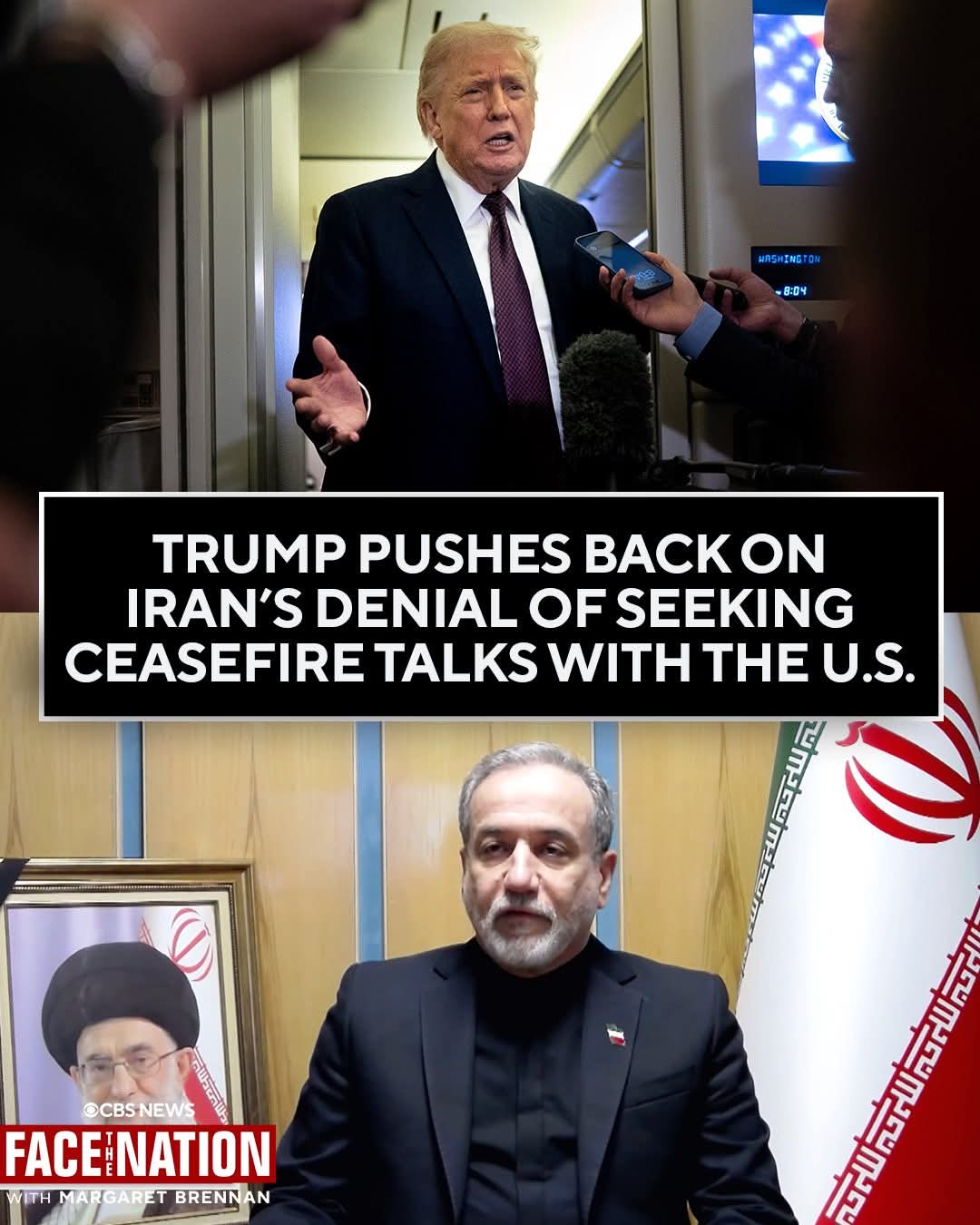
By Suleman Chitera
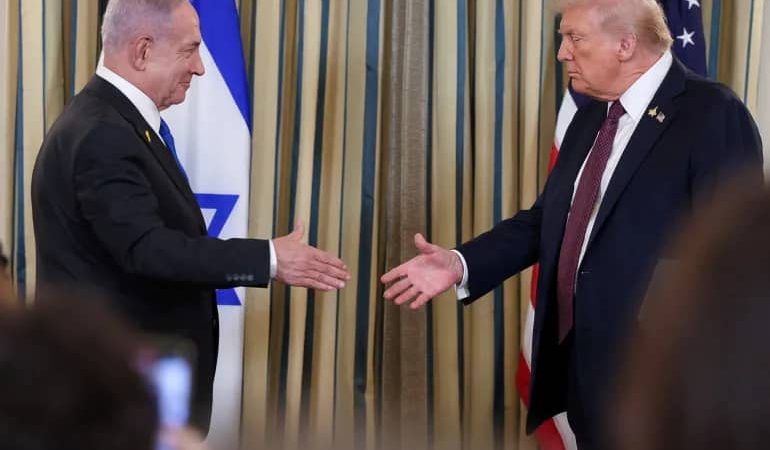
A sharp war of words has erupted between the United States and Iran, exposing deep divisions and raising fresh doubts over the prospects for diplomacy amid ongoing tensions.
Iran’s Foreign Minister, Abbas Araghchi, категорically dismissed claims that Tehran is seeking negotiations with Washington, insisting that no request for talks or a ceasefire has been made.
Speaking during an interview on CBS’ Face the Nation on Sunday, Araghchi pushed back against assertions by U.S. President Donald Trump that Iran is looking for a deal to end the conflict.
“We never asked for a ceasefire, and we have never asked even for negotiation,” Araghchi said, signaling a hardline stance from Tehran.
But Trump responded with equal force.
While speaking to reporters aboard Air Force One, the U.S. leader dismissed Iran’s position as misleading, accusing Tehran of spreading false narratives.
“Iran is known for a lot of fake news,” Trump said.
He went further on Monday, reiterating that communication between the two countries is ongoing—directly contradicting Iran’s public denial and hinting at possible behind-the-scenes contacts.
The conflicting statements highlight a familiar pattern in U.S.-Iran relations, where public hostility often masks complex and sometimes undisclosed diplomatic maneuvering. Analysts say such contradictions may indicate either strategic posturing or the existence of informal channels both sides are unwilling to acknowledge openly.
The latest exchange comes at a time of heightened geopolitical strain, with fears growing that miscommunication or miscalculation could trigger a broader escalation. Despite the rhetoric, the suggestion of continued contact—if accurate—could signal that neither side has completely shut the door on diplomacy.
For now, however, the gulf between Washington and Tehran remains stark, defined by mutual distrust, competing narratives, and an increasingly volatile political atmosphere.
- We fought for change—and the results are speaking
 Share Listen to this article Suleman Chitera, Chiradzulu-based political and social commentator By Staff Reporter Fellow Malawians,Also interestingOpinion»IMF, Currency Devaluation and Poverty: Why Africa Is Asking Tough QuestionsOpinion»From SPC & party SG To SPC & deputy minister: has Malawi learned nothing?Opinion»Malawi at a Crossroads: Is 2030 Time to Break the DPP–MCP Cycle?Opinion»Malawi cannot afford another…
 - IMF, Currency Devaluation and Poverty: Why Africa Is Asking Tough Questions
 Share Listen to this article By MFN News Desk TeamPublished: October 8, 2026 The debate over the role of the International Monetary Fund (IMF) in Africa has intensified as countries across the continent continue to grapple with high inflation, foreign-exchange shortages, debt pressures and rising living costs. At the centre of the debate is currency…
 - IMF Concludes Malawi ECF Talks, Says Major Economic Reforms Are Advancing
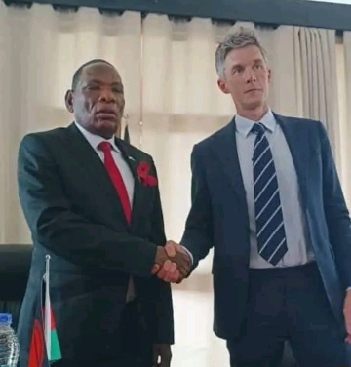 Share Listen to this article By MFN News Desk TeamPublished: 8 October 2026 at 7:55 AM (CAT)Lilongwe, Malawi The International Monetary Fund (IMF) has concluded its latest discussions with the Malawi Government on a potential programme under the Extended Credit Facility (ECF), with the Fund saying considerable progress has been made towards developing a comprehensive…
 - US Military Aid to Israel Continues Despite Three Years of Gaza War
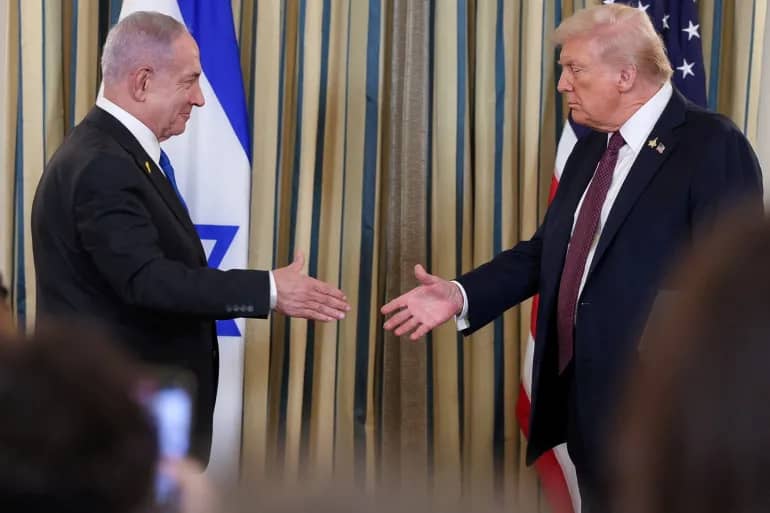 Share Listen to this article Washington maintains billions in military funding and arms transfers as opposition to unconditional support grows inside the United States By Burnett Munthali Three years after the war in Gaza began, the United States continues to provide Israel with extensive military assistance, including billions of dollars in funding, weapons and diplomatic…
 - NBM plc rallies support for Scorchers’ Olympic qualifier
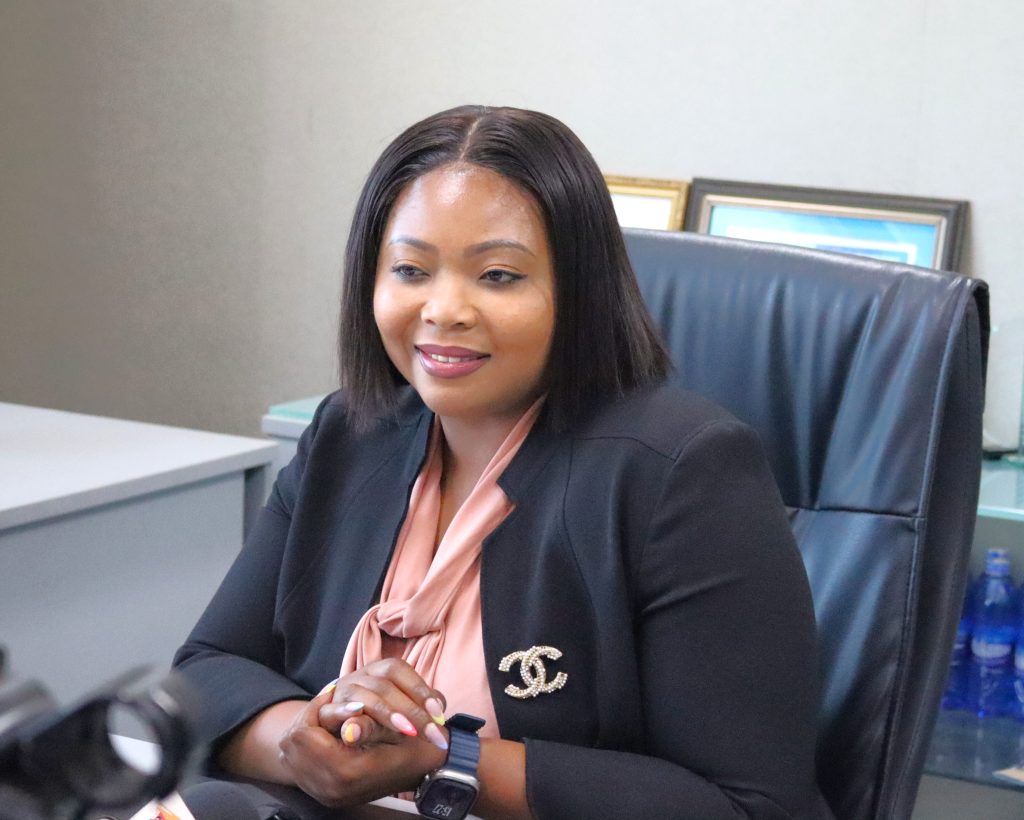 Share Listen to this article By Suleman Chitera National Bank of Malawi (NBM) plcsays it is proud and ready to support the Malawi National Women Football team as they take on Zimbabwe this Friday in the Olympic qualifiers at Bingu National Stadium (BNS). The match will be the Scorchers’ first since NBM plc increased its…
 - NBM plc injects K60 million into Blantyre Sports Club projects
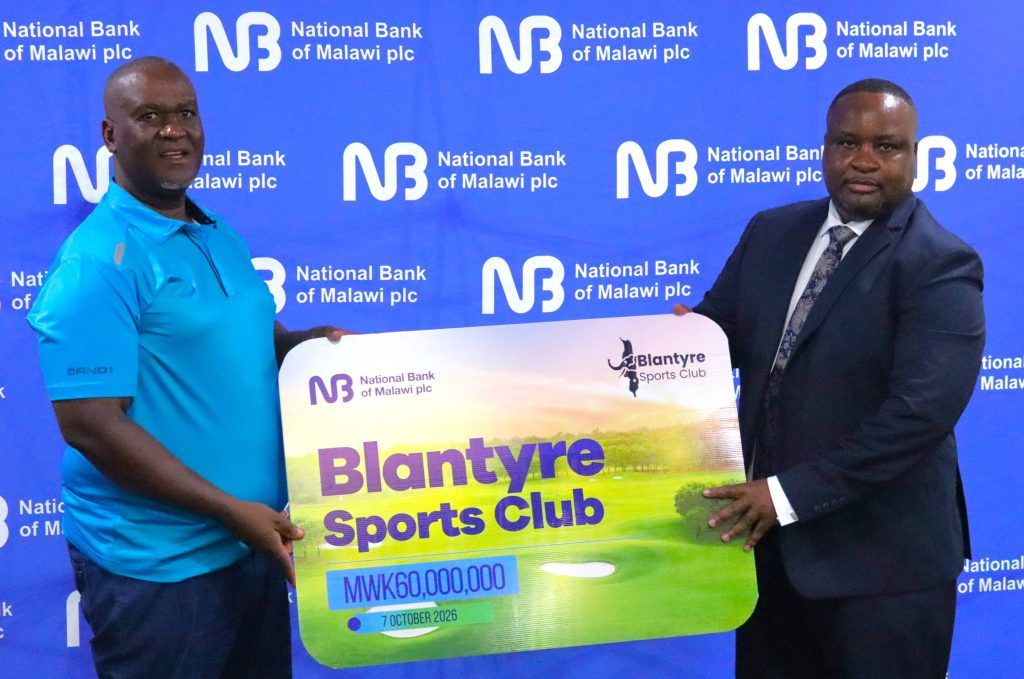 Share Listen to this article By Suleman Chitera National Bank of Malawi (NBM) plc has unveiled a K60 million-support to Blantyre Sports Club (BSC) for the construction projects, including a security fence at the club. The support strengthens NBM plc’s 16-year partnership with the sports facility.Also interestingSports»NBM plc rallies support for Scorchers’ Olympic qualifierSports»Rhodrick Junaid…
 - Wicknell Chivayo, Wife Lulu to Be Buried Without Body Viewing After Helicopter Crash
 Share Listen to this article By MFN News Desk TeamPublished: October 7, 2026 Zimbabwean businessman Wicknell Chivayo and his wife, Lucy “Lulu” Muteke, will be buried together on Thursday, October 8, 2026, at Glen Forest Cemetery in Harare following their deaths in a helicopter crash. The families have confirmed that there will be no public…
 - NBM plc supports FMDA conference with K5 million
 Share Listen to this article By Suleman Chitera National Bank of Malawi (NBM) plc has supported the Financial Market Dealers Association (FMDA) with K5 million towards its 2026 Annual Lakeshore Conference, which aims to bring together financial market players to discuss challenges affecting the sector. The conference will be held from October 15 to 17…
 - Chiradzulu-Based Activist Suleman Chitera Calls on Mutharika to Recognise Loyal Activists and Journalists Ahead of Elections
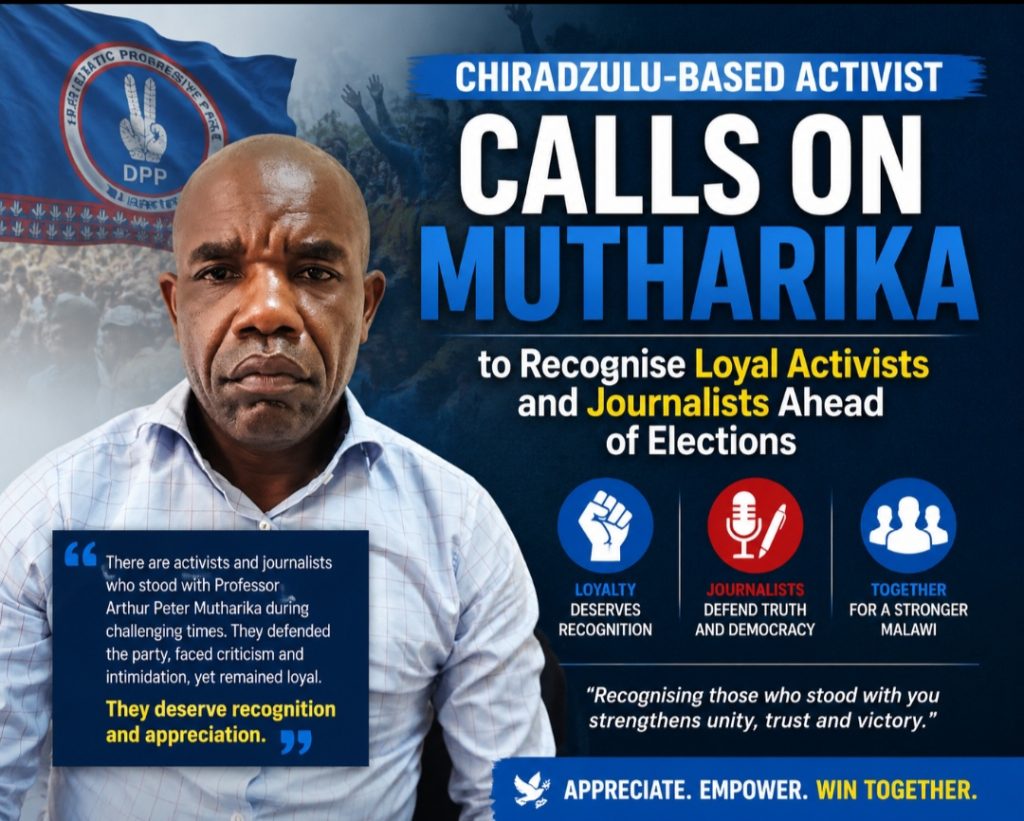 Share Listen to this article By Suleman Chitera A Chiradzulu-based activist, political and social commentator, Suleman Chitera, has urged Malawian President Arthur Peter Mutharika to recognise and appreciate activists, journalists, and grassroots defenders who stood firmly behind him and the Democratic Progressive Party (DPP) during difficult political times and election campaigns. Speaking during a political…
 - Rhodrick Junaid Kalumpha Congratulates Domasi Police After Trophy Win
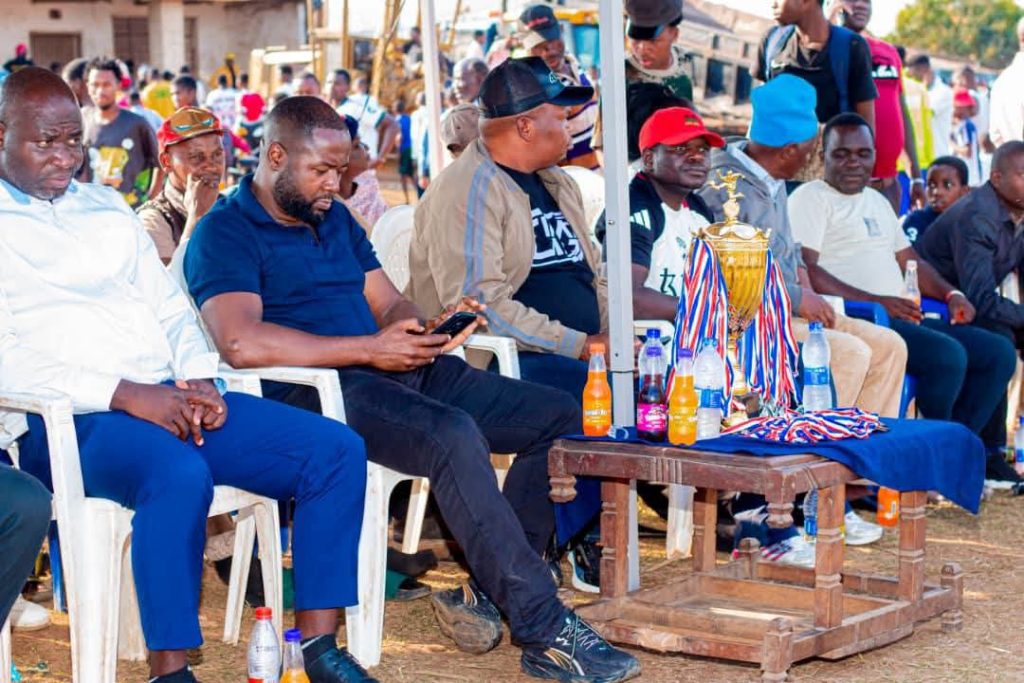 Share Listen to this article By Suleman Chitera, MFN ReporterOctober 4, 2026 | Songani, Domasi, Zomba Rhodrick Junaid Kalumpha has congratulated Domasi Police for winning a trophy at a sporting event held in the Songani-Domasi area of Zomba. Kalumpha, who described himself as a son of the community, thanked local residents for their support and…
 - Kalumpha Thanks UNIMA Students for Social Weekend Invitation
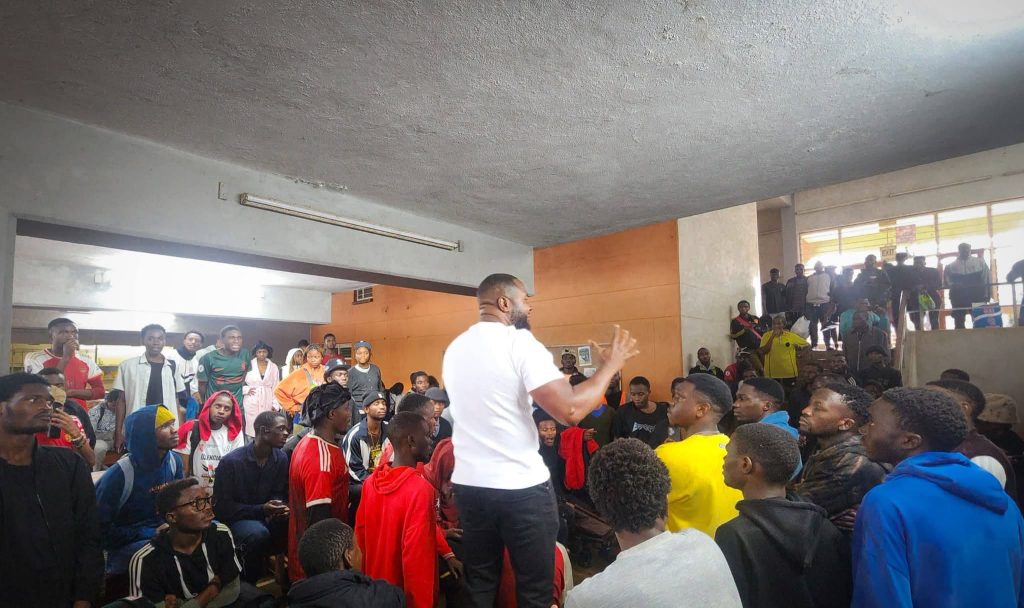 Share Listen to this article By Suleman Chitera, MFN ReporterOctober 7, 2026 | 5:00 AM Rhodrick Junaid Kalimpha has thanked the University of Malawi (UNIMA) community for inviting him to its Social Weekend, praising the organisers and attendees for turning up despite heavy rain. Kalumpha said the poor weather did not stop students and guests…
 - Malawi Calls for Stronger SADC Financial Regulation as Cross-Border Risks Grow
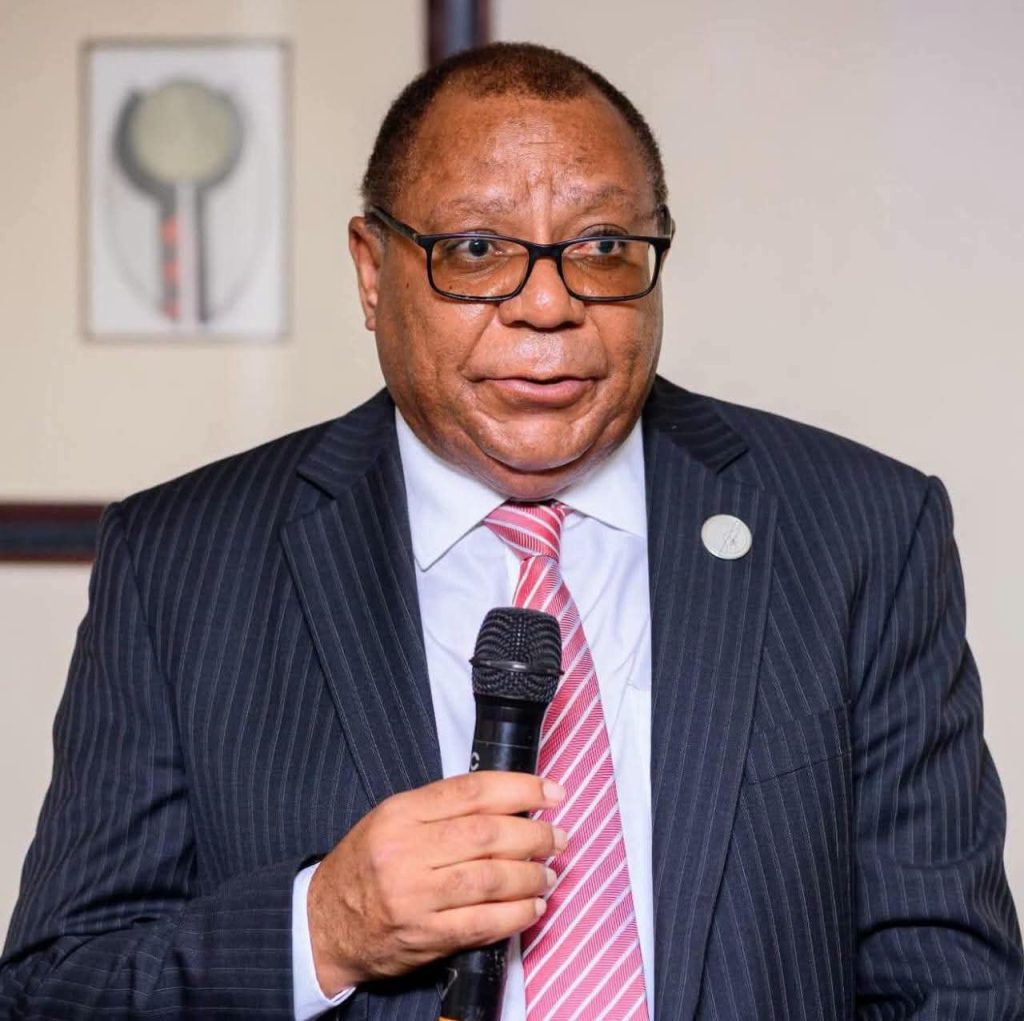 Share Listen to this article By Suleman Chitera, MFN Reporter LILONGWE, Malawi — Reserve Bank of Malawi Governor Dr George Partridge has called for stronger cooperation among financial regulators in the Southern African Development Community (SADC) region, warning that the increasingly cross-border nature of financial services requires regulators to work more closely to manage emerging…
 - EthCo launches peer counselling programme for employees
 Share Listen to this article By Suleman Chitera Ethanol Company Limited (EthCo) has launched a psychosocial Peer Counselling Programme to provide employees with accessible first-line support for personal and workplace-related mental health challenges and well-being. Under the programme, EthCo has trained six of its employees, who have been certified by St John of God Hospitaller…
 - Church-Government Partnership Vital to Malawi’s Development, Says Minister
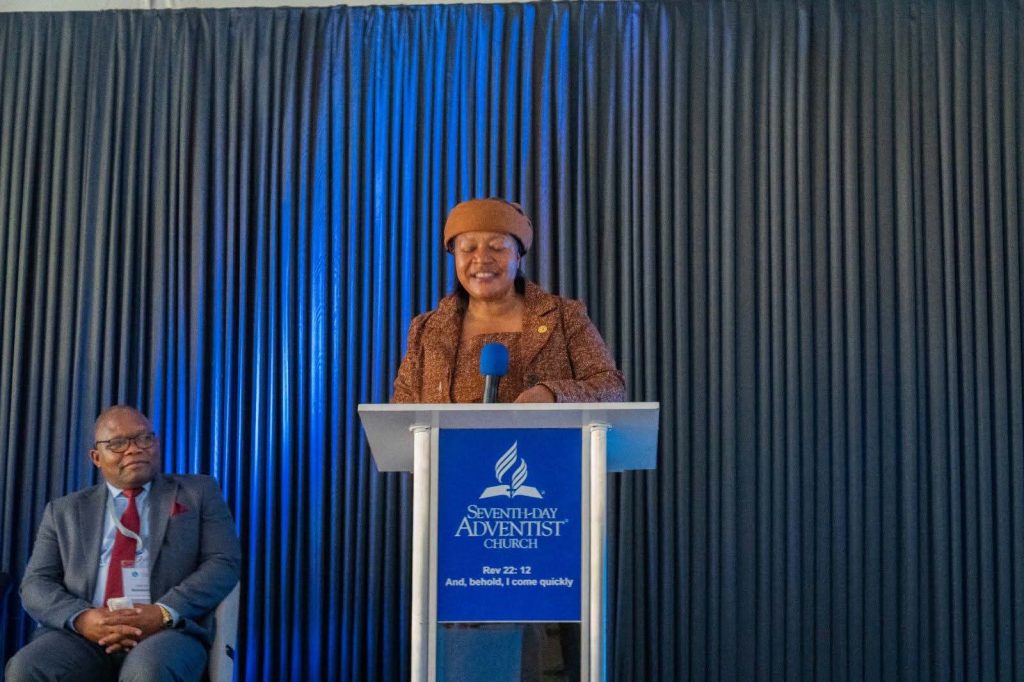 Share Listen to this article By Suleman Chitera, MFN ReporterLilongwe | October 6, 2026 Energy Minister Jean Mathanga has stressed the importance of a strong relationship between the church and government, saying cooperation between the two institutions can contribute significantly to Malawi’s national development. Mathanga made the remarks on Monday when she officially opened a…
 - Tinubu Declares Three Days of National Mourning After Deadly Nigerian Air Force Crash
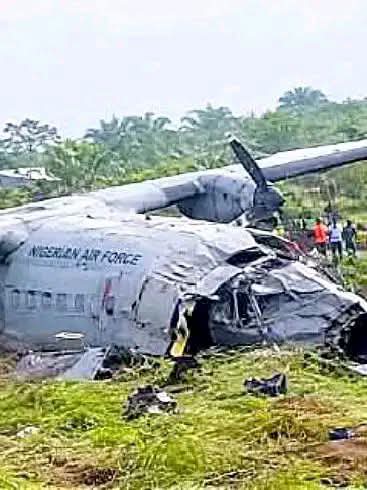 Share Listen to this article By MFN News Desk Team ABUJA, Nigeria — Nigerian President Bola Ahmed Tinubu has declared three days of national mourning following the death of Nigerian Air Force personnel in a military aircraft crash in Ondo State. The President has also directed that national flags be flown at half-mast across Nigeria…