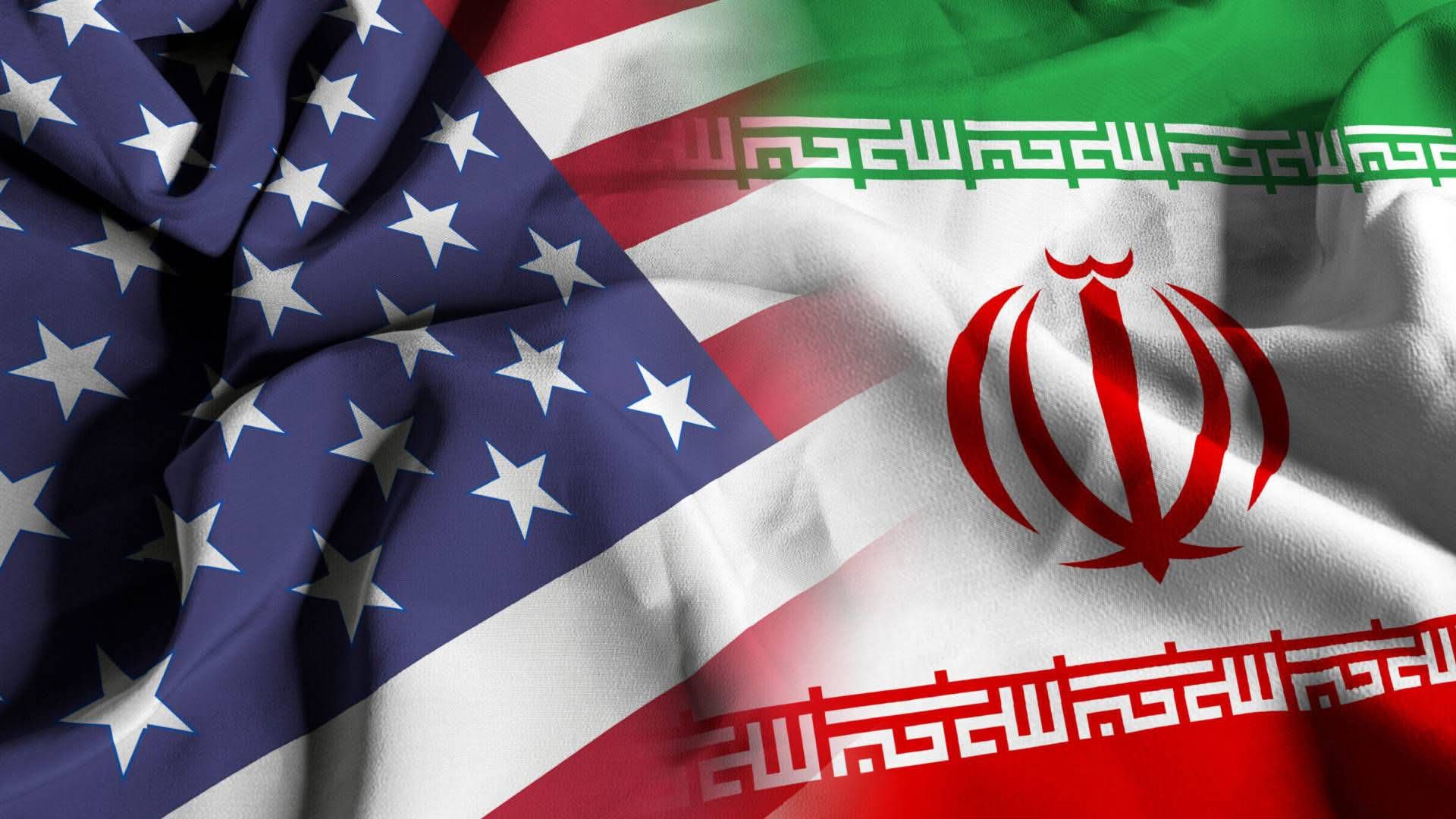
Tensions between the United States and Iran have escalated after US President rejected key proposals put forward by Iran as part of a possible peace agreement between the two nations.
Trump, speaking through his social media platform Truth Social, described Iran’s demands as “unacceptable” and insisted that America would not bow to pressure from Tehran.
The sharp response from Trump has once again increased fears of prolonged instability in the Middle East, with global oil markets already reacting to the developments.
Iran Demands Compensation and Removal of Sanctions
According to Iranian officials, the proposals were aimed at creating a pathway toward peace and reducing tensions that have intensified since fighting reportedly erupted on February 28 this year.
Among the major conditions presented by Iran are demands that the United States should compensate the country for damages caused during the conflict. Iran is also demanding the complete removal of economic sanctions that have heavily affected its economy for years.
Iranian leaders argue that the sanctions have crippled businesses, weakened the national currency, and worsened the lives of ordinary citizens.
The Iranian government further accused Trump of pursuing selfish political interests instead of genuine peace efforts.
“We will not allow America to force unfair conditions on Iran,” an Iranian official reportedly stated.
Oil Prices Rise as Markets React
Following Trump’s rejection of the peace proposals, international oil prices immediately began rising again as investors worried about the possibility of further conflict in the oil-rich Middle East region.
Analysts say any instability involving Iran and the United States often affects global energy markets because the Middle East remains one of the world’s largest suppliers of crude oil.
Experts warn that continued tensions could lead to higher fuel prices worldwide, affecting transportation costs, food prices, and inflation in many countries.
Growing Fears of Wider Conflict
Political observers say the collapse of peace negotiations could increase the risk of military escalation between the two longtime rivals.
Relations between Washington and Tehran have remained hostile for decades, mainly due to disputes involving nuclear weapons, economic sanctions, and regional influence in the Middle East..
The latest disagreement now threatens to further damage diplomatic efforts that many international leaders hoped would help restore stability in the region.
As global attention remains fixed on the situation, many countries are calling for calm dialogue to prevent another major international crisis.